
A flat with independent signs
Keep the room account separate so it can be considered on its own evidence.
PEST CONTROL / BETHNAL GREEN
Shared stairwells and private rooms.
Start with a clear account.
A sighting on the stairs can concern several residents without establishing an infestation in every home. Record the exact location and explain whether there are independent findings inside your own rooms.
05 / PROPERTY BRIEF
Keep the room account separate so it can be considered on its own evidence.
Be explicit that the observation was outside; concern is not the same as an observed indoor infestation.
Provide a clear location and the shared-space contact responsible for arrangements.
Mention its position without assuming it is available for inspection or the source.
Disclose the actual occupants and pets relevant to any proposed method inside the home.
Discuss your homeClarify suitability separately; residential service information does not establish commercial work.
Check the premises requirements01 / START WITH THE EVIDENCE
Describe the observation where it occurred, rather than selecting a treatment for every home reached by the stairs.
Movement noticed along a stair or landing edge.
Mice controlAn animal reported near the shared entrance.
Rats controlPhysical signs inside a private sleeping room.
Bed bug treatmentInsects noticed repeatedly at a fixed shared position.
Cockroaches controlState where visibility began and ended. A brief glimpse may leave identification uncertain.
Keep the direct observer’s description intact, especially if the report was relayed through several residents.
A stair observation does not establish the cause of marks or irritation in a bedroom. Assess physical findings separately.
Give dated occurrences and any independent kitchen signs, rather than assuming a connection between floors.
07 / SCOPE BEFORE A QUOTE
A Bethnal Green proposal must state the areas being considered rather than imply all homes on the route are included.
from £120
See published service pricingfrom £150
See published service pricing| Service | Pricing basis | Price |
|---|---|---|
| Mice control | Activity, access and programme | Quote after assessment |
| Rat control | Internal / external routes and visits | Quote after assessment |
| Proofing / repairs | Surveyed openings and separate work | Quoted separately |
Confirm authority, service and inclusions directly. Published guides checked 27 August 2026; wider assessment and separate building work are not assumed within a private price.
BETHNAL GREEN / PROPERTY CONTEXT
“On the stairs” may refer to an entrance flight, intermediate landing or another level. A clear position prevents different residents from talking about different places as if they were one.
Confirm the address and suitable service with Alesta. A residential enquiry does not itself authorise work on common stairs or establish appointment availability.
Keep each dwelling’s findings independent from the shared account. Where no signs have been seen indoors, say that instead of extending the stair concern into the home.
Identify the person responsible for shared-space arrangements before wider assessment is considered. Passing through the stairs is not the same as commissioning work there.
08 / THE CONTROL PLAN
A useful enquiry neither dismisses the sighting nor turns it into an unsupported diagnosis of the whole building.
The account retains level, position and direct observer so it remains understandable.
The relevant parties consider what can appropriately be assessed under the proposed arrangement.
Fresh information should remain identifiable by date and location rather than merging into an undated building rumour.
09 / FROM FIRST CONTACT
These steps concern evidence and responsibility, not a promised species diagnosis or one-visit result.

Capture the position and what was actually visible while the memory is clear.
Raise the common location with the person responsible rather than arranging restricted access informally.
Keep each flat’s observations attributable, including where no indoor signs have been seen.
Ask whether the request concerns a dwelling or separately authorised common space.
Preparation and use of relevant areas must follow the actual agreed approach.
Date new observations independently and avoid counting forwarded copies of the original report as recurrence.
06 / SIGNS → LOCATION → NEXT STEP
| Pest problem | Signs to describe | Areas to mention | Next step |
|---|---|---|---|
| Mice | Small-animal movement on a stair edge | Exact flight and last visible position | Ask about identification without inventing a destination |
| Rats | An animal reported by another resident | Original observer and entrance location | Preserve uncertainty in the relayed description |
| Bed bugs | Physical findings near a private bed | Named dwelling and resting area | Consider independently of stair traffic |
| Cockroaches | Repeated insects at a shared position | Landing reference and separate dates | Discuss suitable authorised assessment |
03 / OBSERVATION CHECKLIST
The record should be specific enough to follow without creating certainty about an unseen origin.
Do not chase an animal into another dwelling or restricted space to complete the report.
Name the level or entrance position rather than the building alone.
Use a door or feature only as a location marker, not a claim about responsibility.
State whether you witnessed the event or received someone else’s account.
Describe only the part that remained visible; disappearance around a turn does not establish the next destination.
Keep a later event dated independently so message repetition does not inflate frequency.
Record any indoor signs under their actual room and dwelling, not under the stair location.
04 / AT A GLANCE
10 / PROBLEM → TREATMENT → CONTROL
Review remains tied to the findings and spaces actually considered. A brief absence of sightings is not a building-wide clearance conclusion.
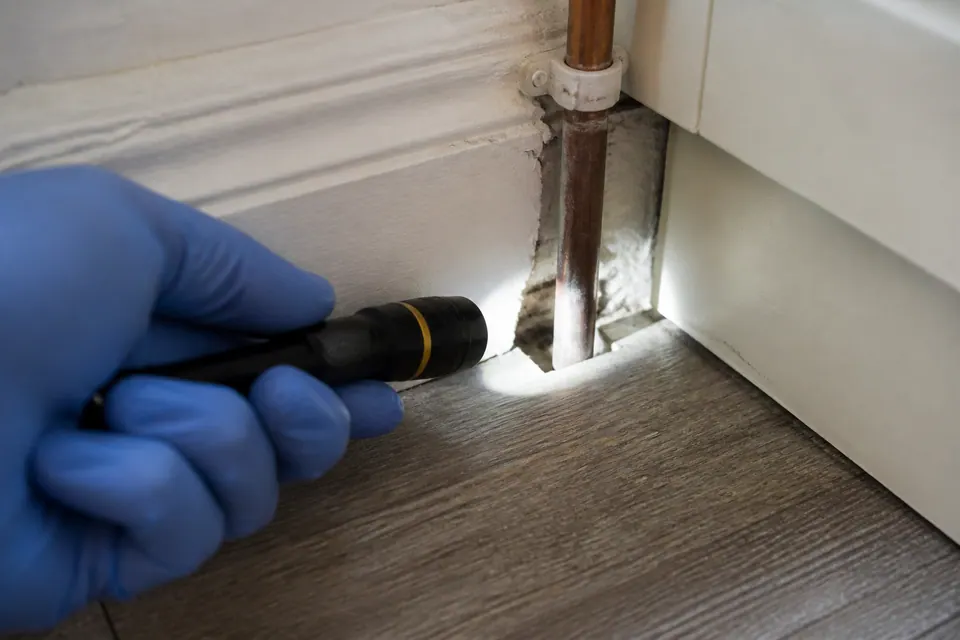
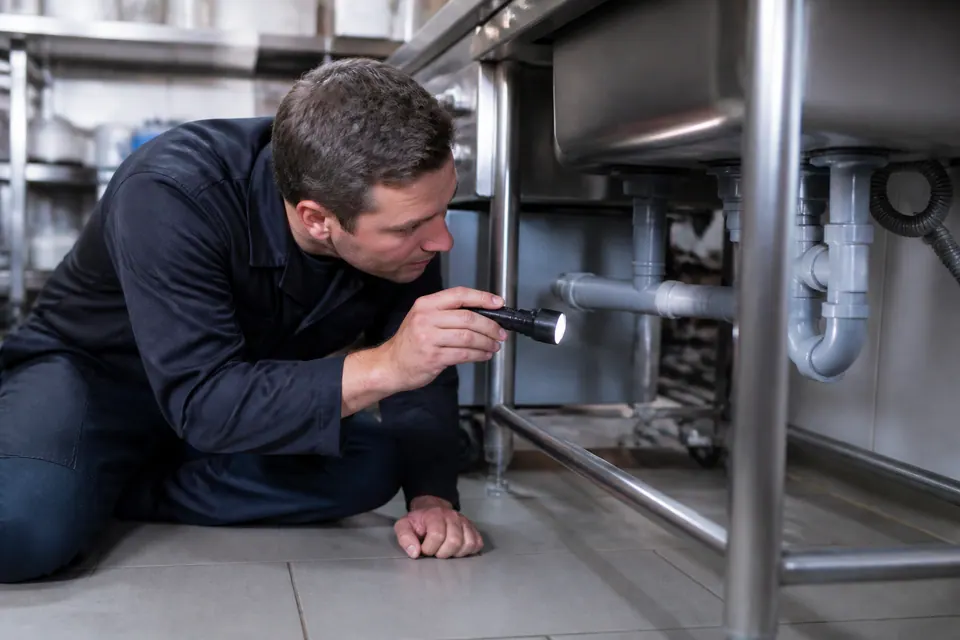
Illustrations are not Bethnal Green stair records or evidence of a customer outcome.
MAKE THE ENQUIRY SPECIFIC
Keep the observed location specific instead of extending the finding to unexamined levels.
Use the door as a landmark without claiming what happened beyond it.
Identify independent observations before describing recurrence.
Identify the responsible contact and permission rather than assuming the enquiry includes it.
ADDRESS AND AVAILABILITY
Check the postcode and requested service, then identify the specific flight or landing.
The area map cannot establish permission or locate a finding within a shared building.
Open Bethnal Green in Google Maps ↗13 / CLEAR EXPECTATIONS
The position is precise enough to distinguish one shared place from another.
Direct and relayed information remain separate after the report is forwarded.
The proposal does not imply authority over every dwelling served by the stairs.
BETHNAL GREEN / QUESTIONS
Give the level and a fixed reference so it cannot be confused with another flight.
Use it only as a landmark, not an unsupported statement of origin.
Try to preserve the original observer, position and date rather than making a second-hand account certain.
No. The observation should not be expanded into conclusions about unexamined areas.
Yes, while stating that the concern arose outside the dwelling.
Identify the responsible party and clarify the proposed arrangement rather than assuming private authority.
Its relevance, access and permission need separate discussion; proximity does not settle them.
Yes. Check dates and details before calling the messages independent incidents.
Do not assume it. The proposed areas must be explicit.
Give each its own position and date, distinct from forwarded copies of the earlier account.
15 / TAKE THE NEXT STEP
Start with the original observation and exact landing, then separate any private-room evidence before discussing the appropriate next step.
