
Original finding
Name the actual sign and its position before the surface changed.
PEST CONTROL / THORNTON HEATH
Recurring kitchen evidence after cleaning.
Start with a clear account.
Cleaning may change what is visible without establishing whether activity has stopped. Explain what was found before and after, including any products used and the exact location of repeat signs.
THORNTON HEATH / PROPERTY CONTEXT
After a cupboard is cleaned, its appearance may differ even when the history remains uncertain. Record what was removed or changed and what was genuinely observed afterwards.
Check the Thornton Heath postcode and requested service directly. Cleaning followed by another finding does not guarantee immediate attendance or establish the species.
Use the same cupboard or fitting reference when comparing observations. A different position should be recorded as different rather than described vaguely as the same problem.
Disclose cleaning products and any pest products applied, with timing where known. The proposed assessment needs the intervention history rather than an assumed untouched area.
03 / OBSERVATION CHECKLIST
The record should separate an action from the evidence before and after it.
Do not disturb suspected contamination to create a clearer comparison or apply extra products as a test.
Name the actual sign and its position before the surface changed.
Give the timing as accurately as known, keeping estimates qualified.
State whether one cupboard or a wider room was involved rather than assuming every surface was treated alike.
Include known names or details without guessing products used by someone else.
Describe what was newly seen, with its own date.
Record a new location independently rather than merging it into the original finding.
06 / SIGNS → LOCATION → NEXT STEP
| Pest problem | Signs to describe | Areas to mention | Next step |
|---|---|---|---|
| Mice | Newly noticed material damage | The same named cupboard or a separately noted new position | Distinguish fresh evidence from unchanged old marks |
| Rats | Sound heard after cleaning | Listening place and event date | Keep species uncertain without physical identification |
| Bed bugs | Physical bedroom signs | Independent resting-area location | Assess separately from the kitchen cleaning history |
| Cockroaches | Insects seen after the cleaning date | Exact fitting and repeat occurrence dates | Provide products used and what actually changed |
08 / THE CONTROL PLAN
The enquiry should not treat ordinary cleaning as proof that activity stopped or as a complete explanation of its return.
State the surfaces altered and relevant products without assuming a pest-control effect.
Fresh signs and the actual history inform the appropriate proposal.
Keep subsequent dates and positions clear so review can distinguish new activity from old residual marks.
09 / FROM FIRST CONTACT
These are recording steps, not instructions to perform repeated cleaning or a promised treatment timetable.

Name the cupboard, fitting or material originally involved.
State its extent and date instead of a broad claim that everything was cleared.
Include relevant actions by other residents without guessing missing details.
Give fresh findings their own dates and positions, separate from unchanged marks.
Do not add a further product or preparation step simply to make the room seem ready.
Use the same location references and disclose any later changes to the area.
01 / START WITH THE EVIDENCE
Cleaning changes visibility. The enquiry needs actual later observations rather than a general impression that the concern returned.
Freshly noticed material damage in a named cupboard.
Mice controlMovement heard without a corresponding visible finding.
Rats controlPhysical evidence near a sleeping place outside the kitchen account.
Bed bug treatmentRepeated insects at the same or another fitting.
Cockroaches controlDistinguish new damage from an old mark that remained visible after cleaning.
Record the listening position and time; cleanliness does not identify the animal.
Keep resting-area evidence separate rather than linking unrelated findings through the cleaning event.
Give dates and positions after cleaning, including the products already used.
07 / SCOPE BEFORE A QUOTE
A Thornton Heath proposal needs the current evidence and earlier interventions. A tidy kitchen or repeat clean does not define the pest work.
from £120
See published service pricingfrom £150
See published service pricing| Service | Pricing basis | Price |
|---|---|---|
| Mice control | Activity, access and programme | Quote after assessment |
| Rat control | Internal / external routes and visits | Quote after assessment |
| Proofing / repairs | Surveyed openings and separate work | Quoted separately |
Confirm the actual service and inclusions directly. Guides checked 27 August 2026; separate cleaning and repairs are not automatically included.
05 / PROPERTY BRIEF
Keep the affected compartment distinct from surfaces that were not changed.
Explain moved items and new access restrictions as well as cleaning.
Ask for the relevant history instead of guessing what was used.
State the uncertainty; do not invent a product or method.
Check suitability separately rather than applying residential guides to commercial premises.
Check the premises requirements04 / AT A GLANCE
MAKE THE ENQUIRY SPECIFIC
Explain whether it remained unchanged rather than counting it as recurrence.
Give the different location its own entry.
Keep the history uncertain until the person who used it can clarify.
Appearance alone does not establish the result of pest control.
10 / PROBLEM → TREATMENT → CONTROL
Review depends on actual pest evidence and the agreed programme, not whether a cupboard looks tidy immediately after cleaning.
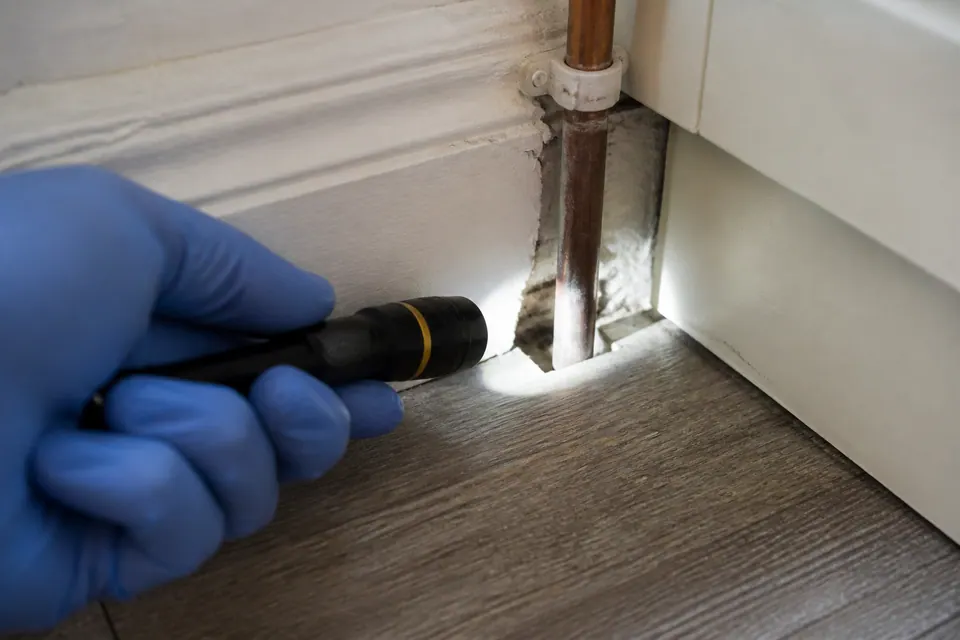

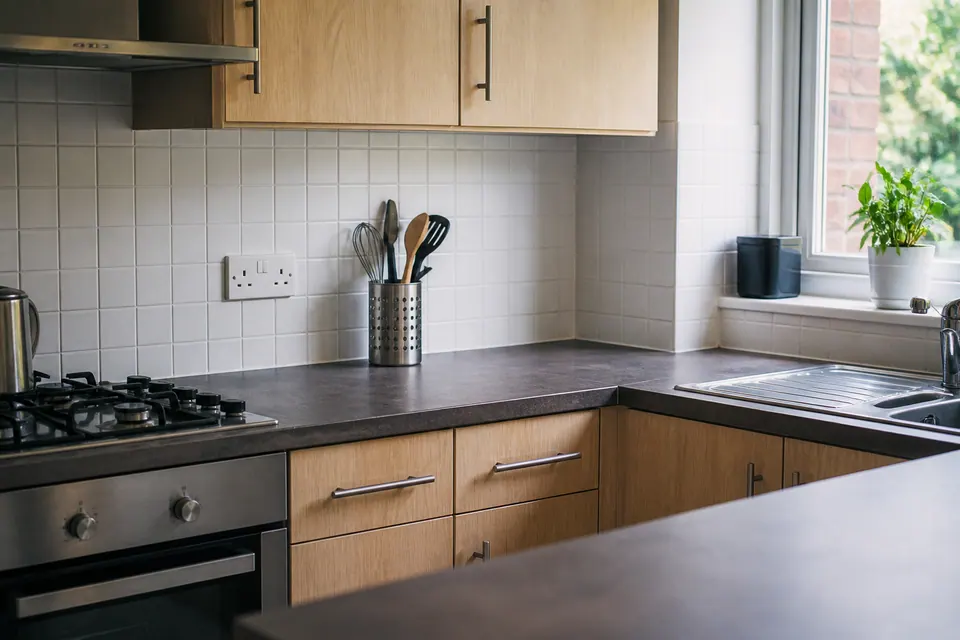
Illustrations are not Thornton Heath before-and-after customer records or proof of treatment success.
ADDRESS AND AVAILABILITY
Check the postcode and service, then explain the cupboard or fitting and its cleaning history.
The map provides area context, not confirmation of a cause or appointment.
Open Thornton Heath in Google Maps ↗13 / CLEAR EXPECTATIONS
The enquiry does not assume a clean surface means the underlying concern ended.
Known actions remain in the account even where someone else carried them out.
Later observations are distinguished from old marks viewed again.
THORNTON HEATH / QUESTIONS
No. Tidiness and the absence of visible material immediately afterwards are not a complete control finding.
Yes, so the account distinguishes changed and unchanged surfaces.
Not automatically; explain whether the mark is genuinely new or simply still visible.
Record its new position separately rather than describing it as the original location.
Disclose relevant known products and timing without guessing unknown details.
Ask for their history and keep uncertainty explicit where information is unavailable.
Wait for appropriate preparation advice rather than repeatedly altering the evidence area.
No. Describe the actual sign and allow identification to remain uncertain where necessary.
Do not assume a separate cleaning service is included; clarify the proposed tasks.
Retain dates and stable fitting references, noting any intervening changes.
15 / TAKE THE NEXT STEP
Bring the original finding, cleaning details and genuinely later observations so the enquiry is based on evidence rather than appearance.
