
Mice
Material damage found in the storage compartment.
Mice controlPEST CONTROL / RAYNES PARK
Pest concerns around stored bedding.
Start with a clear account.
Stored bedding may be part of a report, but moving it through the home before advice can complicate assessment. Explain where it was kept and what physical evidence was actually found.
01 / START WITH THE EVIDENCE
Describe the actual finding rather than selecting a service solely because fabric or bedding is involved.
Material damage found in the storage compartment.
Mice controlMovement perceived near the cupboard or room.
Rats controlVisible spotting or shed material requiring assessment.
Bed bug treatmentAn insect observed beside the storage location.
Cockroaches controlName the item and position, keeping the cause open rather than assuming bed bugs.
Give the listening position and timing without identifying an unseen animal.
Explain physical evidence and storage history. Skin irritation alone cannot establish bed bugs.
Describe the insect or available picture accurately; its presence near bedding is not a confirmed species.
RAYNES PARK / PROPERTY CONTEXT
Stored bedding may have moved between cupboards or bedrooms before a mark was noticed. Describe that history without assuming the point of discovery was the source.
Check the Raynes Park postcode and appropriate service directly. A bedding concern does not confirm a specific treatment or appointment.
Identify the current storage location and any recent transfers. Avoid further unnecessary movement while seeking relevant preparation guidance.
Keep the actual physical sign distinct from irritation or a suspicion based on an item’s history. Assessment needs evidence rather than a presumed diagnosis.
03 / OBSERVATION CHECKLIST
The aim is a traceable account, not an improvised investigation or treatment of the bedding.
Do not scatter or move suspect items through other rooms to obtain more evidence.
Name the cupboard or room rather than a vague reference to stored linen.
Identify the particular item without unpacking everything on assumption.
Describe what was seen rather than assigning a species from irritation alone.
Keep its earlier age uncertain where it was hidden from view.
Record where the item came from if known, without treating that location as proven origin.
Explain where it is now so the proposed assessment reflects the actual layout.
04 / AT A GLANCE
05 / PROPERTY BRIEF
Name the compartment separately from the bed or resting place.
Record the storage room rather than assuming the bedroom contains evidence.
Explain the earlier and present positions without assigning blame or origin.
Keep the observation gap explicit instead of dating the mark by appearance.
Disclose relevant occupants before preparation and method are agreed.
Discuss your homeCheck suitability separately; residential guides do not confirm commercial provision.
Check the premises requirements06 / SIGNS → LOCATION → NEXT STEP
| Pest problem | Signs to describe | Areas to mention | Next step |
|---|---|---|---|
| Mice | Damage to stored material | Actual item and compartment | Discuss the finding without assuming bed bugs |
| Rats | Sound near storage | Listening point and date | Keep the unseen species uncertain |
| Bed bugs | Physical spotting on bedding | Storage history and current position | Seek assessment rather than diagnosing from irritation |
| Cockroaches | An insect beside the items | Exact observation and available picture | Clarify identification before choosing a service |
07 / SCOPE BEFORE A QUOTE
A Raynes Park proposal needs the physical evidence, relevant locations and suitable method, not merely a count of stored bedding items.
from £120
See published service pricingfrom £150
See published service pricing| Service | Pricing basis | Price |
|---|---|---|
| Mice control | Activity, access and programme | Quote after assessment |
| Rat control | Internal / external routes and visits | Quote after assessment |
| Proofing / repairs | Surveyed openings and separate work | Quoted separately |
Confirm scope and inclusions directly. Guides checked 27 August 2026; laundering, disposal and separate work are not automatic pest-service inclusions.
08 / THE CONTROL PLAN
A useful enquiry avoids treating every mark on stored fabric as the same pest problem.
The particular item and visible sign anchor the account.
Storage and transfers provide context without establishing where activity began.
The appropriate proposal determines preparation rather than a household assumption to unpack or move everything.
09 / FROM FIRST CONTACT
These steps organise information rather than prescribe treatment of fabric or guarantee a result.
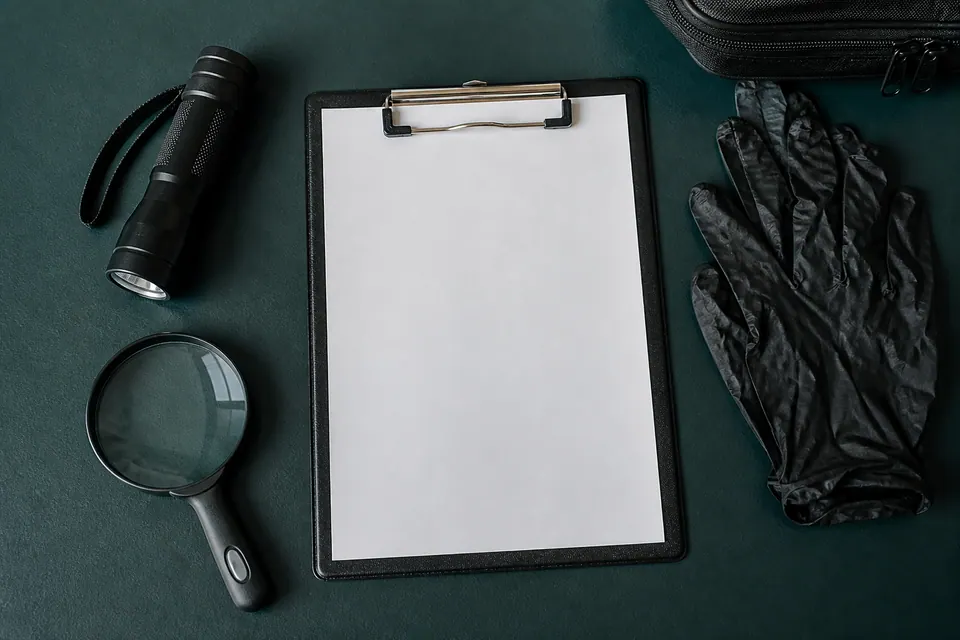
Identify relevant bedding without scattering the contents of storage.
Keep visible evidence distinct from irritation or a guessed species.
Mention known transfers and any period when the item was not observed.
The assessment needs the current location, not only where the item once stood.
Do not substitute relocation, disposal or another product for the supplied preparation.
Date fresh findings independently rather than reusing the same mark as recurrence.
10 / PROBLEM → TREATMENT → CONTROL
Review needs the actual findings and agreed programme, not the appearance of items after household changes.
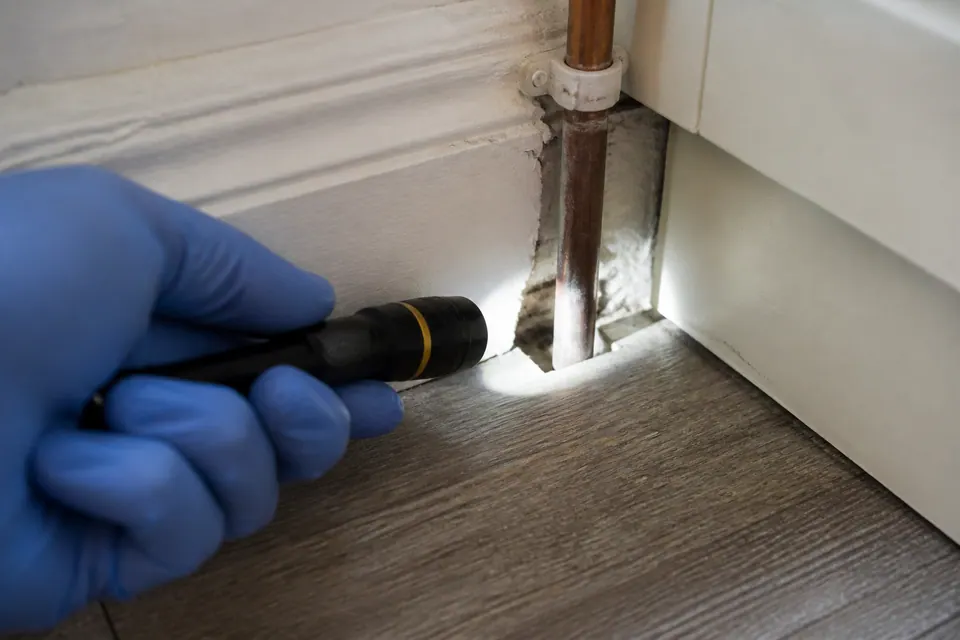
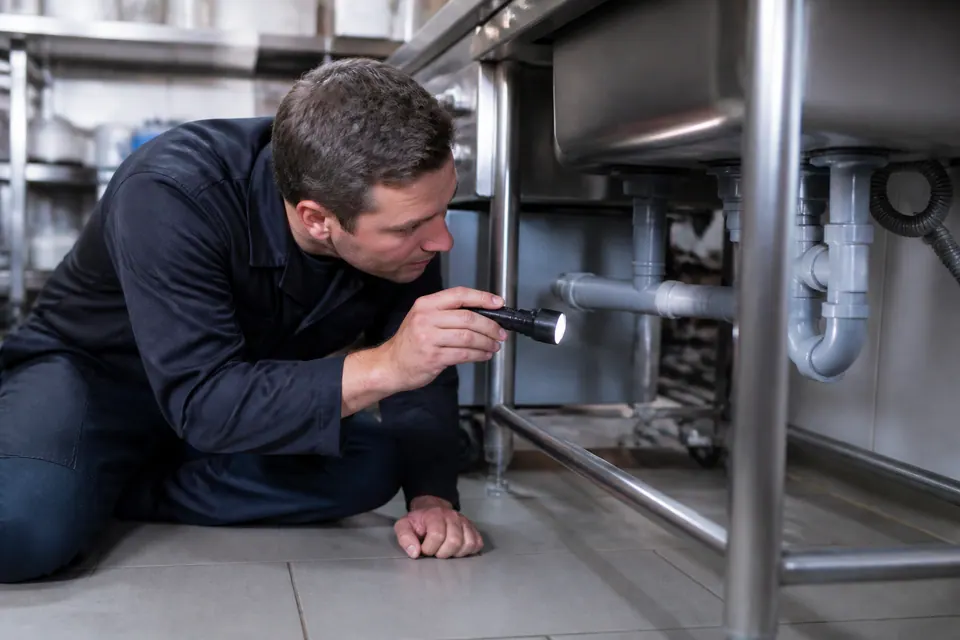
Illustrations are not Raynes Park bedding records or customer treatment results.
MAKE THE ENQUIRY SPECIFIC
Physical assessment is needed; a skin reaction alone does not identify the pest.
Keep discovery location and origin distinct unless evidence supports a connection.
Seek relevant guidance before transferring belongings.
Explain whether it shows a fresh sign or the same unchanged mark.
ADDRESS AND AVAILABILITY
Check the postcode and service, then identify the current location of the relevant items.
The map cannot establish the origin of an item’s finding or confirm a treatment diagnosis.
Open Raynes Park in Google Maps ↗13 / CLEAR EXPECTATIONS
The account distinguishes visible evidence from irritation or suspicion.
Knowing where an item moved does not automatically show where the concern began.
Household actions should follow the selected approach rather than a generic unpacking routine.
RAYNES PARK / QUESTIONS
Not automatically. Describe the physical finding and seek appropriate assessment.
Do not unpack everything as assumed preparation; ask for relevant guidance.
Not by itself. Keep the concern distinct from physical evidence.
Yes, where known, without treating them as proven sources.
No. Discovery and origin are different questions.
Keep the observation gap explicit rather than assigning an age to the mark.
Seek instructions before moving belongings through the home.
Do not assume those separate tasks are included in the proposal.
Include the item, storage position and discovery date.
Give it a separate dated location instead of merging it into the first finding.
15 / TAKE THE NEXT STEP
Bring the physical observation and storage history before moving items again or choosing a treatment by assumption.
