
Rooms released in an apartment
Keep the entrance and room connections on the inspection list.
Hammersmith · Flooring work leaves more than a floor to clean
Flooring work leaves more than a floor to clean.
Check perimeter detail before rugs and furniture cover it.
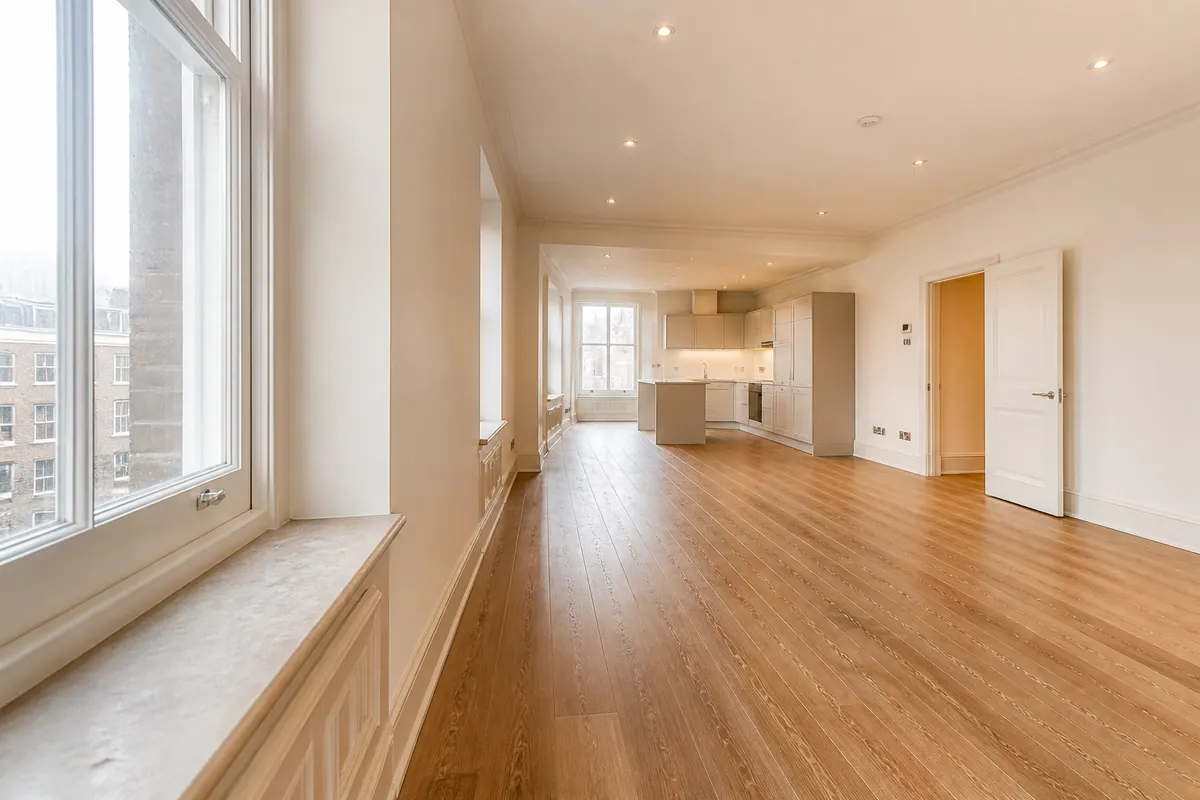
Skirting tops and door edges can hold dust after boards have been fitted. For your Hammersmith enquiry, describe the refloored flat and its entry passage. Use the flooring supplier’s guidance to distinguish suitable care from guesswork.
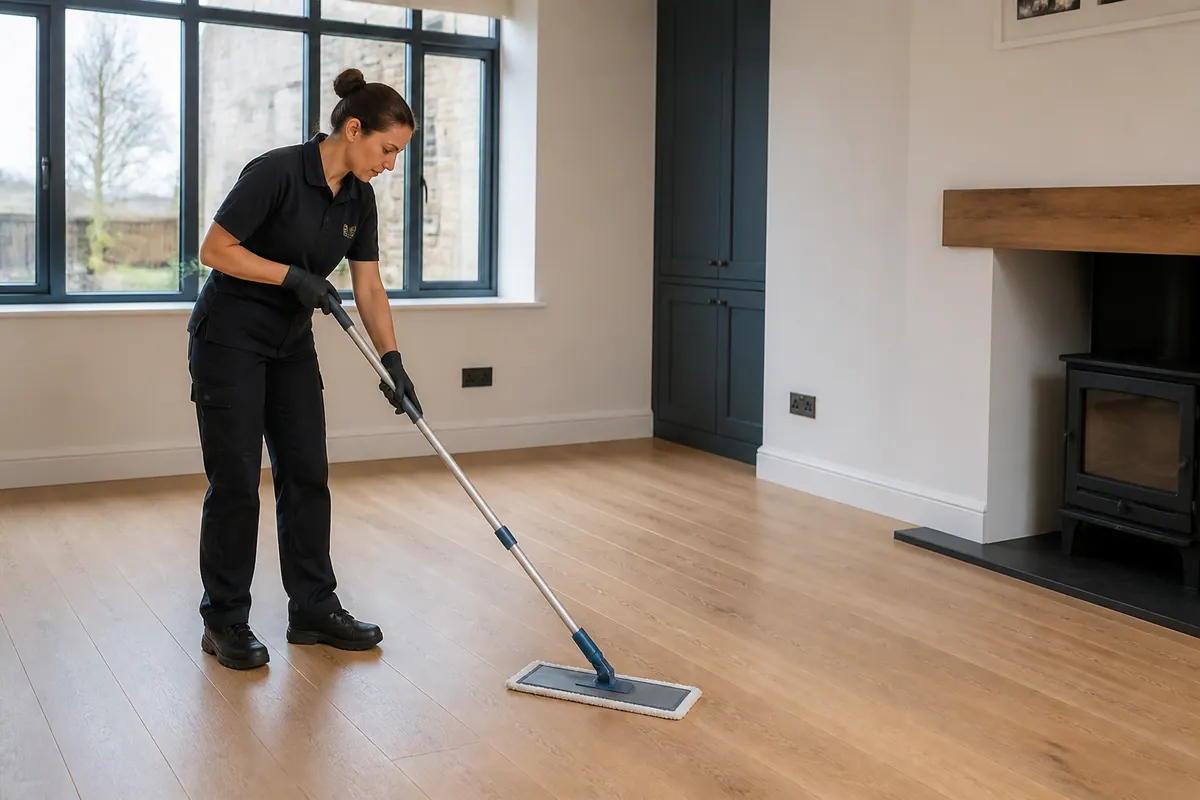
Illustrative renovation scene; no customer job or measured result is represented.
At a glance
Different project briefs
Keep the entrance and room connections on the inspection list.
A kitchen brief should separate ordinary dust from bonded installation marks.
Explain which new materials permit cleaning and which still need time.
A larger renovation benefits from material notes for each affected space.
Give the keyholder details alongside the rooms released after works.
Commercial suitability must be checked; describe premises and coordination needs before assuming availability.
Beyond the work zone
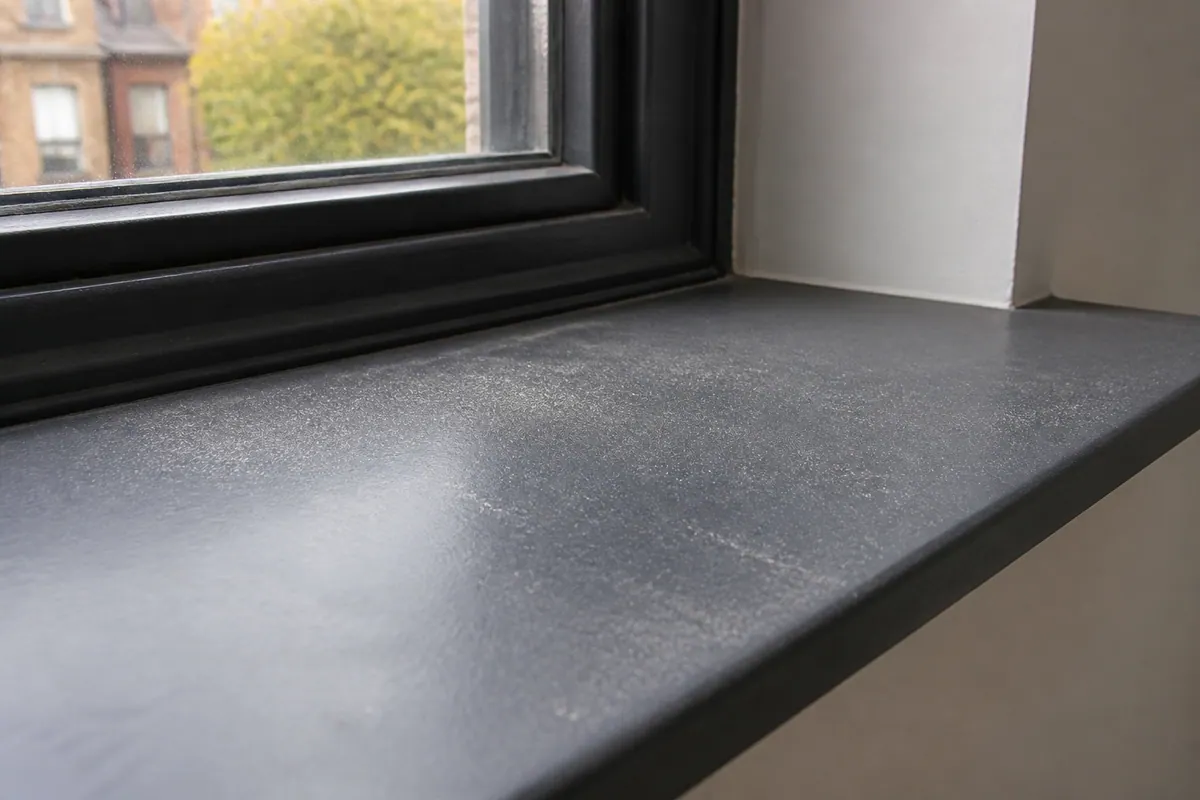
Check where the last tools were carried out.
Protected furniture does not mean every nearby surface stayed untouched. Examine exposed ledges and passages before ruling a room out.
Surface-aware cleaning means lifting deposits with appropriate equipment rather than treating every room as an identical wipe-down.
Raise the possibility of further dusty tasks before confirming a visit; the cleaning schedule should reflect the real project sequence.
A scoped quote
From £29/ hour
Cleaning materials and equipment are included; confirm the current rate with the proposed work.
The amount of reachable detail matters alongside room count. Separate requests such as windows or waste can alter the overall plan.
| Project | Pricing basis | What to describe |
|---|---|---|
| Smaller refurbishment | From £29/hour; scope confirmed | Reachable edges, recent work and coating guidance |
| Kitchen or bathroom work | From £29/hour; scope confirmed | Separate glass or residue requirements |
| Whole-property renovation | Quote after the room scope is reviewed | Room schedule and surface-care needs |
| Commercial refurbishment enquiry | Quotation after requirements are confirmed | Access procedure and remaining work |
Based on Alesta’s published after builders cleaning rate. Building waste removal is quoted separately.
Glass after renovation
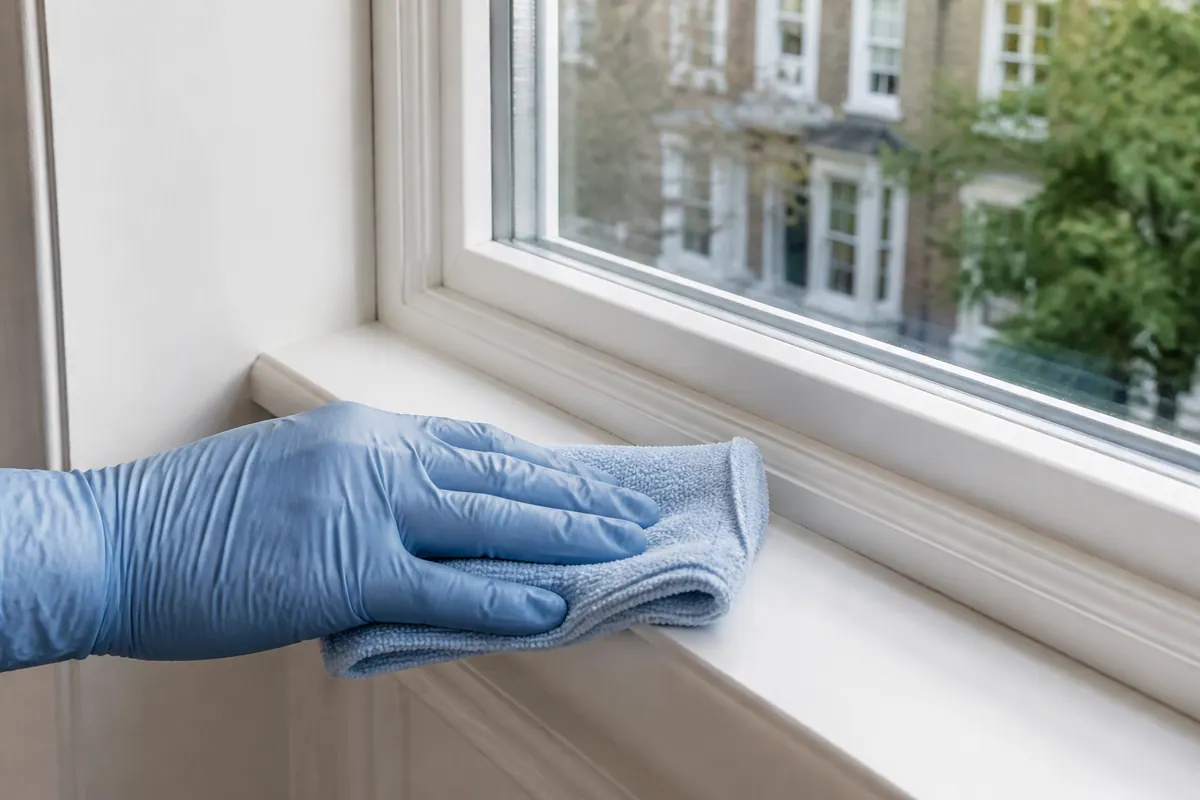
Specify the glazing you mean, including height and whether the request concerns its inside, outside or frame.
Construction marks need a separate assessment of suitable treatment; a glazing clean is not an unlimited removal guarantee.
Plan separate window cleaning ↗Start with the work
Use a category as a starting point, not a promise that all listed work applies to the property.
Explain where the work stopped and where deposits remain; the two boundaries may not be identical.
Hammersmith / the specific room brief
Skirting tops and door edges can hold dust after boards have been fitted.
This Hammersmith planning example centres on flat renovation after flooring work. Skirting tops and door edges can hold dust after boards have been fitted. The useful inspection route follows the refloored flat and its entry passage, with attention to engineered timber edges and skirting.
Use the flooring supplier’s guidance to distinguish suitable care from guesswork. Keep any care notes for engineered timber available when discussing the visible marks.
Describe how equipment reaches the flat from the entrance. Check perimeter detail before rugs and furniture cover it.
The dust route
The drawing is schematic. Only accessible areas agreed for the visit form the cleaning brief.
Point out high and low resting surfaces that remain accessible after the project.
Inspect the line where floors meet skirting and where door frames meet the wall.
Include external detail on agreed fixtures without assuming specialist treatment.
Track deposits into connecting spaces and ask for those areas to be priced explicitly.
Different issues / different scope
| Post-build issue | Example | How it is approached |
|---|---|---|
| Fine dust | Loose surface dust beside fitted units | Include the affected locations in the scoped tasks. |
| Loose cleaning remnants | Unbonded residue in accessible cleaning areas | Ask for affected areas to be recorded in the brief. |
| Adhesive or labels | A bonded patch on new trim | A cleaning method cannot be chosen from appearance alone. |
| Paint, plaster or cement spots | A splash on a floor or fitting | Assess first; complete removal may damage the finish. |
| Protective film | Protective material on an installed panel | Check installer instructions and confirm whether removal is included. |
Two separate jobs
The finishing work concerns the agreed reachable detail: surface deposits, fittings and appropriate floor care.
A pile of construction materials can prevent access to the very surfaces requested for cleaning.
Discuss building waste disposal ↗A useful distinction
Builder stage
Cleaning stage
Room-by-room brief
A new worktop and surrounding cabinets need their materials noted, with cleaning limited to the agreed accessible detail.
Name the tiles and fittings affected by the works; glass or difficult residue needs clear discussion.
Check reachable frames and floors, and mention any dust inside storage rather than assuming it is included.
A clear living-area brief distinguishes construction deposits from unrelated household cleaning.
Protect the new finish
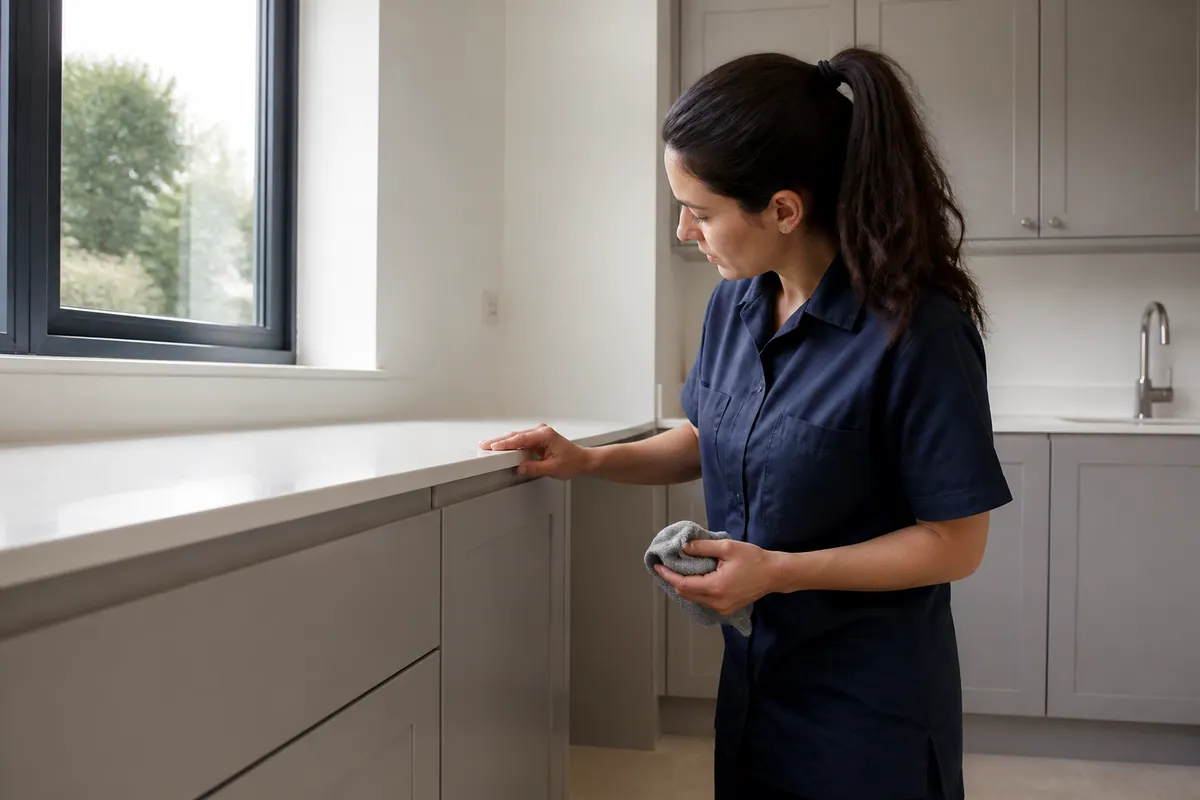
Illustrative surface review.
Start with the surface, then identify the deposit.
Separate loose dust from bonded material. Safe treatment depends on both the deposit and the finish, and specialist work may need another quote.
Wet or uncured finishes need time under the relevant manufacturer guidance.
Timber, natural stone and tiles should not share an assumed treatment.
Glass and coated metal require their own residue assessment.
From renovation to room use
Record the surfaces affected by the completed works.
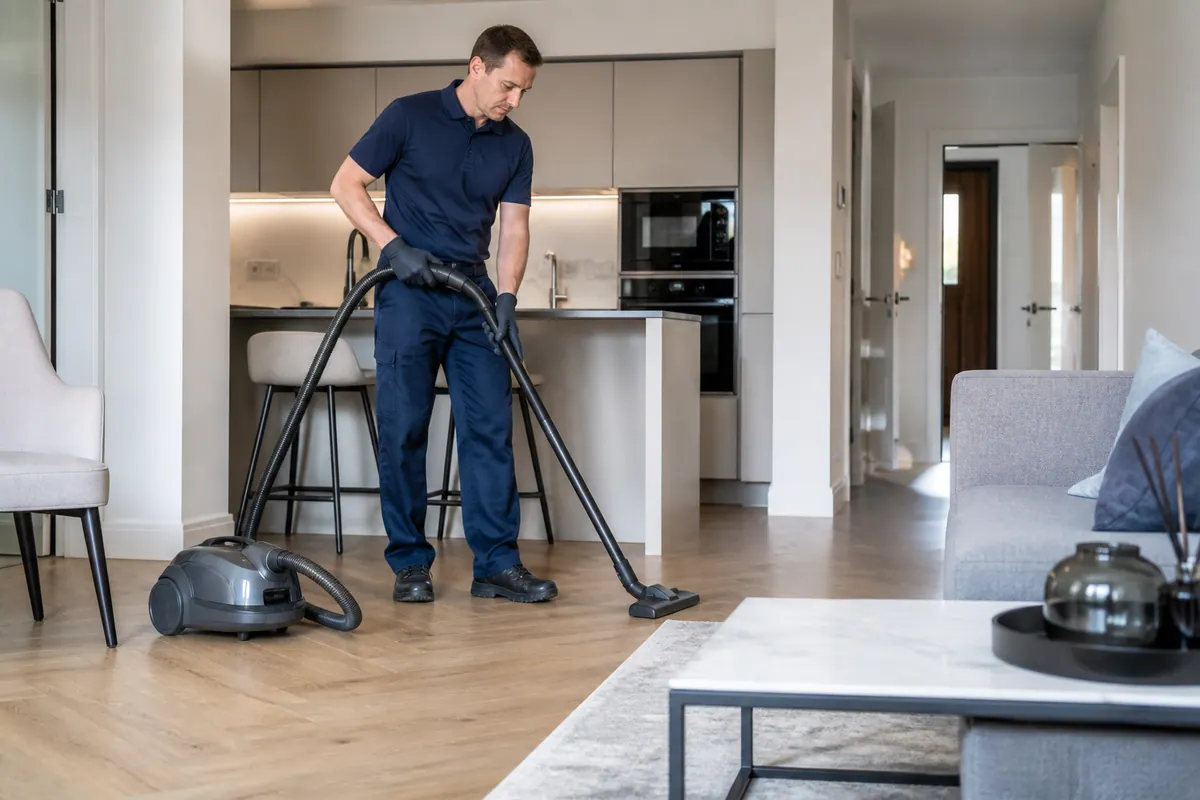
Address the identified deposits within the agreed work.
Check the work before the rooms are rearranged.

Prepare for occupation without assuming a guarantee.
These images explain stages; they do not show one verified customer project or promise an identical outcome.
Build your brief
Outline the work and the rooms it affected.
The page creates a private planning note only. It does not transmit data, calculate a quote or reserve a cleaning slot.
A room count cannot decide suitability. Discuss the real surface condition and any extra tasks after preparing the note.
Discuss the brief: 020 3608 3976Who is planning the handover?
List the rooms being returned to use and who can explain the newly installed surfaces.
Provide a clear point of contact for the post-work scope and keep any unrelated inspection duties separate.
Ask Alesta whether the specific project can be accommodated, including any site rules or coordination requirements.
Service-area planning
Use the map to locate the Hammersmith service area, not an Alesta branch. Provide the actual address when asking about access and appointment availability.
For another nearby area, contact Alesta through the main after builders service to confirm coverage and availability.
Before the appointment
Name the completed work and explain the intended next use. This gives the cleaning conversation a practical purpose while leaving room to assess condition and surface limitations. Skirting tops and door edges can hold dust after boards have been fitted.
Access means the whole journey to the agreed rooms, including any shared entrance or internal obstruction. Give the contact details needed to arrange entry; no separate local office is implied. Describe how equipment reaches the flat from the entrance.
The aim is appropriate cleaning, not refinishing. Identify the material, explain when it was installed and flag anything the supplier says should not be used. Use the flooring supplier’s guidance to distinguish suitable care from guesswork.
The brief can cross the building-work boundary. That should follow the condition observed, not an automatic assumption about the entire property. Here, inspect the refloored flat and its entry passage.
Published pricing begins from £29 per hour. Cleaning supplies and equipment are included, but the property scope and any extras still require agreement.
A later contractor attendance may affect the proposed room priorities. Raise it before agreeing the timing and avoid assuming repeat cleaning is included.
Do not leave bulky packaging inside an undefined cleaning request. Describe the amount and access for removal, then agree the surface work independently.
Describe what the carpet or glazing needs rather than adding a broad “extras” request. Suitability, availability and any residue limitations should be discussed.
The time depends on more than room count. Allow the discussion to cover fittings and access as well as any product-specific drying requirements. Check perimeter detail before rugs and furniture cover it.
A mark can be an installation issue rather than removable residue. Cleaning should not be used to disguise that distinction.
Your project / the final clean
Use the project details to start a quotation discussion, keeping difficult surfaces and separate services visible from the outset.
