
Paint & sealants
Wet or uncured finishes need time under the relevant manufacturer guidance.
Mayfair · Read the finish before treating the mark
Read the finish before treating the mark.
Review fittings before the apartment is dressed for use.
Reflective fittings can show both settled dust and installation marks, which call for different decisions. For your Mayfair enquiry, describe the apartment’s fitted living area. Describe scratches separately from surface deposits; cleaning cannot correct a damaged coating.
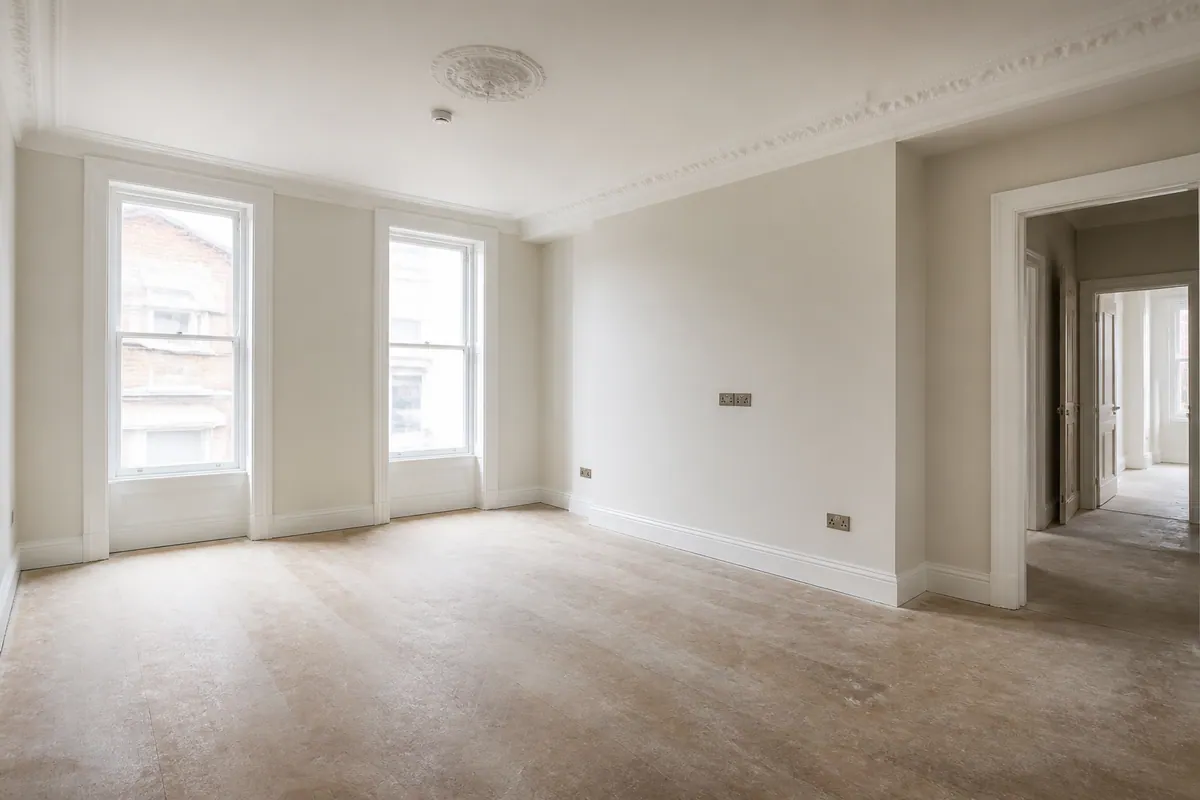
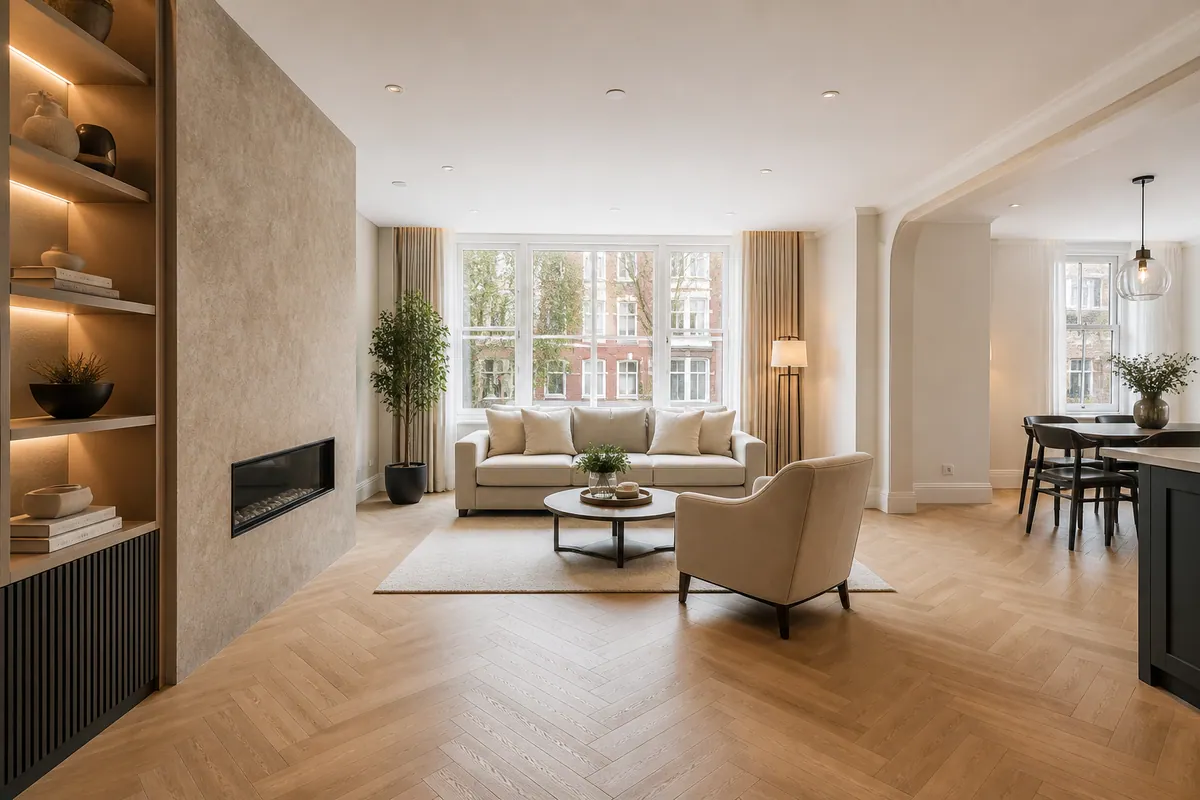
Illustrative renovation scene; no customer job or measured result is represented.
Protect the new finish
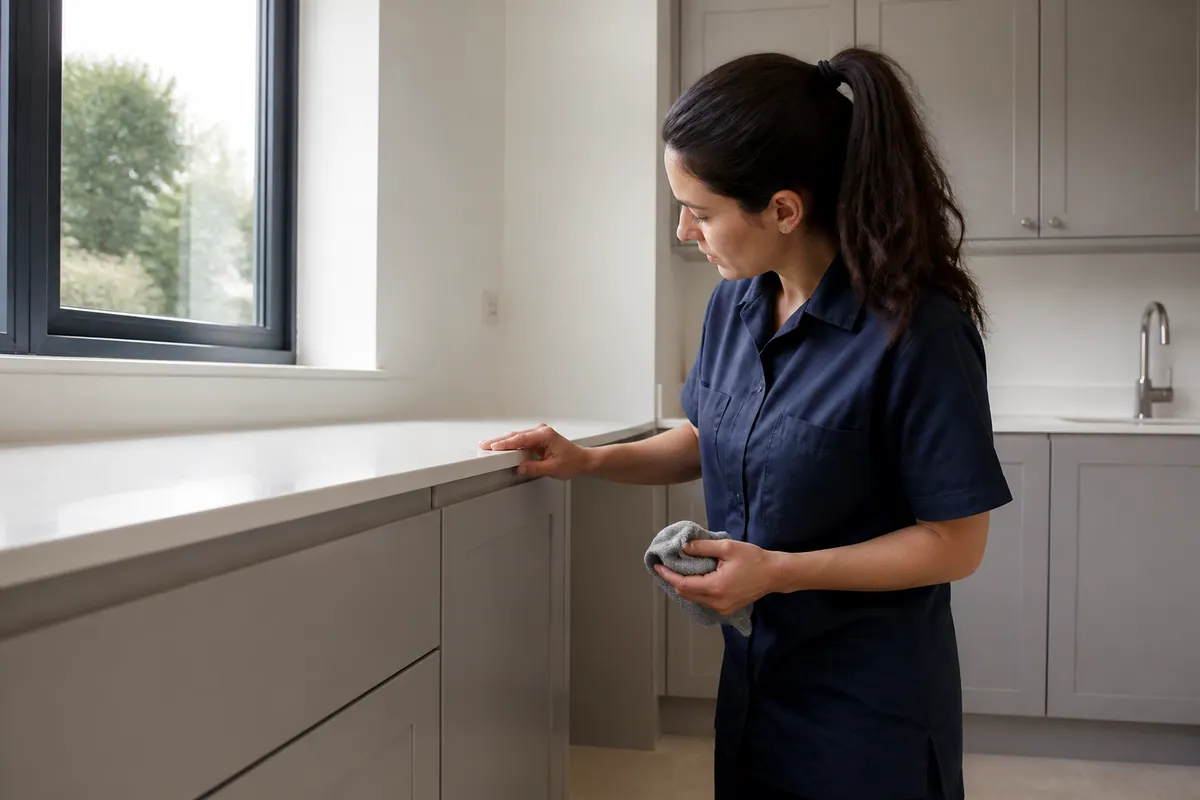
Illustrative surface review.
Protecting the finish can mean leaving a difficult mark for assessment.
An unknown coating calls for a question before a cleaning method. Explain the visible issue and avoid promising yourself that every mark can disappear.
Wet or uncured finishes need time under the relevant manufacturer guidance.
Provide floor or tile care notes alongside the room list.
Tell the team about coated taps, polished trim and existing fitting marks.
Mayfair / the specific room brief
Reflective fittings can show both settled dust and installation marks, which call for different decisions.
This Mayfair planning example centres on apartment finishing work. Reflective fittings can show both settled dust and installation marks, which call for different decisions. The useful inspection route follows the apartment’s fitted living area, with attention to polished handles and metal trim.
Describe scratches separately from surface deposits; cleaning cannot correct a damaged coating. Keep any care notes for polished metal fittings available when discussing the visible marks.
Confirm the permitted route for bringing cleaning equipment inside. Review fittings before the apartment is dressed for use.
Two separate jobs
The finishing work concerns the agreed reachable detail: surface deposits, fittings and appropriate floor care.
A pile of construction materials can prevent access to the very surfaces requested for cleaning.
Discuss building waste disposal ↗Before the next property stage
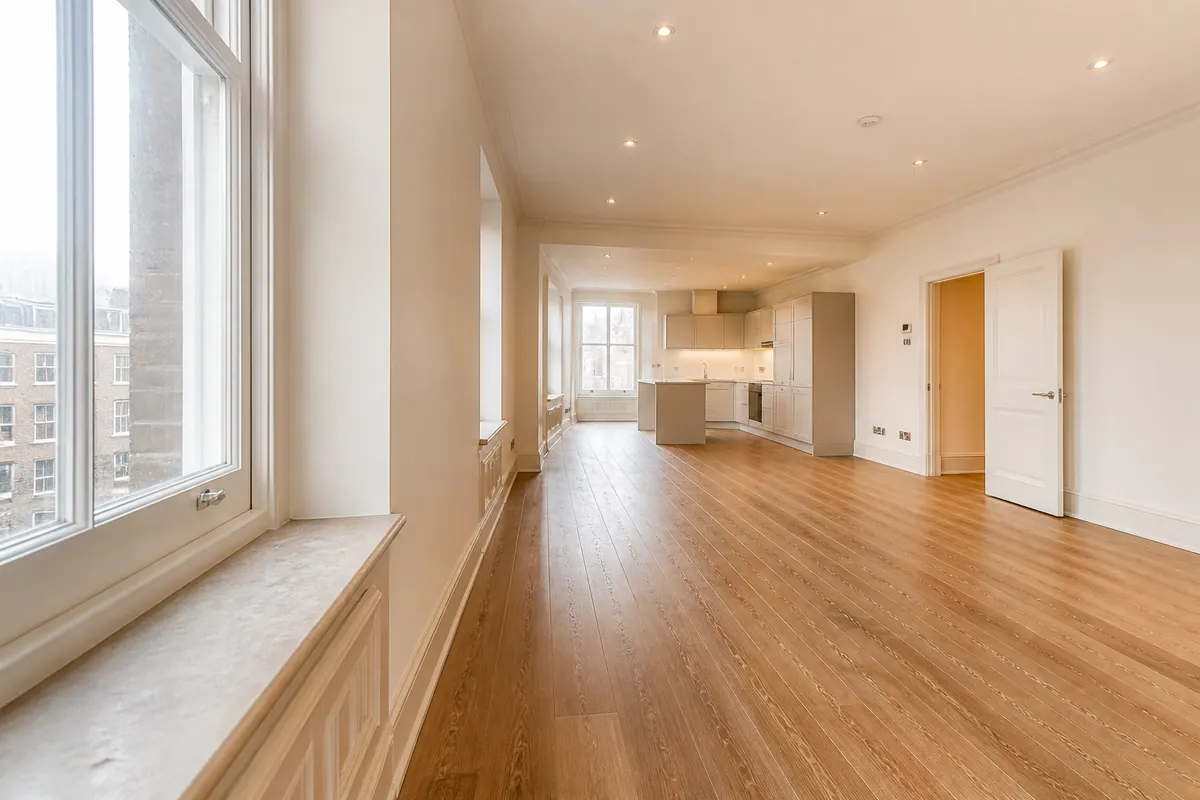
Record the surfaces affected by the completed works.
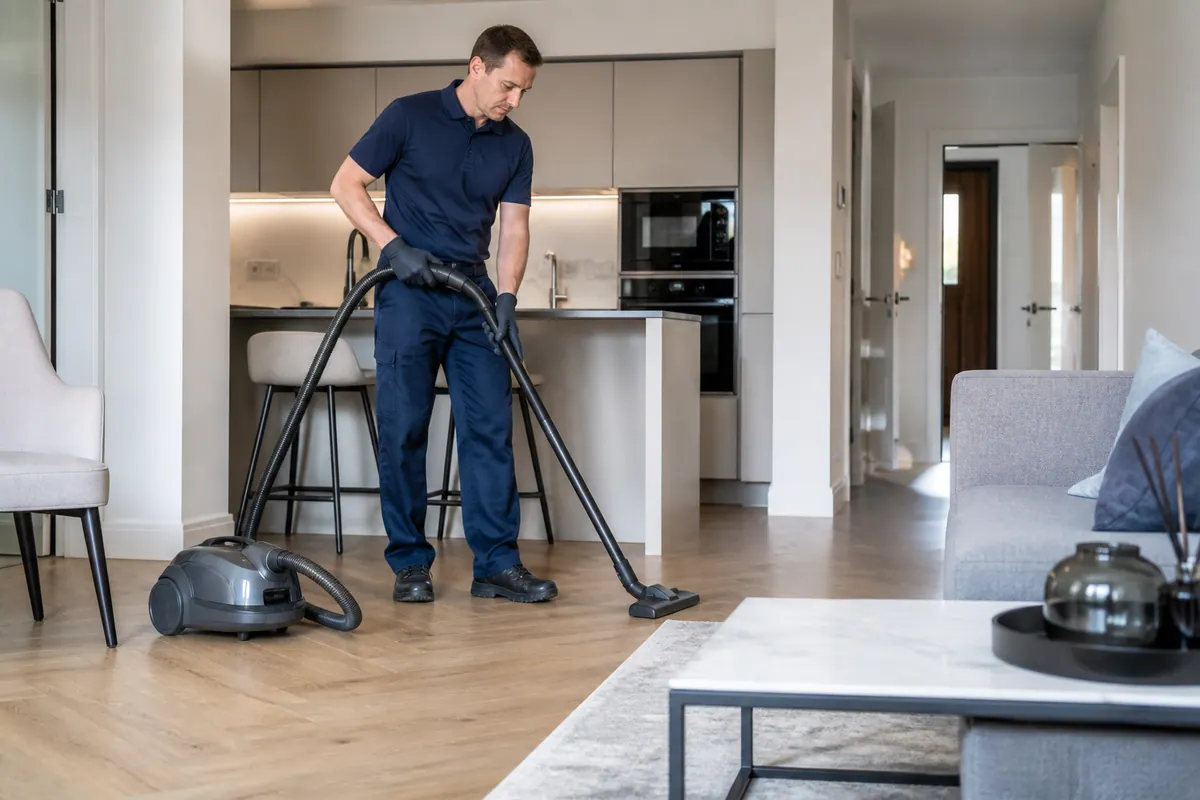
Clean the accessible details included in the agreed brief.
Review the task list and identify unresolved marks.
Arrange the next stage around the reviewed areas.
Different interiors illustrate the process rather than a guaranteed transformation.
A scoped quote
From £29/ hour
Alesta includes materials and equipment for the cleaning; the current price still needs confirmation.
Time can change with fittings, dust and access restrictions. Do not read the starting guide as including every additional service.
| Project | Pricing basis | What to describe |
|---|---|---|
| Smaller refurbishment | From £29/hour; scope confirmed | Rooms released and cleaning priorities |
| Kitchen or bathroom work | From £29/hour; scope confirmed | Deposits around fixtures and thresholds |
| Whole-property renovation | Quote based on the released areas | Sequence, size and intended next use |
| Commercial refurbishment enquiry | Discuss premises before a quote | Coordination needs requiring confirmation |
Based on Alesta’s published after builders cleaning rate. Building waste removal is quoted separately.
Service-area planning
Use the map to locate the Mayfair service area, not an Alesta branch. Provide the actual address when asking about access and appointment availability.
For another nearby area, contact Alesta through the main after builders service to confirm coverage and availability.
Start with the work
Begin with the renovation type, then explain what actually remains. The selector is guidance for a discussion.
Keep the renovation schedule beside the cleaning list so unfinished work is not mistaken for a released area.
Beyond the work zone
Include the quiet corners in the discussion.
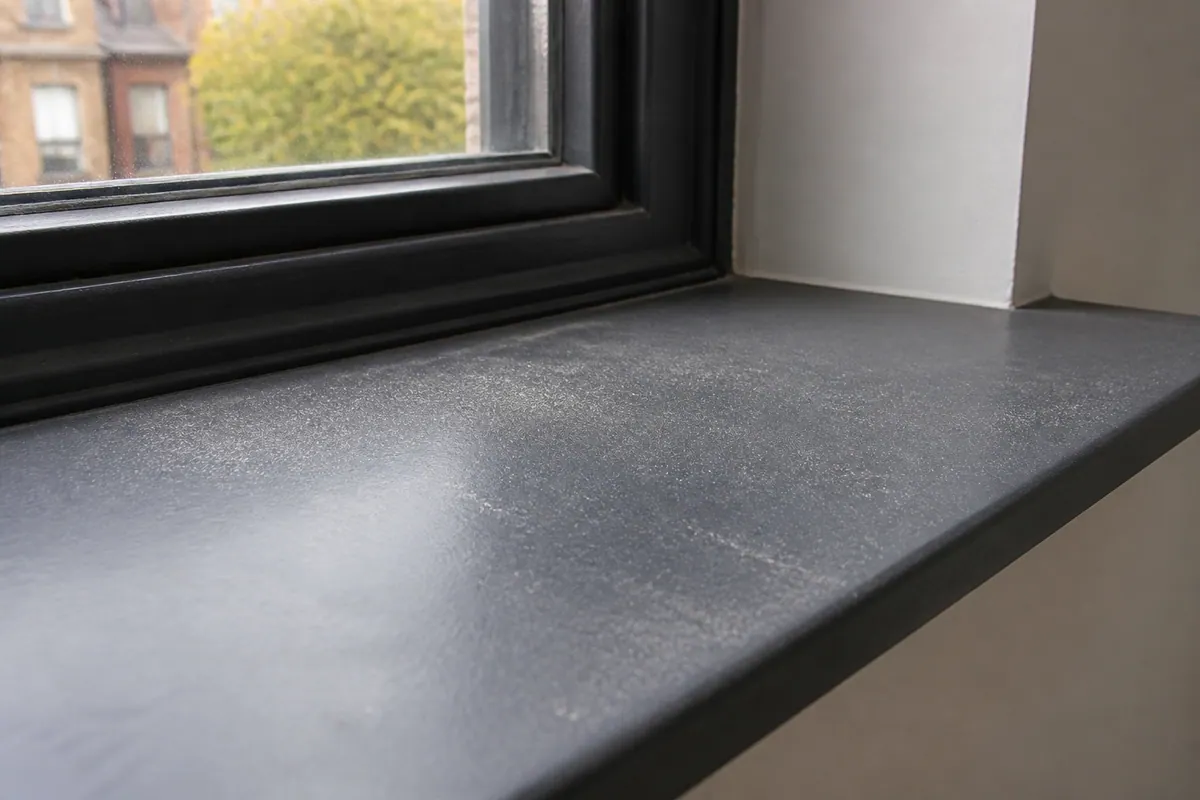
Protected furniture does not mean every nearby surface stayed untouched. Examine exposed ledges and passages before ruling a room out.
Identify the affected surfaces for Alesta. Appropriate vacuuming, microfibre materials and products are selected around their condition and material.
Tell Alesta about unfinished tasks instead of assuming the clean covers deposits created afterwards.
The dust route
These zones describe a planning approach rather than measured rooms or customer premises.
Look along flat ledges, not only at surfaces directly beneath the building work.
Explain which corners can be reached without moving stored belongings.
A bathroom fitting needs a different surface description from a painted radiator.
Explain how dust reached neighbouring rooms; suitable floor care follows the material underneath.
Different issues / different scope
| Post-build issue | Example | How it is approached |
|---|---|---|
| Fine dust | Dust resting on frame tops or sills | Plan this around reachable areas and their finish. |
| Loose cleaning remnants | Ordinary dust rather than bulky materials | Ask for affected areas to be recorded in the brief. |
| Adhesive or labels | Sticky residue beside fitted hardware | Installer information may be needed before treatment is agreed. |
| Paint, plaster or cement spots | Visible spotting after wet trades | Flag these individually; some need specialist attention. |
| Protective film | A covered face on a new component | Check installer instructions and confirm whether removal is included. |
Different project briefs
Note deposits beyond the renovated room before calling the property ready for occupation.
A kitchen brief should separate ordinary dust from bonded installation marks.
The bathroom can be installed yet still waiting for a product’s drying period.
Separate the released rooms from areas still occupied by tools or materials.
Explain what was refurbished and who can approve the relevant room priorities.
Alesta must confirm suitability for the premises and any requested project coordination.
A useful distinction
Builder stage
Cleaning stage
Room-by-room brief
Explain where fitting dust remains around the units. Internal storage and specialist marks should not be silently added.
Record the bathroom’s new materials and any curing instructions alongside the proposed fixture and floor tasks.
A bedroom outside the work area may still have deposits on its exposed ledges.
List doors, ledges and suitable floors, with internal glass or unusual materials explicitly identified.
At a glance
Build your brief
Outline the work and the rooms it affected.
A scope summary is a starting note, not a booking. The tool does not transmit the answers to Alesta.
Separate requests can change the visit. Explain window work, specialist surfaces and waste rather than assuming inclusion.
Discuss the brief: 020 3608 3976Who is planning the handover?
Your next-use priorities help frame the brief, but the visit still needs a defined list of renovation-related tasks.
A managed-property enquiry should specify access, completed works and the intended handover, not assume a tenancy package.
Ask Alesta whether the specific project can be accommodated, including any site rules or coordination requirements.
Glass after renovation
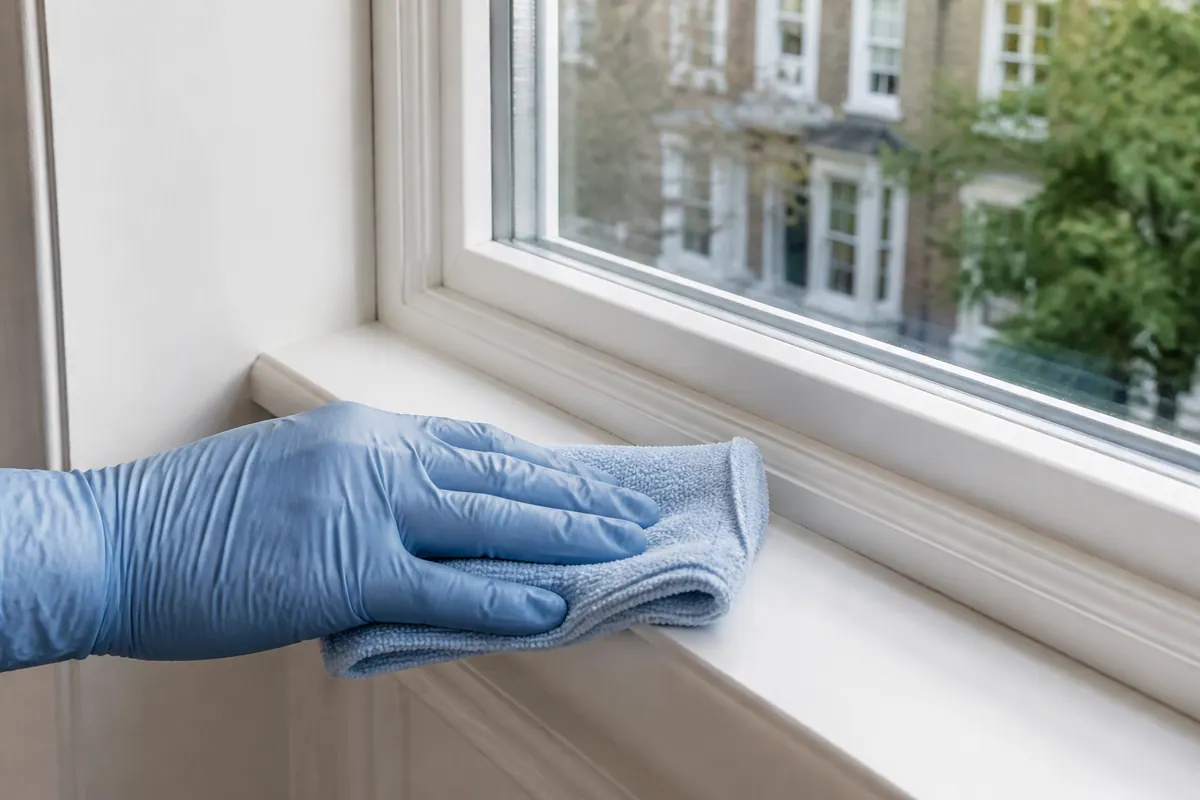
Do not assume the room clean includes every glass surface. List window requirements alongside the access details.
A fixed deposit may not be safely removable from the glass finish. Identify it before agreeing ordinary window work.
Plan separate window cleaning ↗Before the appointment
Describe the project in terms of accessible surfaces rather than a promise that the property is “finished”. It helps to identify the actual priorities before discussing price or timing. Reflective fittings can show both settled dust and installation marks, which call for different decisions.
The appointment needs a usable entry arrangement, not simply an address. Mention keys, room release and any restrictions on carrying equipment. Confirm the permitted route for bringing cleaning equipment inside.
New coatings need informed handling. Identify the material and residue separately so the treatment discussion remains realistic. Describe scratches separately from surface deposits; cleaning cannot correct a damaged coating.
An adjacent space may need only specific detail. Describe those surfaces instead of treating it as another complete renovation. Here, inspect the apartment’s fitted living area.
The guide starts at £29/hour, including equipment and cleaning materials. Ask for the current quotation against your actual room condition, rather than multiplying an assumed duration.
A separate room can be complete while trades still use its doorway. Discuss the full route before deciding whether the sequence is workable.
A room must have accessible areas for its surface work. If materials remain, explain them before finalising either collection or cleaning.
Extra work must be named before the visit. A general room brief does not automatically include carpet treatment or every internal and external glass surface.
Access, detail and residue determine the workload. Explain the deadline without assuming a set duration is available. Review fittings before the apartment is dressed for use.
Safety for the finish can limit removal. Ask what sort of additional assessment is appropriate instead of demanding a harsher method.
Your project / the final clean
Describe the rooms being released and the work still outstanding. Keep extra requirements visible so the quotation can address them.
