
Can I work at the nearby desk during treatment?
Discuss the arrangements for the agreed work beforehand rather than assuming the space remains available.
SOUTHFIELDS / THE WINDOW-SIDE SPACE YOU USE
The surface needs attention; the room still has a daily purpose.
For a Southfields window-surround enquiry, show how the room is used as well as the visible marks. A regularly used desk, bed or other nearby item can affect access and practical arrangements. Discuss the proposed work and return instructions before assuming the space will remain available throughout the appointment.
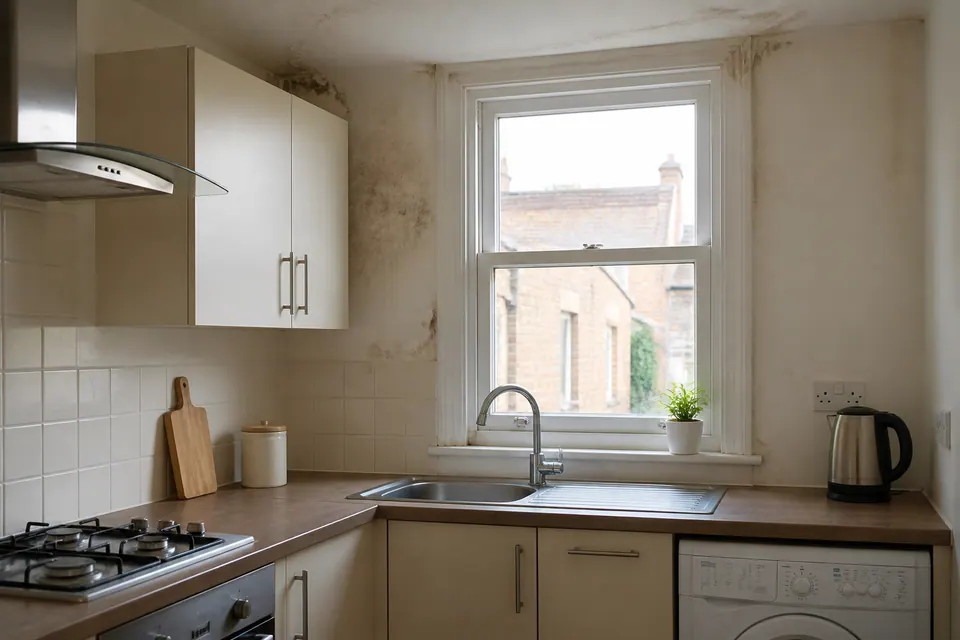
Opening · nearby items · use arrangements
01 / DIRECT ANSWERS
Discuss the arrangements for the agreed work beforehand rather than assuming the space remains available.
Ask what preparation is appropriate for the proposed scope before moving or handling items unnecessarily.
It provides room-use and access context, not a confirmed explanation for growth.
Identify their materials and confirm the named scope; different components may need separate consideration.
Follow the applicable instructions for the agreed method; immediate return is not promised.
Not automatically. Describe any visible changes separately and ask about handling.
Raise the restriction during the enquiry so feasibility can be discussed before booking.
Only explicitly agreed work should be assumed; surface treatment does not automatically repair the opening.
02 / SEPARATE THE QUESTIONS
A desk or bed near a window explains practical constraints. It does not establish the source of moisture or the condition of belongings.
| Detail | What it helps arrange | What it does not establish |
|---|---|---|
| Desk beside the reveal | Access and preparation of the work area | That equipment or furniture is affected |
| Bed close to the wall | Sleeping-space arrangements | A confirmed cause for growth |
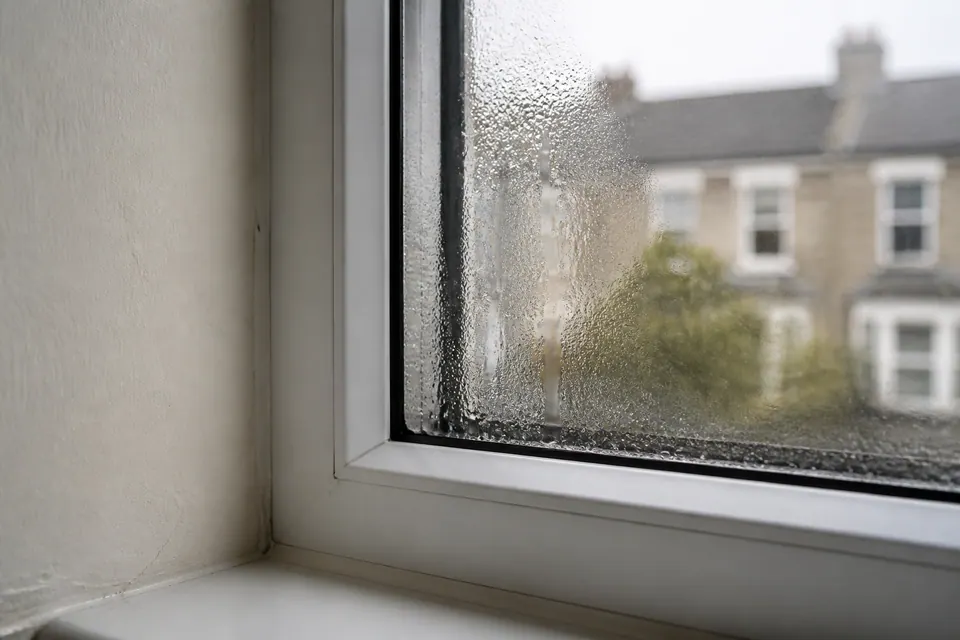
| Water observed on the frame | A located moisture question | The source without assessment |
| Room needed during the day | A realistic appointment discussion | That unrestricted use during work is suitable |
Preparation and return instructions must relate to the proposed work, while repairs remain separately scoped.
Both need clear answers, without one replacing the other.
| Point | Treatment evidence | Practical room plan |
|---|---|---|
| Location | The affected window component or wall | The desk, bed or items nearby |
| Condition | Visible marks and material damage | Access limits and handling questions |
| Uncertainty | Source and concealed extent where unknown | How the room can be made available |
| Agreement | Suitable named surface work | Preparation and applicable return guidance |
03 / ROOM-BY-ROOM CONTEXT
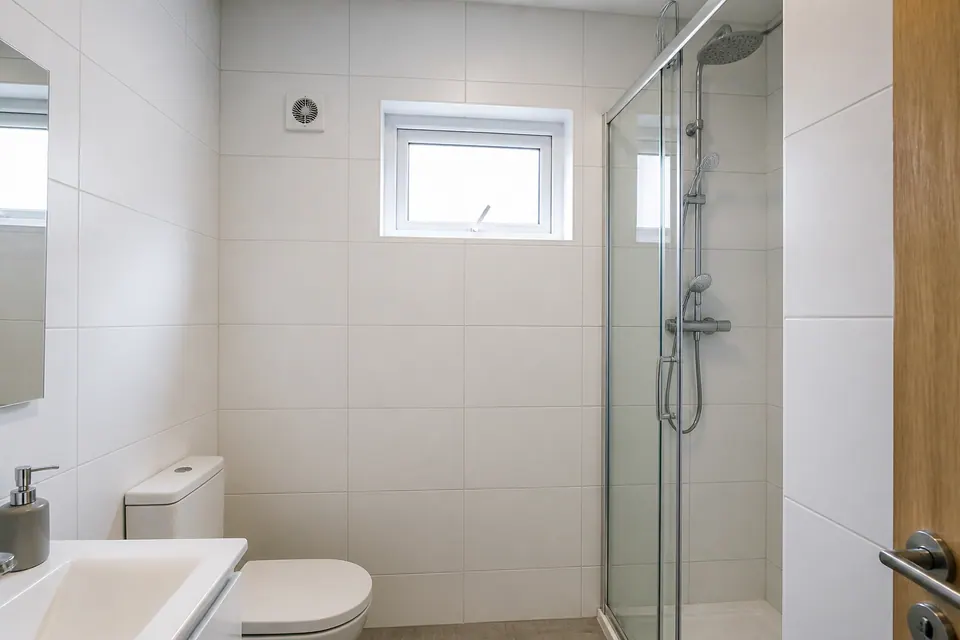
Discuss availability and identify paint, seals or other affected materials separately.
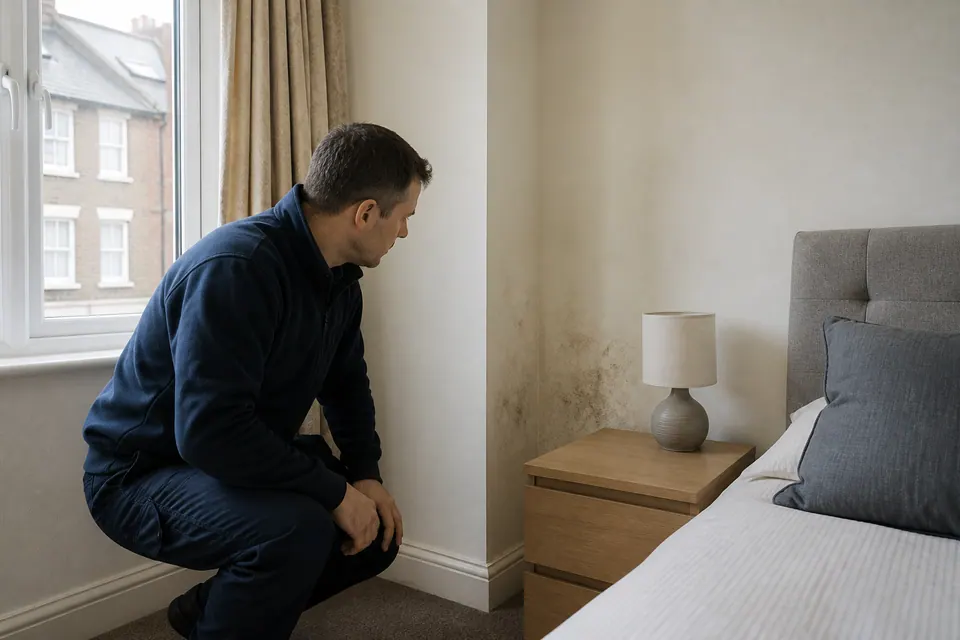
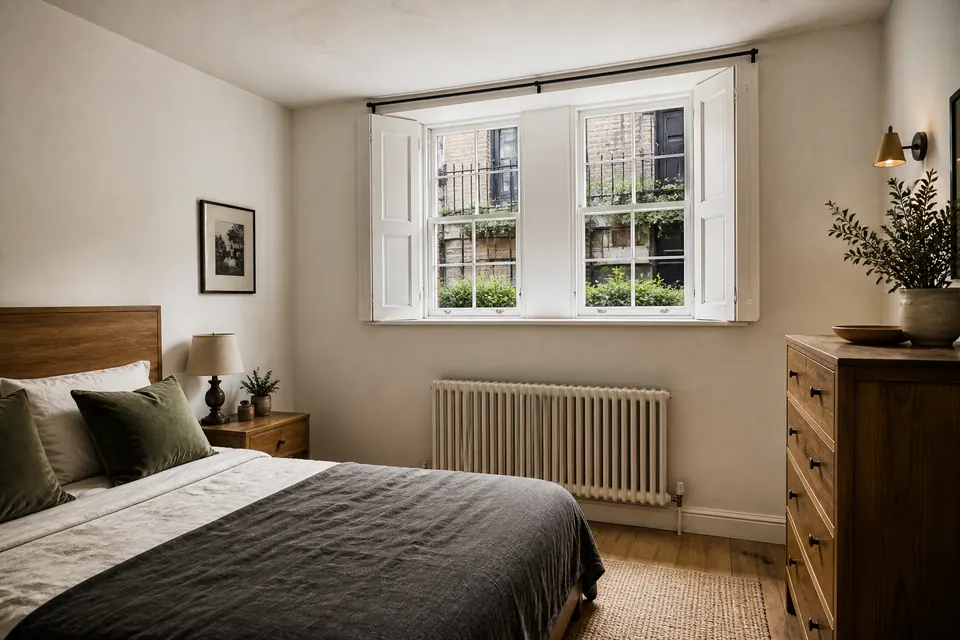
Include the bed in the wider view and raise sleeping arrangements before a date is agreed.
Show fixed units and practical use constraints around the affected opening.
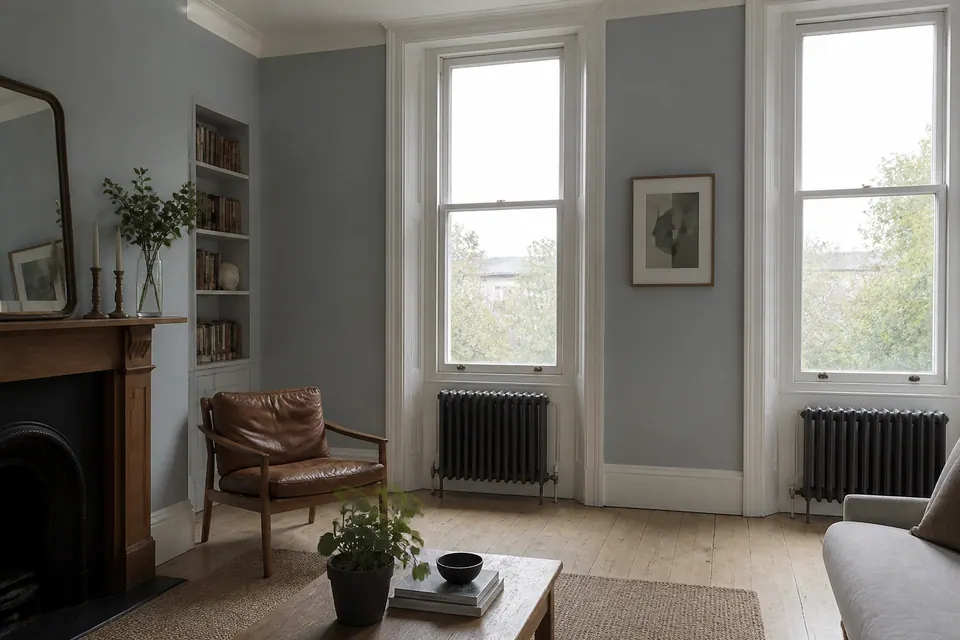
Explain the nearby desk or seating area without assuming its contents are affected.
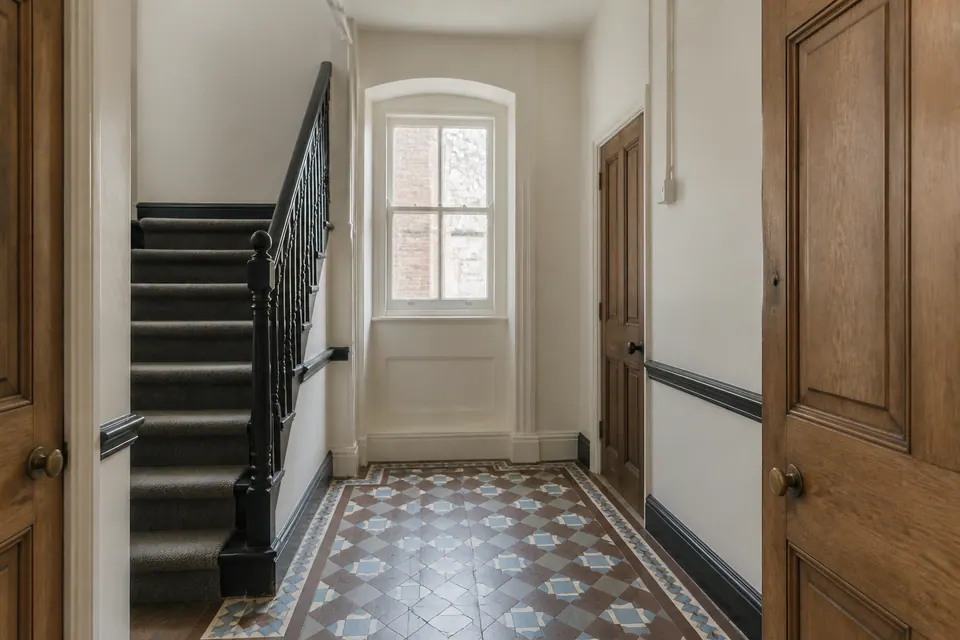
Confirm who uses the route and who can authorise access to the marked area.
Include the known water history and practical route to the opening as distinct details.
Southfields / THE PROPERTY BRIEF
A close-up cannot show that the affected wall is beside the household’s working desk.
Include the opening and nearby furniture in one view, then identify the material carrying the mark. Explain when the room needs to be used and any difficulty making the area available. These are practical constraints to discuss, not reasons to assume a particular treatment method. Agree access and relevant instructions before fitting the visit into a workday or sleeping routine.
05 / QUOTATION, NOT GUESSWORK
Material, extent and reach inform the quotation. Practical use of the surrounding space should be discussed alongside the condition, not after the appointment is confirmed.
Read the main mould-removal information ↗| Situation | How it is considered | Useful detail |
|---|---|---|
| Small suitable accessible area | Photos may support quotation | Material, extent and realistic reach |
| Repeated or several areas | Assessment defines the work | Locations and previous changes |
| Damaged material or complex damp | Specialist quotation may be required | Unresolved conditions and practical limits |
Confirm the total and practical assumptions. The quote should not imply unrestricted room use or treatment of nearby possessions.
Southfields / ACCESS & PEOPLE
Explain why availability matters so the appointment can be discussed realistically.
Keep the material and visible condition clear even when the main concern is fitting work around daily use.
Ensure the person using the space receives the relevant preparation and return guidance.
A working or sleeping routine should be discussed before booking, not treated as guaranteed compatibility with the work.
Confirm who can provide entry and agree arrangements for the affected room and surrounding items.
Any window or material repair should remain a separately agreed task rather than an assumed part of the surface visit.
07 / LOCATE THE ISSUE
The material and surrounding use both help define a practical enquiry.
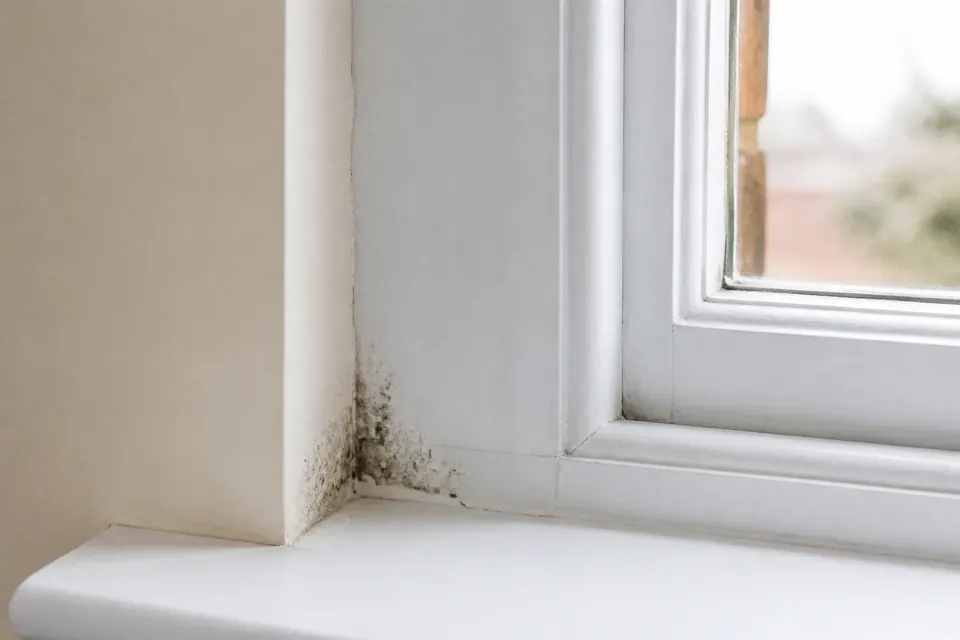
Identify the marked component and show any nearby furniture that restricts reach.
Describe the affected finish and practical availability of the room, without assuming it can be used immediately afterwards.
Explain the bed position and sleeping-space constraints before agreeing the appointment.
Show fixed units and discuss the room’s use around the proposed work. Keep fittings distinct from the affected surround.
Include the working area in context and ask about preparation of nearby items without assuming they are affected.
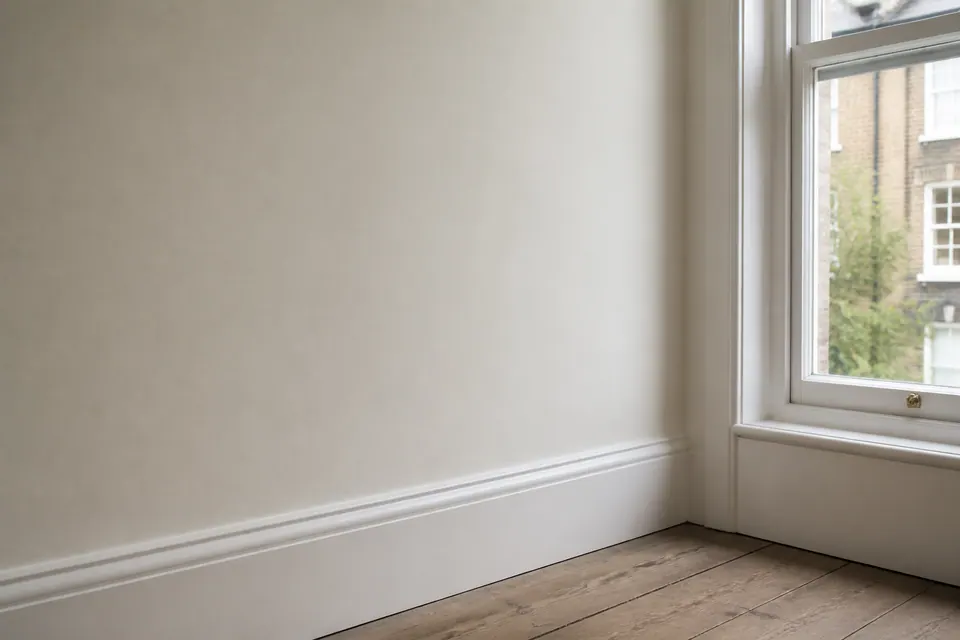
Describe height and visible material from an accessible position; do not stand on a desk for the enquiry.
State what can be seen and reached around fixed or substantial storage, leaving concealed portions unconfirmed.
Nearby items provide context. Their condition and handling should not be inferred solely from marks on the wall.
08 / A CONTROLLED APPROACH
Identify the affected material and the nearby desk, bed or furnishings.
Discuss access, surrounding items and room-use arrangements before the visit.
Carry out the named scope without automatically extending it to belongings or repair work.
Clarify applicable instructions and any remaining moisture or material question before normal use is planned.
Practical guidance belongs with the agreed work rather than a generic promise about availability.
Provide the wider layout and room-use constraints.
Keep included surfaces and surrounding items distinguishable.
Follow the relevant instructions and raise any unresolved condition.
Illustrations explain service stages, not proof of immediate return or customer treatment outcomes.
09 / WHEN IT COMES BACK
Identify the same component and record any actual water or material change. Describe altered furniture positions separately from the condition itself.
A returning mark may require reassessment of moisture and suitability. The room’s continued use should not be presented as a diagnosis or a substitute for the evidence.
It helps locate the affected component even if the desk, bed or storage has since moved.
Southfields / PLAN THE APPOINTMENT
Confirm availability for the Southfields postcode before fitting the visit around a workday or sleeping routine.
Explain entry, floor level and the nearby items that restrict access to the opening.
Load the area map.
Southfields / BEFORE BOOKING
The wider setting matters alongside the close-up of the mark.
It shows the practical approach to the surface and helps explain preparation questions.
No. Report any visible change separately rather than assuming its condition from the wall.
Discuss the practical arrangements first; do not assume the workspace remains available or can be reused immediately.
Describe the restriction and ask about access before making a commitment to clear the area.
Only the named scope should be expected; identify frame, reveal and wall materials individually.
Ask what preparation is appropriate for the agreed work and the items around it.
Follow the applicable guidance for the method and scope, rather than a generic immediate-return expectation.
No. Record where and when it was seen and leave the source for assessment.
The scope and instructions, plus a wider image locating the treated component within the room.
SOUTHFIELDS / PLAN THE SURFACE AND THE ROOM
Send the postcode and room-context photographs. Raise desk, bed or other use constraints before agreeing access and the appointment.
Occupied-room scenes are illustrative, not completed customer-treatment photographs.
