
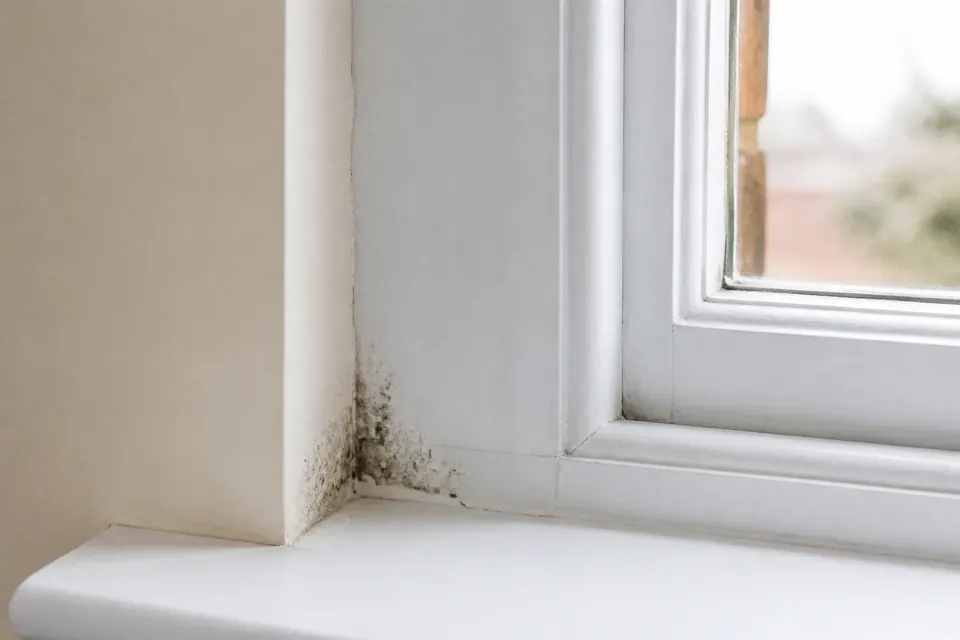
One or more window surrounds
Name the affected opening in each room. Do not include every window because one reveal is marked.
WANDSWORTH / DEFINE THE EXTENT
A whole-home request should not imply that every room is affected.
List the surfaces where marks have actually been observed in your Wandsworth property. Keep uncertain or hidden areas separate, and do not include an entire room simply because one finish needs attention. A clear room list makes the proposed treatment easier to assess and the quotation easier to check.
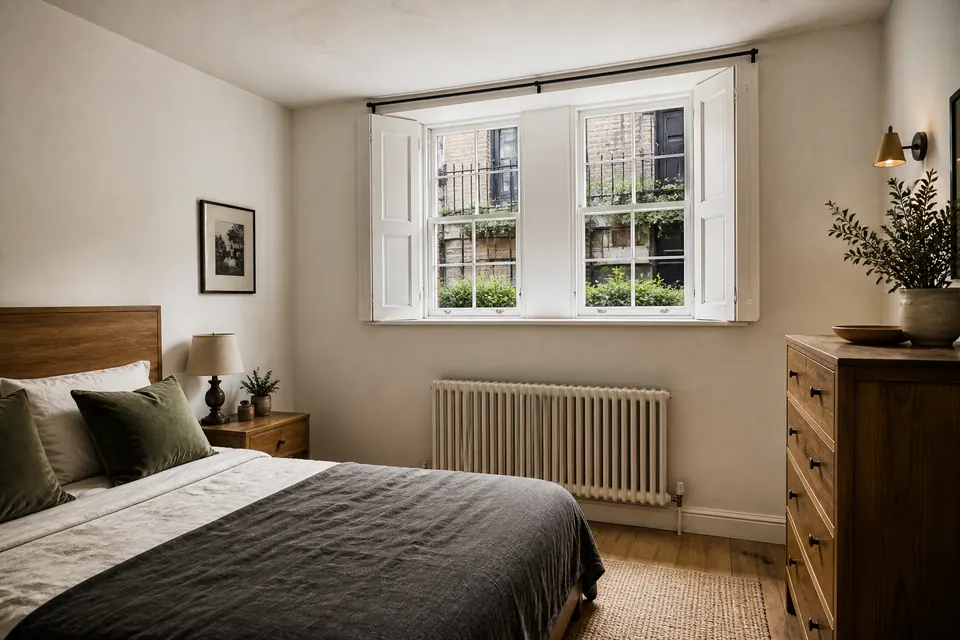
Room · patch · agreed inclusion
01 / LOCATE THE ISSUE
Use the room selector to locate observed marks, then retain the boundary within that room. A broad home description should not replace surface evidence.
Name the affected opening in each room. Do not include every window because one reveal is marked.
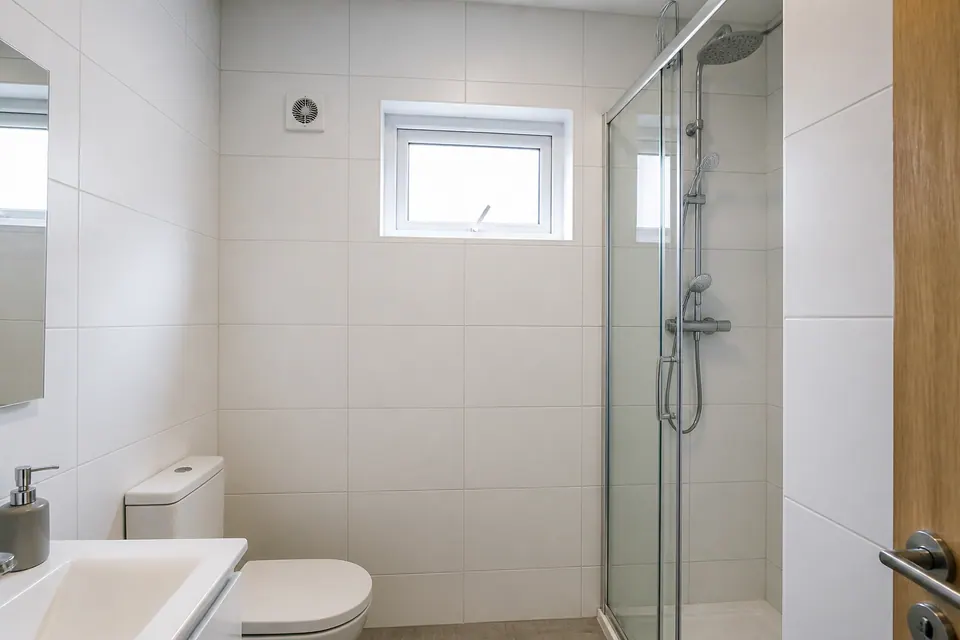
Identify the actual ceiling, wall or seal involved. The whole bathroom should not be treated as one affected material by default.
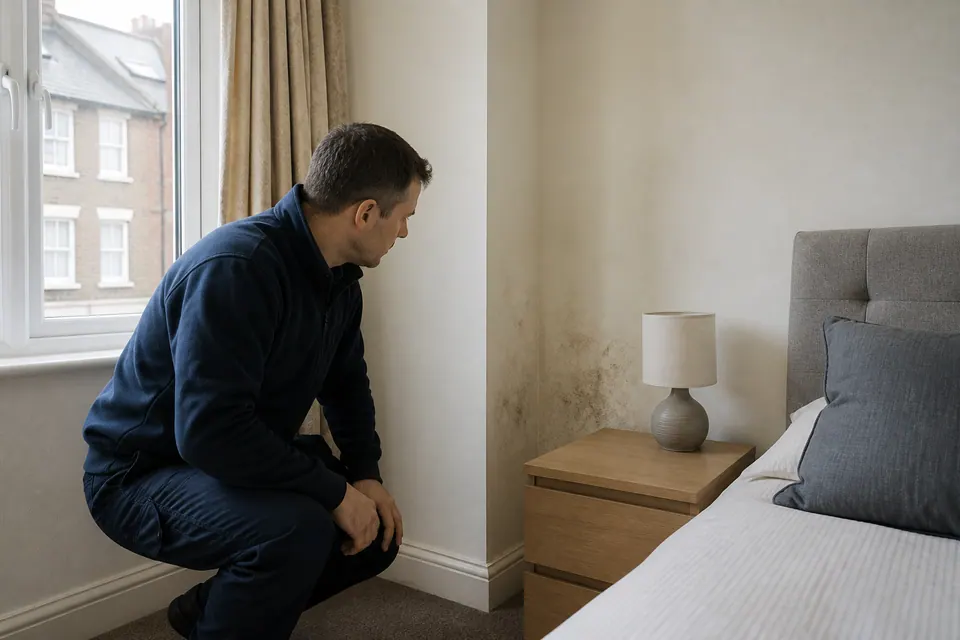
Show the patch and furnishings around it. A single corner does not establish the condition of every bedroom wall.
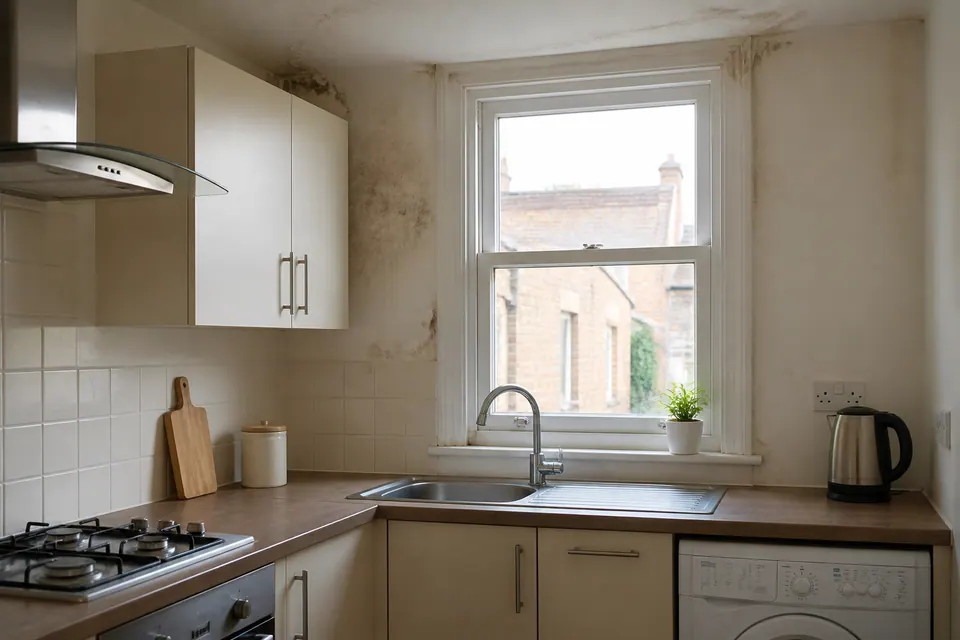
Keep observed growth and any confirmed water event tied to the relevant location. Do not extend the account to all fitted surfaces without evidence.
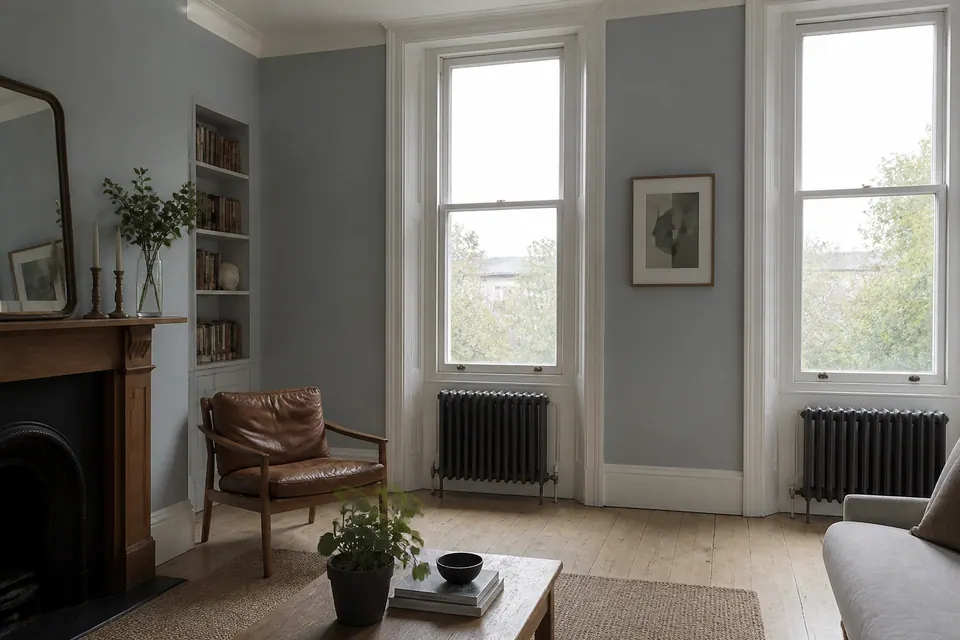
Label each marked elevation and material. A room-wide photograph provides context rather than proof of room-wide treatment extent.
Give separate dimensions and condition notes. Similar appearance does not establish identical suitability throughout the property.
State what cannot be seen rather than counting it as confirmed affected area. Further assessment may be needed before inclusion.
A clear list identifies evidence and uncertainty without certifying unseen areas or labelling the entire home as affected.
Wandsworth / SEPARATE MOISTURE HISTORIES
A property-wide phrase can hide a limited or mixed scope.
Use a short list naming each room and affected finish, with current dimensions and a photograph reference. Rooms with no observed issue need not be described as requiring treatment, but that is not a certification that hidden areas are clear. State uncertain concerns separately so assessment can distinguish known surfaces from questions needing another look.
03 / SEPARATE THE QUESTIONS
Keep each moisture observation attached to its actual surface rather than assuming one explanation throughout the home.
| Observed area | Possible context | What to record |
|---|---|---|
| One window reveal | Moisture near that opening | Its own finish and observed water |
| One bathroom ceiling | Repeated wetting in that room | Current coating and relevant history |
| A wall after a known leak | Water exposure or residual damage | The specific repair and status |
| Several returning patches | Conditions persisting at individual locations | Earlier work for each affected area |
Some surfaces may suit treatment while others need investigation or repair. The agreement should identify those distinctions rather than promise that every possible concern is covered.
Observed patches do not establish the condition of every concealed or unaffected-looking area.
| Question | Mould | Damp / moisture |
|---|---|---|
| What is described? | Growth on named observed surfaces | Excess moisture relevant to particular locations |
| Useful evidence | Individual dimensions and material condition | Location-specific events and repairs |
| Why separate them? | Known patches do not define all hidden extent | Different areas may require different questions |
| Next agreement | Suitable accessible surfaces included in treatment | Separate assessment or repair outside that boundary |
04 / DIRECT ANSWERS
Yes, provide a separate list and evidence for each affected finish. Multiple areas require assessment rather than an unexplained property-wide total.
No decorative scope should be assumed. Assess the affected materials and keep any repair or repainting decision separate.
No. Report what is observed and what is uncertain without extending a diagnosis across rooms.
Only the agreed scope should be expected. Check named areas and access before confirming.
Explain the layout and ask for applicable instructions. A room being outside the treatment list does not by itself settle passage or use during the work.
Identify the actual affected materials. Paint, joints and sealant should not disappear into a blanket room description.
List the observed openings individually. Do not infer treatment need or suitability for other windows.
No. A defined treatment list is not a certification of uninspected or concealed areas.
05 / QUOTATION, NOT GUESSWORK
For Wandsworth wider-property enquiries, send a room register with individual dimensions and current images. Small suitable accessible areas may use photo quotations; multiple, recurring or complex conditions need assessment or specialist quotation as appropriate.
Read the main quotation approach ↗| Reported scope | Quotation route | Evidence to retain |
|---|---|---|
| One suitable accessible patch | Photographs may support quotation | Its specific room, finish and extent |
| Several affected rooms or recurrence | Assessment of the proposed list | Individual histories and access |
| Damage or complex moisture concerns | Specialist quotation where needed | Separate repair and investigation questions |
Compare the written inclusions with your room register. A property-wide price should not hide omitted areas or promise treatment beyond the evidence.
06 / A CONTROLLED APPROACH
Match each image and dimension to its room. Clarify uncertainty and suitability before fixing the boundary.
Agree requirements for the included surfaces without assuming every room needs the same arrangement.
Carry out suitable work within the named scope. Additional findings need discussion rather than automatic inclusion.
Explain what was addressed and what remains as damage, uncertainty or a separate task.
The sequence is not a promise of whole-property certification or identical results in every room.
Keep extent and material attached to the room.
Treat suitable accessible surfaces explicitly included.
Retain exclusions and any need for another assessment.
The stages are illustrative rather than customer whole-home evidence. Continuing moisture can permit recurrence.
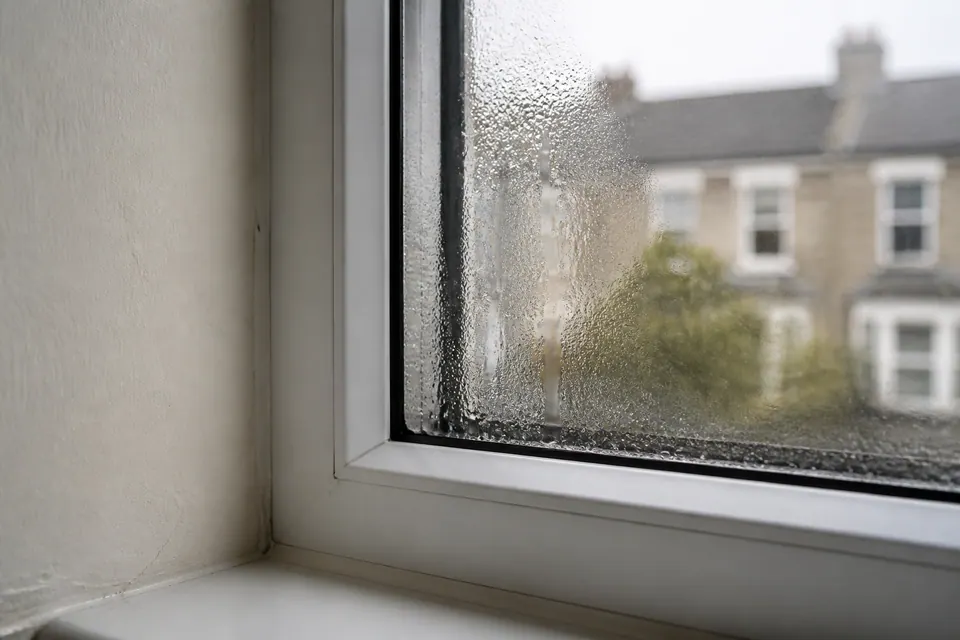
07 / WHEN IT COMES BACK
Identify whether it was within the earlier assessment or treatment list. A new observation elsewhere should not automatically be described as recurrence on treated material.
Keep its own history and current evidence. A broad original enquiry does not establish that every later concern was included in the agreement.
Use the same room names and surface references so new and previously treated areas remain distinguishable.
08 / ROOM-BY-ROOM CONTEXT
Name the affected finish rather than including the entire facility by assumption.
Show its position and material. The rest of the room remains a separate observation question.
Attach water history to the relevant patch, not all units or walls.
Use a fixed reference and separate dimensions for each marked finish.
Confirm explicit inclusion and the relevant access arrangement. It is not automatically part of a private-home scope.
Distinguish visible areas from concealed uncertainty and report known water history.
Wandsworth / ACCESS & PEOPLE
Keep clear photographs and measurements attached to the room name. These form the practical basis of the enquiry.
List them as questions rather than confirmed treatment extent. Additional assessment may be needed.
Do not label them as affected by association or certified clear by omission. The agreement concerns named assessed surfaces.
Document visible areas and arrange necessary booking permissions. A room list is not a legal responsibility decision.
Check that the quotation identifies the actual finishes rather than relying on a general instruction to treat the property.
Separate the known treatment list from desired repairs or broader investigation. Confirm exclusions before assuming comprehensive coverage.
Wandsworth / PLAN THE APPOINTMENT
Send the Wandsworth postcode with the affected-room list and access details. Confirm availability before booking the proposed work.
Identify uncertain or unavailable areas separately so the appointment does not depend on an assumed whole-property scope.
Load the area map.
Wandsworth / BEFORE BOOKING
A broad request becomes useful when the actual affected finishes are named.
You can explain the wider layout, but keep the proposed treatment list tied to observed or explicitly uncertain areas.
Provide separate affected dimensions so materials and locations remain identifiable.
No. Describe the evidence and uncertainty without extending a diagnosis across the home.
List it as uninspected or uncertain. Do not count it as confirmed growth before appropriate assessment.
No. A treatment boundary is not a certification of unseen or unassessed areas.
Obtain instructions for the actual agreed work rather than applying one blanket preparation rule.
Ask about the layout and applicable guidance. Passage and room use may need consideration beyond the named surface.
Compare the written room and finish list with your photographs, measurements and exclusions before confirming.
Identify its location and check whether it was previously assessed or treated. Do not assume a broad enquiry automatically included it.
MAKE THE WHOLE-HOME REQUEST SPECIFIC
Send the postcode, room references and individual dimensions. Keep hidden concerns and separate repair requests explicit so the proposed work can be checked.
Property illustrations do not document a whole-home customer assessment or certification.
