
Mice
Damage to food stored within the home.
Mice controlPEST CONTROL / FULHAM
Indoor signs and garden boundaries.
Keep two observation records.
Seeing a rodent by a boundary and finding a damaged packet indoors may feel connected. Report each separately: the assessor needs to decide what the evidence supports, rather than inherit a conclusion. For a Fulham home, explain which outside areas belong to the enquiry and which are beyond your control.
01 / START WITH THE EVIDENCE
Choose the likely concern, but leave identification open where signs are unclear.
Damage to food stored within the home.
Mice controlAn animal seen along an accessible exterior edge.
Rats controlPhysical signs close to an occupied bed.
Bed bug treatmentRepeated insects in a kitchen or utility area.
Cockroaches controlExplain the cupboard or room involved. A garden sighting does not establish that the same animal caused damage indoors.
Record the direction of movement and the boundary involved from a safe position. Do not follow the animal onto another property.
Report bedroom evidence independently of garden activity. Outdoor insects and skin irritation do not confirm a bed bug problem.
Describe where insects return and any moisture nearby. Provide a safe photograph if available rather than guessing from an outdoor encounter.
09 / FROM FIRST CONTACT
Expand the steps to keep access and findings aligned.

Give indoor marks and outdoor sightings distinct dates and positions.
Explain who controls side access, gates and any shared structures relevant to the report.
Ask whether the assessment includes the garden edge, an outbuilding or only occupied rooms.
Follow supplied instructions and keep people or animals away from restricted areas as directed.
Record which side of the building boundary each new sign belongs to.
Arrange any recommended repairs with the responsible owner or trade instead of sealing suspected routes on guesswork.
08 / THE CONTROL PLAN
The house and its surroundings may need different decisions.
Assessment can consider accessible indoor findings alongside exterior observations while recording what cannot be examined.
Agree the relevant rooms or areas and household instructions. An outdoor sighting alone should not turn into an indiscriminate indoor treatment.
Where openings, storage or maintenance are relevant, separate recommended changes from the treatment commitment and confirm ownership.
05 / PROPERTY BRIEF
Identify the gate and reachable exterior areas before discussing whether they belong in the assessment.
Explain whether the outdoor space is private, communal or not part of your accommodation.
A shed or detached store is not automatically covered by a booking for living rooms.
Arrange consent through the responsible person rather than assuming your front-door access extends to the passage.
Describe indoor findings and the household arrangements relevant to any proposed method.
Discuss your homeCheck whether Alesta can support that use. A home enquiry does not include commercial premises by extension.
Check the premises requirementsFULHAM / PROPERTY CONTEXT
The front door is a useful dividing line for the report, but not necessarily the limit of assessment. Agree which accessible exterior areas are relevant.
If your home has a side return, shared alley or garden building, identify it explicitly. If it has none, a simple room-based account is appropriate; the area name does not imply a particular layout.
A neighbour’s shed or inaccessible passage should be labelled outside your authority. Information about it may be relevant, but it cannot be treated as permission to enter or intervene.
Avoid sealing an opening solely because an animal was seen nearby. Coordinate any proofing recommendation with assessment so a suspected route is not altered prematurely.
07 / SCOPE BEFORE A QUOTE
Explain whether the enquiry concerns living accommodation alone or also an accessible exterior area. The quoted programme should make that boundary visible.
from £120
See published service pricingfrom £150
See published service pricing| Service | Pricing basis | Price |
|---|---|---|
| Mice control | Indoor mouse concern and included rooms | Price established through assessment |
| Rat control | Rat observations across agreed areas | Programme-specific quote |
| Proofing / repairs | Boundary defects or structural work | Separately commissioned work |
Starting figures were checked against the service guides on 27 August 2026. Confirm Fulham coverage, the full scope and any further-visit charges before committing.
06 / SIGNS → LOCATION → NEXT STEP
| Pest problem | Signs to describe | Areas to mention | Next step |
|---|---|---|---|
| Mice | Gnawed contents inside a cabinet | Occupied kitchen storage | Request assessment of the indoor mouse concern. |
| Rats | A rodent crossing an outside edge | Garden boundary or shared passage | Describe the sighting without pursuing the animal. |
| Bed bugs | Visible marks at a bed joint | The bedroom where someone sleeps | Seek identification of the physical evidence. |
| Cockroaches | Recurring insects by a sink | Interior kitchen fittings | Include timing and known moisture or product history. |
04 / AT A GLANCE
03 / OBSERVATION CHECKLIST
Record observations on each side of the threshold.
Do not approach wildlife, lift drain covers or disturb suspected nesting material.
State what was damaged and where it was kept, including whether the item had been moved from storage.
Give the room and time, not an assumed animal count or route.
Explain whether they were found inside or outside and when the area was last observed clear.
Keep resting-area findings separate from an outdoor incident that may be unrelated.
Record repeated positions and disclose any previous intervention in that room.
Describe what was seen, from where and in which direction. An uncertain glimpse should remain uncertain.
10 / PROBLEM → TREATMENT → CONTROL
Brief observations can miss activity. Use the assessment and agreed review process rather than treating one uneventful look outside as a result.
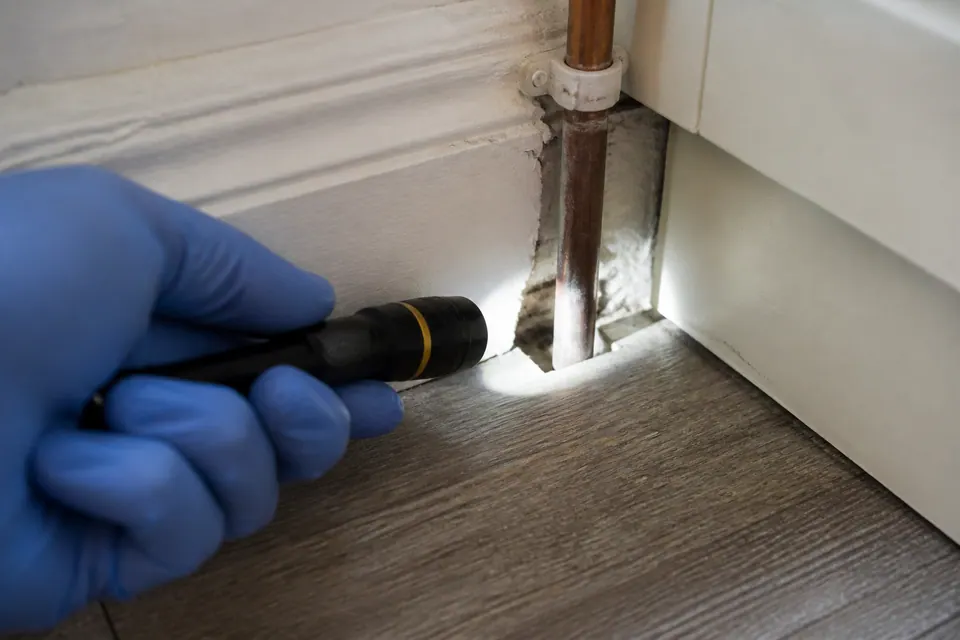
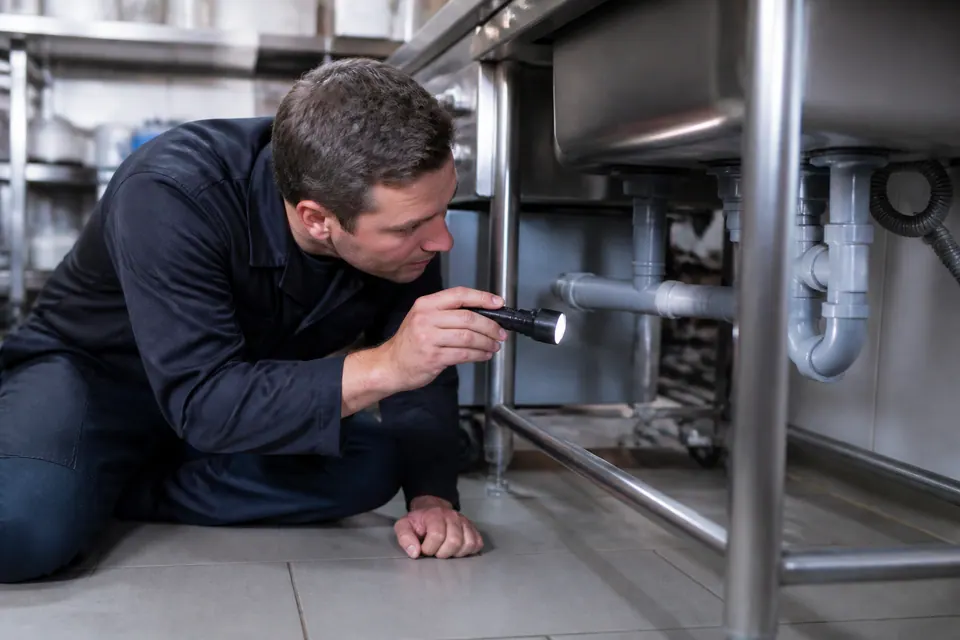
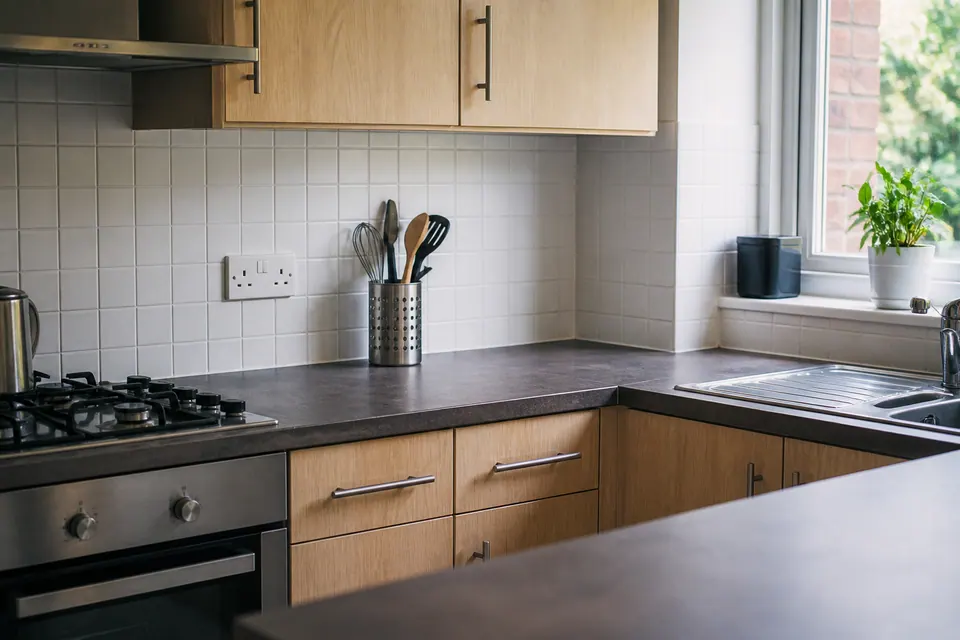
The images are illustrative, not records of a treated Fulham house or garden.
MAKE THE ENQUIRY SPECIFIC
Say that clearly. Do not add an indoor infestation to the account without supporting findings.
Identify the consent and key arrangements before making it part of the access plan.
List it as another structure and ask whether it can be included, rather than assuming the home quote covers it.
Attribute their report and avoid entering their land to investigate a proposed connection.
ADDRESS AND AVAILABILITY
Give the postcode and whether entry to the relevant exterior area passes through the home.
A shared or locked gate may require another contact. Check attendance availability before arranging that person’s time; this map shows the area, not a depot.
Open Fulham in Google Maps ↗13 / CLEAR EXPECTATIONS
Indoor damage and exterior movement should not be collapsed into a single unsupported story.
The proposed areas need to be accessible and authorised, not merely visible from the home.
Proofing and repairs should have an identified scope and responsible party.
FULHAM / QUESTIONS
Describe the animal and the garden position. The assessor will need to know whether anything has been found in the living accommodation too.
Not without the appropriate permission. Mention the boundary and who controls the adjoining land or passage.
Call it a possibility rather than a fact. Give the packet location and date alongside the exterior sighting.
Explain where the hole is and leave alteration to an agreed plan. Premature blocking can complicate assessment or trap animals.
Ask explicitly whether that separate structure is within scope and whether the requested service is suitable for it.
Keep a second-hand report attributed to the neighbour. It can be useful context without becoming your own observation.
Report the concern, but do not lift covers or attempt drainage investigation. Specialist drainage work is a separate matter.
Disclose the animals and how they use the garden before a method is agreed. Follow the specific restrictions supplied.
An absence during one observation does not establish that activity has ended. Use the review advice and report any new evidence.
Say whether it occurred indoors, at the original outside point or somewhere else. That helps distinguish a new location from the initial report.
15 / TAKE THE NEXT STEP
Call with a clear distinction between indoor findings and outdoor observations. Confirm coverage and the areas proposed for assessment before making access arrangements.
