
The sound is clearer in a neighbouring room
Record where each observation was made. A change in listening position is not proof that an animal moved along the route between them.
PEST CONTROL / NORTH FINCHLEY
A sound beside fitted storage
may be difficult to place.
Record when it occurs and whether it seems above, below or behind the unit. Keep any physical signs separately described and do not remove panels simply to pursue the noise.
MAKE THE ENQUIRY SPECIFIC
Record where each observation was made. A change in listening position is not proof that an animal moved along the route between them.
Preserve both descriptions with their times rather than forcing agreement about a concealed source.
Describe the circumstances plainly. A recording is supporting context, not a reliable species test.
Give the mark its own reference and discovery date. Do not retroactively treat it as evidence that the earlier sound was identified.
06 / SIGNS → LOCATION → NEXT STEP
| Pest problem | Signs to describe | Areas to mention | Next step |
|---|---|---|---|
| Mice | Visible cupboard droppings | Accessible shelf or floor | Keep distinct from noise |
| Rats | Possible rodent observations | Named indoor or exterior area | Avoid species inference from volume |
| Bed bugs | Physical bed traces | Sleeping furniture | Discuss appropriate identification |
| Cockroaches | Recurring kitchen insects | Named appliance | Supply dates and product history |
09 / FROM FIRST CONTACT
The enquiry can remain accurate without opening the unit.
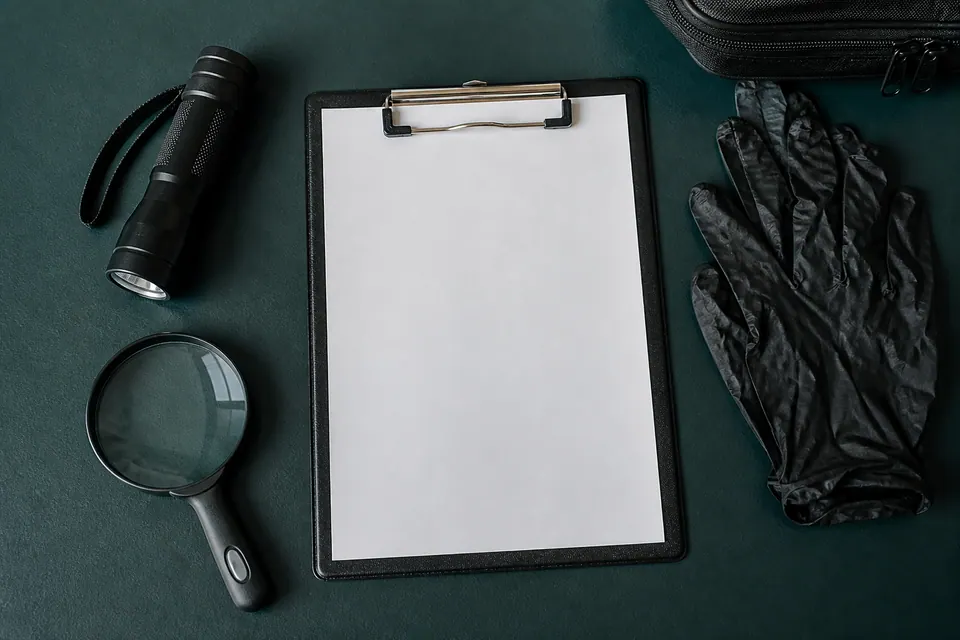
Provide postcode and room reference.
Describe timing and apparent direction.
Add separate physical findings and agree access scope.
Follow the preparation for the selected method.
Report later sounds and signs independently.
Coordinate any separate alteration through the responsible contact.
08 / THE CONTROL PLAN
A difficult-to-place sound should remain acknowledged as uncertain.
Accessible findings are compared with the timing and location account.
The method follows a supported problem within agreed areas.
Later observations inform review, with separate alterations clearly identified.
05 / PROPERTY BRIEF
Locate it within the flat’s private rooms.
Name the floor and nearby spaces.
Identify the owner for separate alterations.
Shared service areas require appropriate permission.
Commercial fixtures require separate suitability confirmation.
Check the premises requirementsADDRESS AND AVAILABILITY
Supply the complete postcode and affected room.
Coverage and appointment scope need confirmation with access limits disclosed.
Open North Finchley in Google Maps ↗07 / SCOPE BEFORE A QUOTE
An unexplained sound does not establish a treatment price. Confirm coverage, accessible scope and any separately needed alterations.
from £120
See published service pricingfrom £150
See published service pricing| Service | Pricing basis | Price |
|---|---|---|
| Mice control | Activity, access and programme | Quote after assessment |
| Rat control | Internal / external routes and visits | Quote after assessment |
| Proofing / repairs | Surveyed openings and separate work | Quoted separately |
Guides checked 27 August 2026. Clarify total, review and exclusions before booking.
NORTH FINCHLEY / PROPERTY CONTEXT
Start a North Finchley coverage enquiry with the room and the place from which the sound was heard. The apparent position relative to a cupboard is useful, even when the listener cannot confidently place it inside, above or behind the fitting.
Keep the original description consistent. If the position seems different on another occasion, record that as another observation rather than editing the first account to make a neat route.
A recording can accompany the time and location, but sound quality, volume and direction do not establish the species. Do not invite an occupant to dismantle the unit or enter a void just to obtain a stronger recording.
Physical evidence should be listed separately: a visible mark on the floor, for example, has its own location and age uncertainty. The assessment can consider whether it supports the audible report without assuming the connection.
03 / OBSERVATION CHECKLIST
Separate entries make the assessment question clearer.
Do not remove panels or disturb suspect material to obtain evidence.
Droppings or tracks need their visible surface location.
Scratching needs timing and apparent position.
Damaged packets retain their storage reference.
Bed-frame spotting or shed material differs from irritation alone.
Repeated insects need dates and previous products.
Exterior or nesting activity needs safe observation and suitability checked when unknown.
01 / START WITH THE EVIDENCE
The unit’s location does not identify the pest.
Droppings or damaged packets in accessible storage.
Mice controlPossible rodent signs in a separate location.
Rats controlPhysical traces around sleeping furniture.
Bed bug treatmentRecurring kitchen insects.
Cockroaches controlMouse concerns should include actual accessible signs rather than identifying the sound alone.
Rat reports need supporting observations, with exterior information separately located.
Bed bug enquiries require physical bedroom evidence where available; fitted-storage noise cannot establish them.
Kitchen insect sightings need their own dates, appliance reference and earlier products.
04 / AT A GLANCE
10 / PROBLEM → TREATMENT → CONTROL
Sound may be intermittent. Review should use the relevant observations and programme rather than a single silent period.
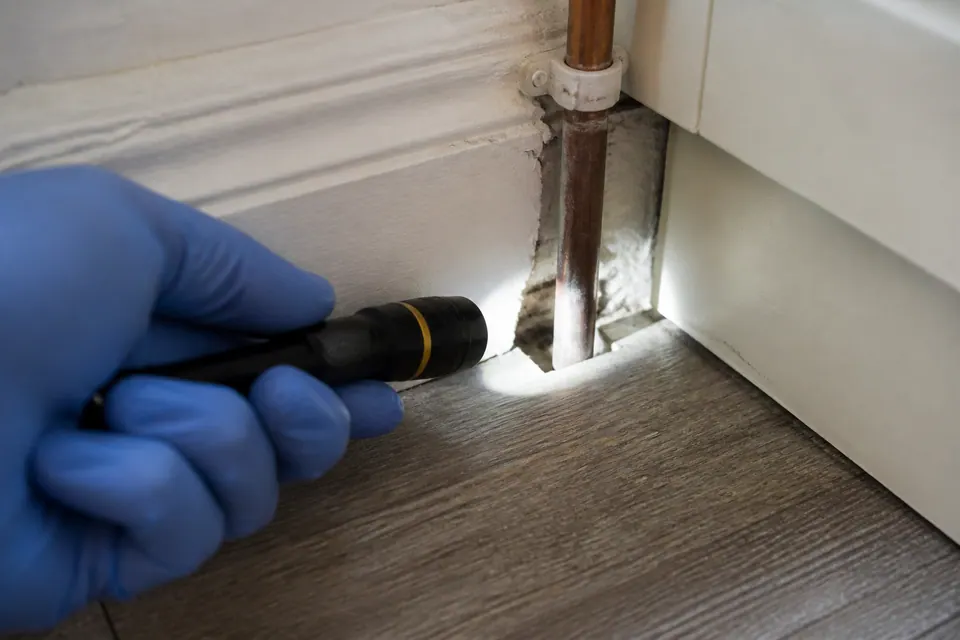
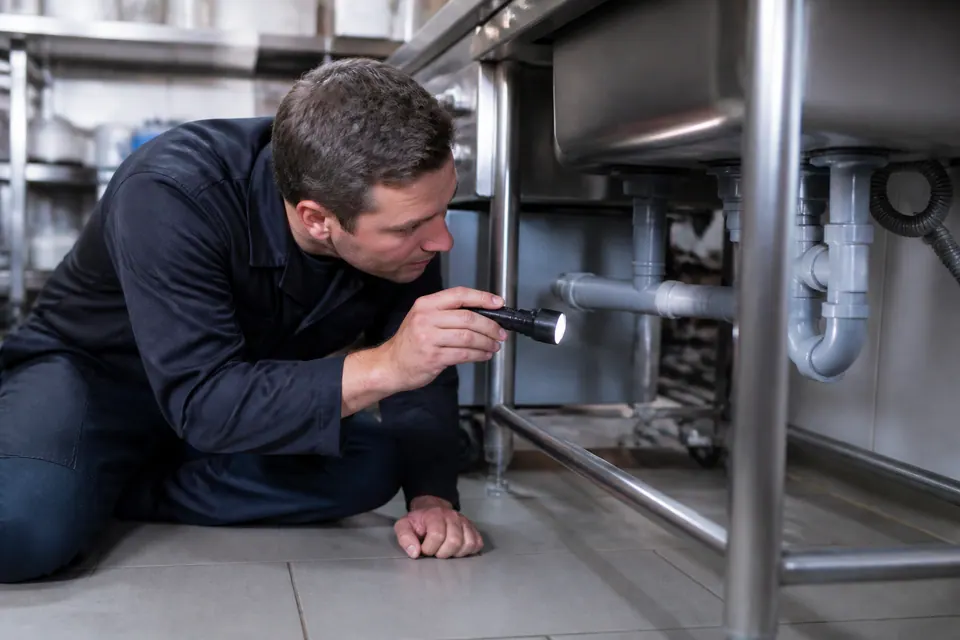
Illustrations are not a North Finchley concealed-space case or verified outcome.
13 / CLEAR EXPECTATIONS
Sound and physical evidence remain distinct.
Panel removal needs separate agreement.
The method should follow supported findings.
NORTH FINCHLEY / QUESTIONS
Retain the original entry and add the later occasion. That preserves the sequence without rewriting uncertain evidence.
Yes. Keep each account attributed and timed rather than merging them into a certainty neither person can support.
Volume is not a dependable species identification. Supply supporting physical observations if available.
No guarantee should be inferred. Include the listening position and acknowledge uncertainty about the concealed source.
Describe those positions accurately; transmitted sound may be difficult to localise from the room.
Do not alter fittings or investigate concealed spaces to improve a recording. Discuss the appropriate accessible assessment.
Not automatically. The mark and sound need separate consideration before a relationship is asserted.
Relevant context can help explain the account, but do not claim to have ruled out every alternative cause.
The species, exact source and appropriate response may remain uncertain until suitable assessment provides more information.
A date, approximate time, listening position and independent physical finding are more useful than a more confident guess.
15 / TAKE THE NEXT STEP
Check coverage with the postcode, timing and physical findings. Keep access limits and uncertainty explicit.
