
Mice
Damage reported by the person using a cupboard.
Mice controlPEST CONTROL / NORWOOD
Reports from more than one resident.
Start with a clear account.
Accounts can become confusing when one person relays another’s sighting as their own. Keep the source, room and date with each report so the assessor can separate direct evidence from uncertainty.
01 / START WITH THE EVIDENCE
An account becomes clearer when direct observations remain distinct from what someone heard about later.
Damage reported by the person using a cupboard.
Mice controlAn animal described through another resident’s message.
Rats controlPhysical signs noticed around one sleeping place.
Bed bug treatmentReports of insects that may describe separate or shared events.
Cockroaches controlRetain the item, room and discovery date instead of reducing it to a household-wide claim.
Keep uncertainty in the original description; a repeated label does not become a confirmed species.
Describe the actual physical finding independently of another person’s irritation or assumption.
Check dates and observers before calling several messages repeated activity.
NORWOOD / PROPERTY CONTEXT
When one resident makes contact for others, details can become more certain in retelling. Preserve who saw the event, where it happened and whether the date is approximate.
Check the Norwood postcode and requested service directly. A complete household message still does not confirm attendance or identify the pest.
If accounts differ, keep the difference visible rather than choosing the most confident version. The assessor needs to know what is unresolved.
Choose a contact to collate the information, not to invent missing details. That person should be able to ask residents for clarification where needed.
03 / OBSERVATION CHECKLIST
Preserving these details prevents a message chain from becoming a misleading incident count.
Do not ask people to disturb suspect material or enter unsafe places just to supply stronger evidence.
Distinguish the person who witnessed the sign from the person forwarding it.
Keep the discovery date separate from when the message was sent.
Use a stable room reference, especially where residents use different names.
Retain estimates and uncertainty instead of converting them into exact measurements or species labels.
Check whether accounts concern the same event before describing recurrence.
Collect relevant clearing, products or item movement from the people who carried it out.
04 / AT A GLANCE
05 / PROPERTY BRIEF
Keep each contributor’s evidence identifiable so questions can be clarified.
Name the actual room and its observer rather than merging personal findings.
Check whether several people saw one event or independent occurrences.
Preserve their original wording and uncertainty instead of filling gaps.
Disclose relevant people and animals before a method is proposed.
Discuss your homeKeep that report separate and clarify suitability rather than assuming residential work extends to it.
Check the premises requirements06 / SIGNS → LOCATION → NEXT STEP
| Pest problem | Signs to describe | Areas to mention | Next step |
|---|---|---|---|
| Mice | Material damage described by a cupboard user | Their actual storage location | Retain discovery details for assessment |
| Rats | An animal reported second-hand | Original viewing position if known | Keep species uncertainty explicit |
| Bed bugs | Physical signs at one bed | That occupant’s room and observation | Avoid borrowing another person’s diagnosis |
| Cockroaches | Several insect messages | Dates and observers for each event | Separate recurrence from repeated forwarding |
07 / SCOPE BEFORE A QUOTE
A Norwood proposal should identify the relevant rooms and work rather than imply every report automatically adds another treatment area.
from £120
See published service pricingfrom £150
See published service pricing| Service | Pricing basis | Price |
|---|---|---|
| Mice control | Activity, access and programme | Quote after assessment |
| Rat control | Internal / external routes and visits | Quote after assessment |
| Proofing / repairs | Surveyed openings and separate work | Quoted separately |
Confirm inclusions directly. Guides checked 27 August 2026; separate repairs or wider requirements are not assumed within targeted starting prices.
08 / THE CONTROL PLAN
A useful household summary can be concise while still showing uncertainty and independent sources.
Each finding retains its room and date, including estimates.
Conflicting details should be discussed with the relevant people instead of replaced by a confident guess.
The proposal then rests on the actual observations rather than the number of times they were mentioned.
09 / FROM FIRST CONTACT
This is an information process, not a promised diagnosis or treatment schedule.
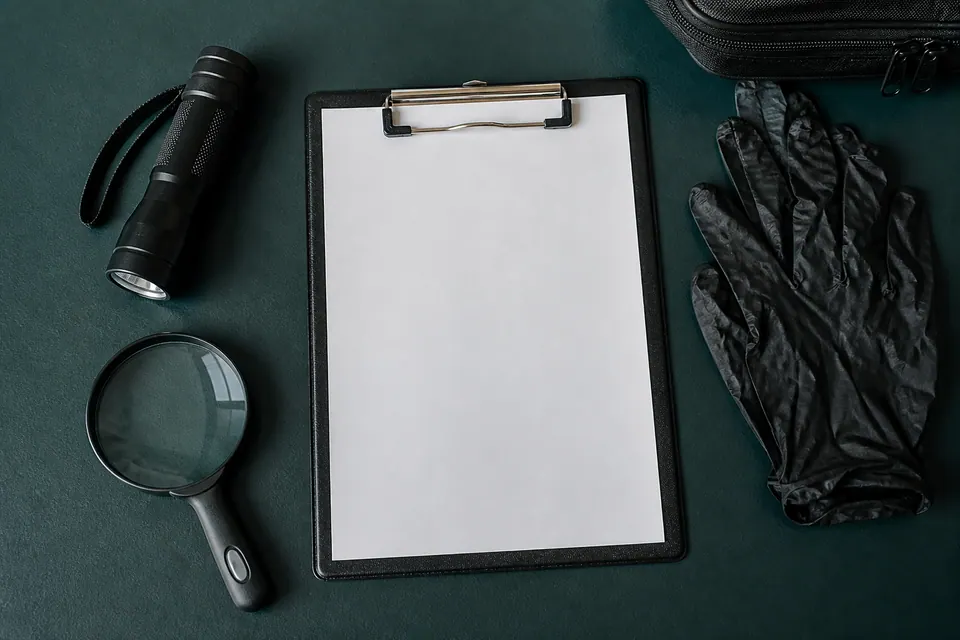
Retain who witnessed each sign and what was directly seen.
Separate when something happened from when it was forwarded.
Explain alternative names for the same room to avoid double-counting locations.
Do not turn approximate dates or a suspected species into certainty.
Pass on the actual preparation and aftercare rather than multiple interpretations.
Give new observations their own dates and sources instead of recycling earlier reports.
10 / PROBLEM → TREATMENT → CONTROL
People may share an impression after attendance, but review still needs the actual later evidence and the agreed guidance.
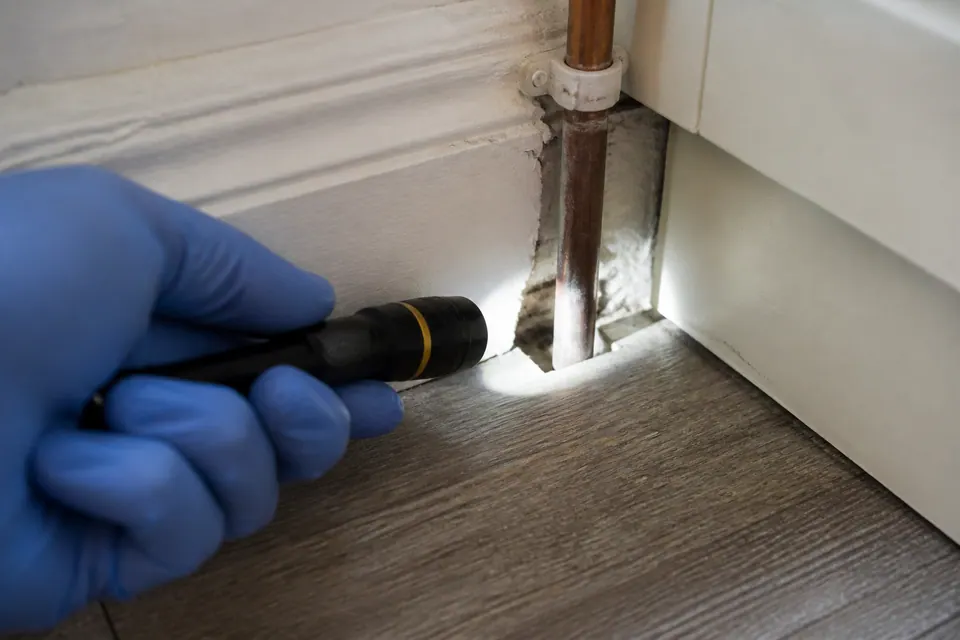

Illustrations are not Norwood resident records or proof of customer treatment outcomes.
MAKE THE ENQUIRY SPECIFIC
Retain the estimate unless the observer can genuinely clarify it.
Keep the identification qualified until supported by assessment.
Count independent observations rather than messages.
Preserve the discovery date instead of using the forwarding date.
ADDRESS AND AVAILABILITY
Check the postcode and service, then identify the rooms and original observers relevant to the report.
The map provides area context only and does not verify a forwarded account or appointment.
Open Norwood in Google Maps ↗13 / CLEAR EXPECTATIONS
Separate messages should not multiply one observation into recurring activity.
Approximate or disputed details remain visible rather than silently resolved.
Actions by all relevant residents, including products, belong in the history.
NORWOOD / QUESTIONS
Yes, while preserving the source and details of each account.
Yes, unless genuine information resolves them rather than retelling alone.
Keep the difference visible and seek clarification from the direct observers.
Compare dates, positions and who actually witnessed the event.
Yes; sending today does not mean the finding occurred today.
A suspected label should remain qualified, not become everyone’s diagnosis.
Explain the alternatives so one physical space is not counted twice.
Yes, even when the person arranging the enquiry did not apply it.
They need the relevant confirmed instructions; the enquiry contact should retain the traceable evidence.
Give its own observer, date and location, separate from earlier events.
15 / TAKE THE NEXT STEP
Keep observers, dates and uncertainty attached to the findings so the proposal is based on evidence rather than repeated messages.
