
Mice
Droppings or damaged packets in shared storage.
Mice controlPEST CONTROL / ILFORD
Several people use the kitchen.
The report should still be clear.
Between sightings, one person may clean, another move food and a third apply a product. A short shared record preserves that sequence so the enquiry reflects what happened instead of conflicting recollections.
01 / START WITH THE EVIDENCE
These four linked services are confirmed options; uncertainty should remain visible until assessment.
Droppings or damaged packets in shared storage.
Mice controlPossible larger signs in an accessible area.
Rats controlPhysical traces from an individual sleeping room.
Bed bug treatmentRecurring insects around kitchen equipment.
Cockroaches controlFor suspected mice, establish which shelf supplied evidence and who observed it. One person’s discovery should not be reported as several separate sightings.
A rat concern needs its actual location and any relevant outside observations, with the account kept distinct from general kitchen worry.
Bedrooms are separate observation areas. Skin irritation or a housemate’s concern alone does not establish bed bugs in every room.
For recurring insects, combine the sighting dates with cleaning and products used between them. That history helps avoid an incomplete assessment brief.
ILFORD / PROPERTY CONTEXT
Check coverage with the property postcode. Then nominate someone to collect observations without converting them into a more certain diagnosis.
Use recognisable references such as the left sink cupboard or the shelf above the fridge. Different names for the same place can make one finding sound like several.
Each entry should distinguish what was seen from what someone was told. Include the date of any cleaning or product application that followed.
Preparation needs to reach everyone who uses the space. An instruction sent only to the booking contact is not enough if another occupant continues changing the area without knowing the plan.
03 / OBSERVATION CHECKLIST
A shared log should record observations, not amplify uncertainty.
Do not handle suspect waste or move contaminated items to demonstrate a point to housemates.
Droppings or tracks need a location and the name or account of the person who first noticed them.
Scratching should be recorded by time and position, without treating every retelling as a separate episode.
Damaged food packets need their storage reference and discovery date.
Bed-frame spotting or shed material belongs against the relevant bedroom; skin irritation is a different report.
Repeated kitchen insects need dates, appliance references and any products applied between sightings.
Outside activity or nesting material should remain a separate safely observed account, with unknown species checked for suitability.
04 / AT A GLANCE
05 / PROPERTY BRIEF
Identify cupboard ownership where useful while keeping the actual observation location clear.
The resident contact may collect the history while the landlord handles authorisation for wider work.
Kitchen findings do not automatically establish a problem in every sleeping room.
Access and approval for communal facilities need the responsible person’s involvement.
The residential plan should be communicated to everyone expected to prepare or avoid the affected area.
Discuss your homeCommercial suitability and food-premises requirements need separate confirmation, not a residential booking assumption.
Check the premises requirements06 / SIGNS → LOCATION → NEXT STEP
| Pest problem | Signs to describe | Areas to mention | Next step |
|---|---|---|---|
| Mice | Droppings or packet damage | A consistently named shelf | Record the original discovery once |
| Rats | Possible larger-animal evidence | Exact private or shared area | Attribute the observation accurately |
| Bed bugs | Spotting near sleeping furniture | The relevant bedroom | Keep its evidence separate from kitchen reports |
| Cockroaches | Repeated appliance-side insects | Named equipment and date | Add intervening cleaning and products |
07 / SCOPE BEFORE A QUOTE
A household discussion should settle the included areas and decision-maker before accepting a quote. Shared use does not itself make every room part of the same treatment.
from £120
See published service pricingfrom £150
See published service pricing| Service | Pricing basis | Price |
|---|---|---|
| Mice control | Activity, access and programme | Quote after assessment |
| Rat control | Internal / external routes and visits | Quote after assessment |
| Proofing / repairs | Surveyed openings and separate work | Quoted separately |
Guides checked 27 August 2026. Confirm postcode coverage, the full price and whether monitoring or further attendance is included.
08 / THE CONTROL PLAN
The plan needs the cooperation of the people using the area.
The assessment considers direct findings and the sequence of observations, cleaning and earlier products.
The chosen method and preparation are communicated consistently so occupants do not work against the agreed arrangements.
One reliable contact can collect later observations and pass them on under the review guidance.
09 / FROM FIRST CONTACT
Coordination is practical: dates, locations and clear recipients for the instructions.

Start a concise record with the postcode and direct observations.
Check whether repeated messages describe one discovery or separate events.
Identify the authoriser and included areas when the method and quote are discussed.
Ensure each occupant understands the supplied preparation and any restrictions.
Collect fresh reports without counting the same shared photograph multiple times.
Assign separate maintenance recommendations to the person able to arrange them.
10 / PROBLEM → TREATMENT → CONTROL
People may use the room at different times. Progress should be judged through the agreed review and actual findings, not simply whether the most vocal occupant has seen anything recently.
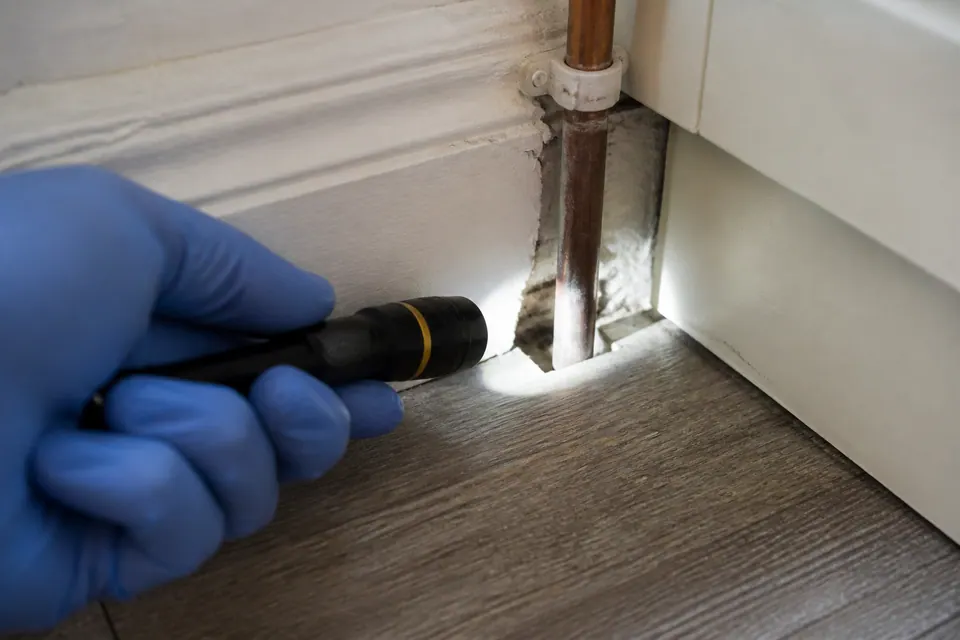

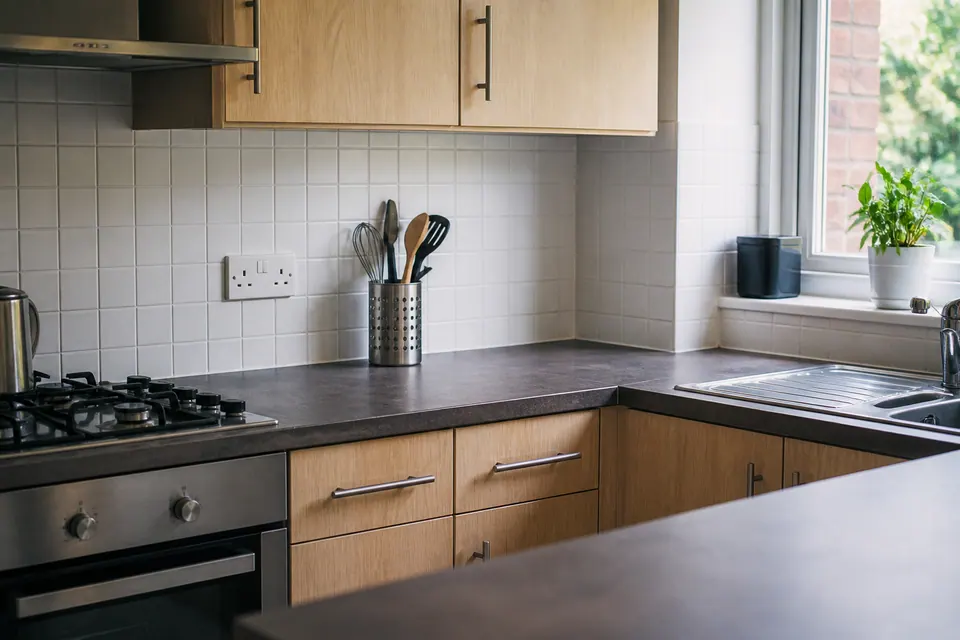
The scenes illustrate a process; they are not photographs or outcomes from an Ilford shared home.
MAKE THE ENQUIRY SPECIFIC
Identify the original event so it is not counted as three separate appearances.
Record the cleaning date and the original observer’s account without asking for unsafe reconstruction.
Try to obtain the product details and timing for disclosure; do not omit the intervention because it was not coordinated.
Arrange another informed adult contact and make sure preparation and aftercare reach the household.
ADDRESS AND AVAILABILITY
Supply the full postcode and the agreed access contact for the home.
Coverage and an appointment must be confirmed. Several residents being available does not itself establish a booking.
Open Ilford in Google Maps ↗13 / CLEAR EXPECTATIONS
Repeated forwarding should not inflate the reported level of activity.
The assessment needs interventions by any occupant, not only the person who booked.
Preparation and review advice must reach the people using the area.
ILFORD / QUESTIONS
A simple dated record with location and observation is enough to organise the enquiry; it is not a substitute for assessment.
One clearly dated copy with its source is more useful than duplicates presented as separate findings.
State the uncertainty and the discovery date. Do not invent an appearance date to fill a gap.
Private access and included areas must be agreed. A kitchen booking does not automatically authorise entry to every bedroom.
Follow the supplied preparation and respect ownership; avoid uncoordinated movement of suspected items.
Yes. Include relevant cleaning or treatment interventions by anyone using the space.
It can distribute the exact guidance, but household assumptions should not replace booking-specific advice.
Arrange an informed adult who understands the observations and access agreement, with an authoriser reachable if needed.
Keep each direct observation dated and attributed instead of forcing agreement on an unsupported conclusion.
Only the agreed scope is included. Ask the quote to distinguish the kitchen from bedrooms, communal areas and separate repairs.
15 / TAKE THE NEXT STEP
Check coverage with a shared record of the findings and earlier interventions. Agree an informed contact so the preparation and subsequent guidance reach the whole household.
