
Mice
Food damage in one storage location.
Mice controlPEST CONTROL / BARNET
A clear room list
beats an approximate property size.
In a home with unused rooms, separate storage or several floors, describing the whole address as affected can obscure the evidence. Start with where signs were found and identify the spaces nobody has checked.
01 / START WITH THE EVIDENCE
A report from one room does not establish the same pest throughout a property.
Food damage in one storage location.
Mice controlMovement reported along a building edge.
Rats controlTraces associated with a particular bed.
Bed bug treatmentRepeated sightings in a kitchen zone.
Cockroaches controlFor mouse concerns, name each cupboard with actual evidence rather than counting every kitchen cupboard as affected.
Rat-related observations outside and inside should have separate locations, especially where detached storage is involved.
State which bedroom supplied physical evidence. Do not label all guest rooms affected on the basis of one report.
Specify the appliance or unit where insects appeared; neighbouring rooms can be listed as unexamined rather than infested.
BARNET / PROPERTY CONTEXT
Check your postcode first, then give a room list that distinguishes observations from unknowns. Floor area alone does not explain the work.
Use ordinary room names that everyone recognises. Two rooms both called the spare room can lead to the wrong area being prepared.
Identify detached garages, locked cupboards and unused floors as separate entries. Mention who can open them and whether examination is being requested.
If more evidence appears after the quote, report the additional room. The original boundary should be reviewed, not silently expanded.
03 / OBSERVATION CHECKLIST
A reliable inventory distinguishes evidence from the number of rooms in the building.
Do not handle suspect waste or enter a hazardous space to complete a room list.
Droppings or tracks need a room reference; their presence does not establish the condition of every other room.
Scratching should be recorded by floor and position, without treating the sound as confirmed identification.
Gnawing or torn packaging belongs against the stored object and its previous position.
Spotting or shed material should be tied to the particular bed. A skin reaction is not proof of bed bugs.
Repeated insect sightings need the appliance or furniture reference where they occurred.
Nesting material or exterior movement at an outbuilding needs a separate account, observed without disturbance.
04 / AT A GLANCE
05 / PROPERTY BRIEF
Identify occupied and unused bedrooms separately, along with the rooms supplying evidence.
Explain whether the annexe has independent access and whether it belongs in the requested assessment.
A shed or garage is not automatically included because it shares the postal address.
A flat’s room list does not authorise examination of another dwelling.
List the spaces concerned before discussing the size of the programme.
Discuss your homeIf any area is used commercially, check suitability and requirements rather than folding it into a residential quote.
Check the premises requirements06 / SIGNS → LOCATION → NEXT STEP
| Pest problem | Signs to describe | Areas to mention | Next step |
|---|---|---|---|
| Mice | Damaged food in a named cupboard | The particular kitchen storage zone | Add other rooms only when supported |
| Rats | External traces or internal movement | List home and outbuilding separately | Discuss which areas need assessment |
| Bed bugs | Bed-frame spotting in one room | Name that bed and adjacent furniture | Do not assume all bedrooms are affected |
| Cockroaches | Insects repeatedly beside one unit | Identify the relevant appliance zone | Describe adjacent areas as known or unchecked |
07 / SCOPE BEFORE A QUOTE
Compare proposed scopes, not just headline figures. A price covering one targeted zone is not directly equivalent to a wider programme across several spaces.
from £120
See published service pricingfrom £150
See published service pricing| Service | Pricing basis | Price |
|---|---|---|
| Mice control | Activity, access and programme | Quote after assessment |
| Rat control | Internal / external routes and visits | Quote after assessment |
| Proofing / repairs | Surveyed openings and separate work | Quoted separately |
Published guides checked 27 August 2026. Confirm location coverage, included areas and how any newly reported room would be priced.
08 / THE CONTROL PLAN
The room list is a starting document, not a promise that the problem cannot extend further.
Accessible findings establish the initial working areas and reveal where information remains missing.
The agreed programme names its included zones and avoids implying whole-property coverage without assessment.
Later evidence can justify a change, with any added work discussed before it is assumed included.
09 / FROM FIRST CONTACT
Use consistent room names from the enquiry to the review.
Supply the affected, accessible and unchecked areas as separate groups.
Explain any locked or obstructed room before examination begins.
Ask the proposed quote to identify the zones and tasks it covers.
Prepare the named areas according to the instructions provided.
Report a finding in a new room with its own date and description.
Clarify whether a recommendation concerns the existing scope or a separately agreed extension.
10 / PROBLEM → TREATMENT → CONTROL
Judge progress against the agreed observation areas. Neither an attractive room photograph nor an unchecked spare room establishes a complete property result.
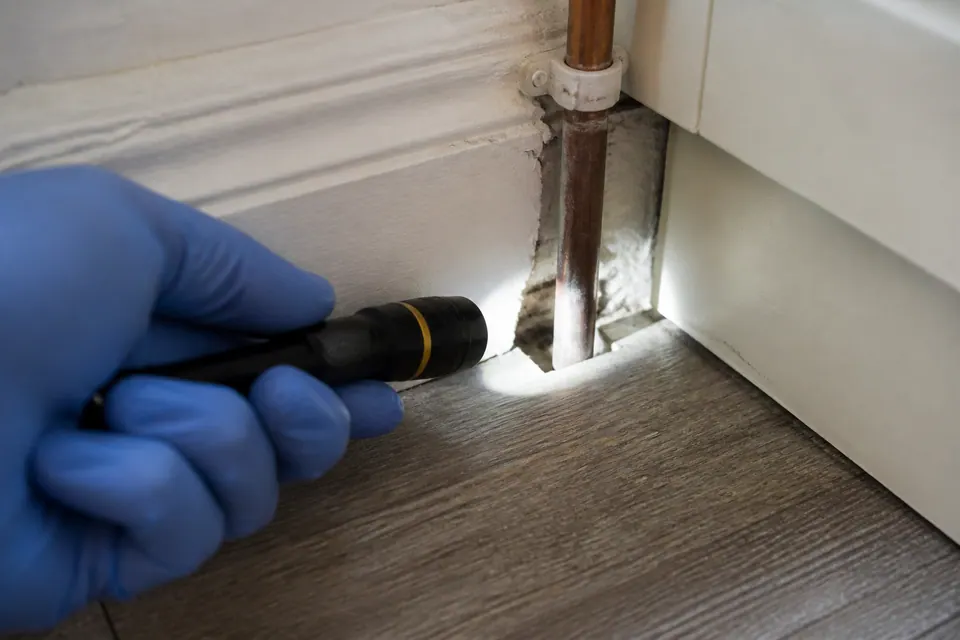
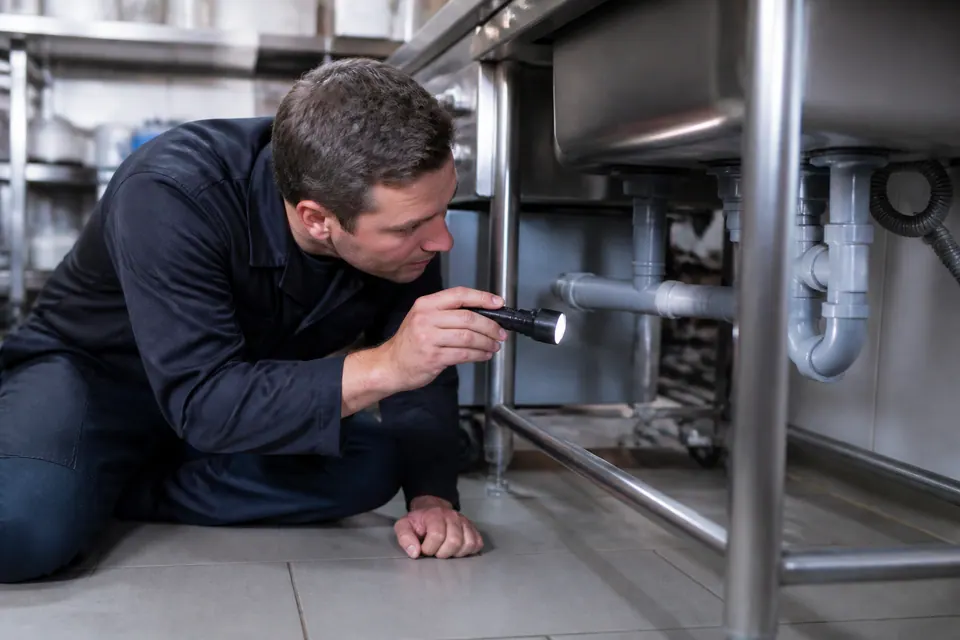
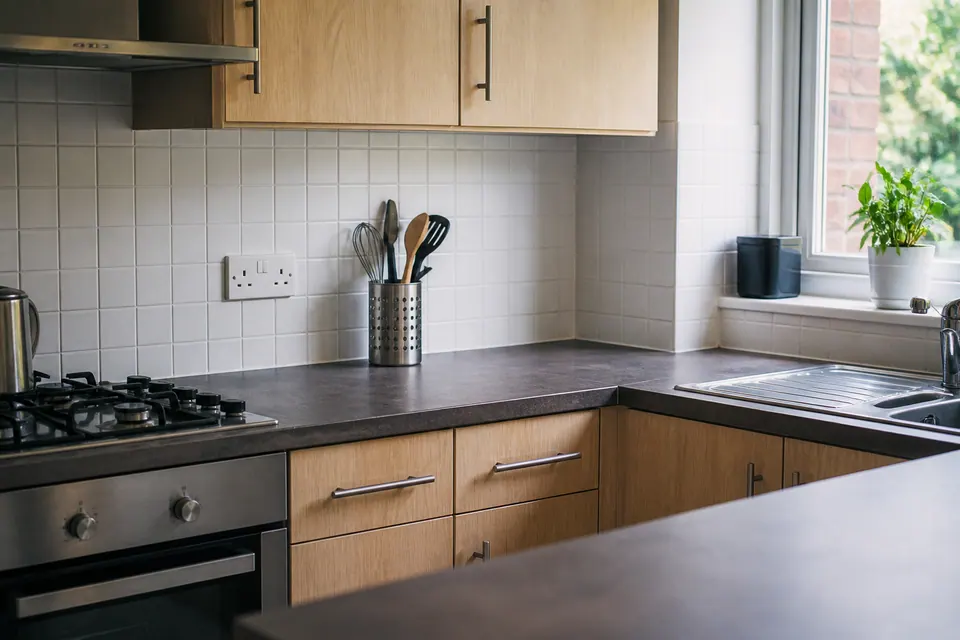
Illustrative scenes demonstrate stages, not a survey of a Barnet home.
MAKE THE ENQUIRY SPECIFIC
Explain who holds the key and whether inspection can be arranged; do not mark it examined by default.
Describe its relationship to the home and what was found there before requesting inclusion.
Report it promptly and ask whether the proposed programme needs revising.
Ask for a clearer description of rooms, areas and tasks so both parties understand the boundary.
ADDRESS AND AVAILABILITY
Supply the postcode and explain any annexe or separate entrance that could cause confusion.
Coverage must be confirmed. A shared postal address alone does not settle the extent of the requested inspection.
Open Barnet in Google Maps ↗13 / CLEAR EXPECTATIONS
Room references make the quote easier to understand and compare.
An inaccessible location should remain visible as a limitation.
Additional rooms need discussion rather than an assumed extension.
BARNET / QUESTIONS
Use a practical distinction such as floor and position so the booking contact and technician refer to the same place.
It is only part of the description. Pest findings, access and the selected method also matter.
Yes. Describe its status accurately without claiming it is affected simply because it is empty.
Mention it if relevant, including access limitations and whether there are observations or only a concern.
Not automatically. Identify the structure and ask whether the proposed assessment covers it.
Yes, supply the new information and ask whether the scope or price needs review.
No. An unchecked room is different from one that has been examined without relevant findings.
Arrange permission and the key through the responsible contact before assuming access will be possible.
A photograph can help explain the report, but it does not establish that concealed areas have been inspected.
It should distinguish additional areas or work from what was already agreed, including any change in visit arrangements.
15 / TAKE THE NEXT STEP
Check coverage with your postcode, then describe the places with evidence and the spaces that remain unknown. That gives the next conversation a useful boundary.
