
A few items
One vulnerable piece needs an individual assessment.
Hampstead / Storage for Delicate Furniture
Condition belongs beside dimensions.
Discuss Hampstead furniture storage with clear notes on glazing, joints and finishes so preparation and suitability can be considered together.
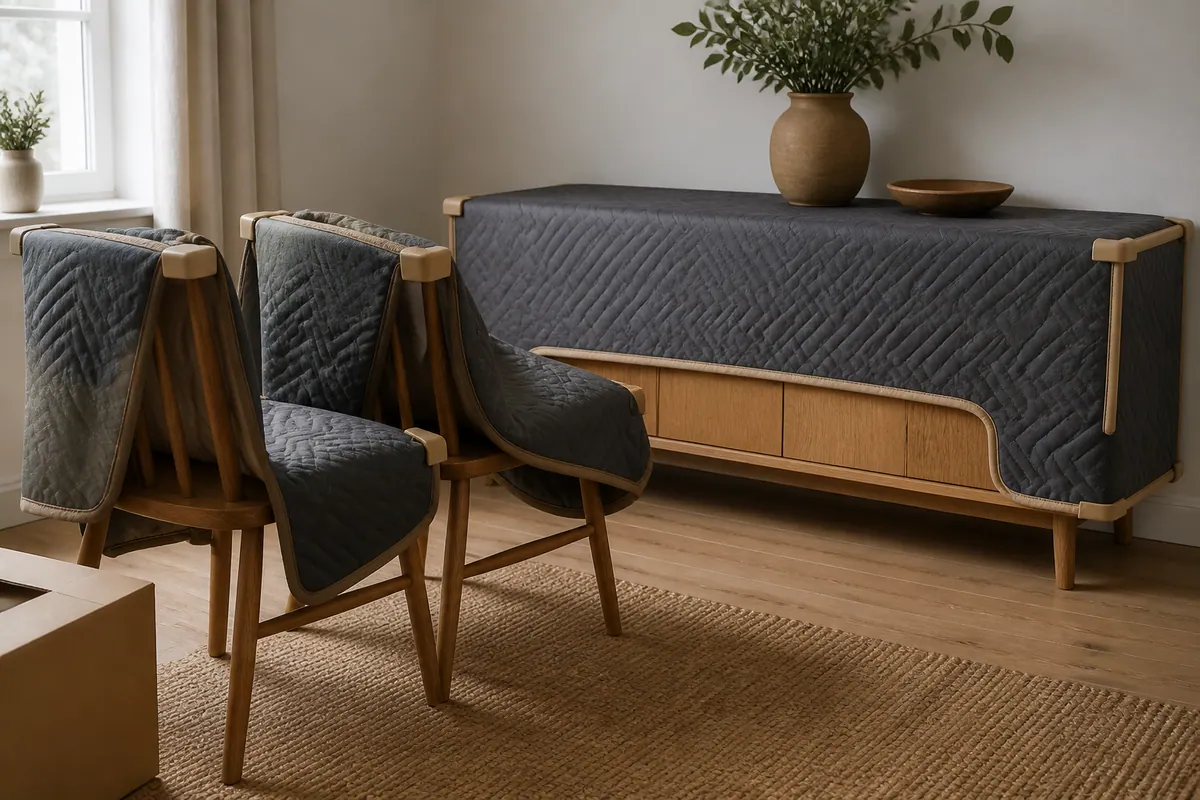
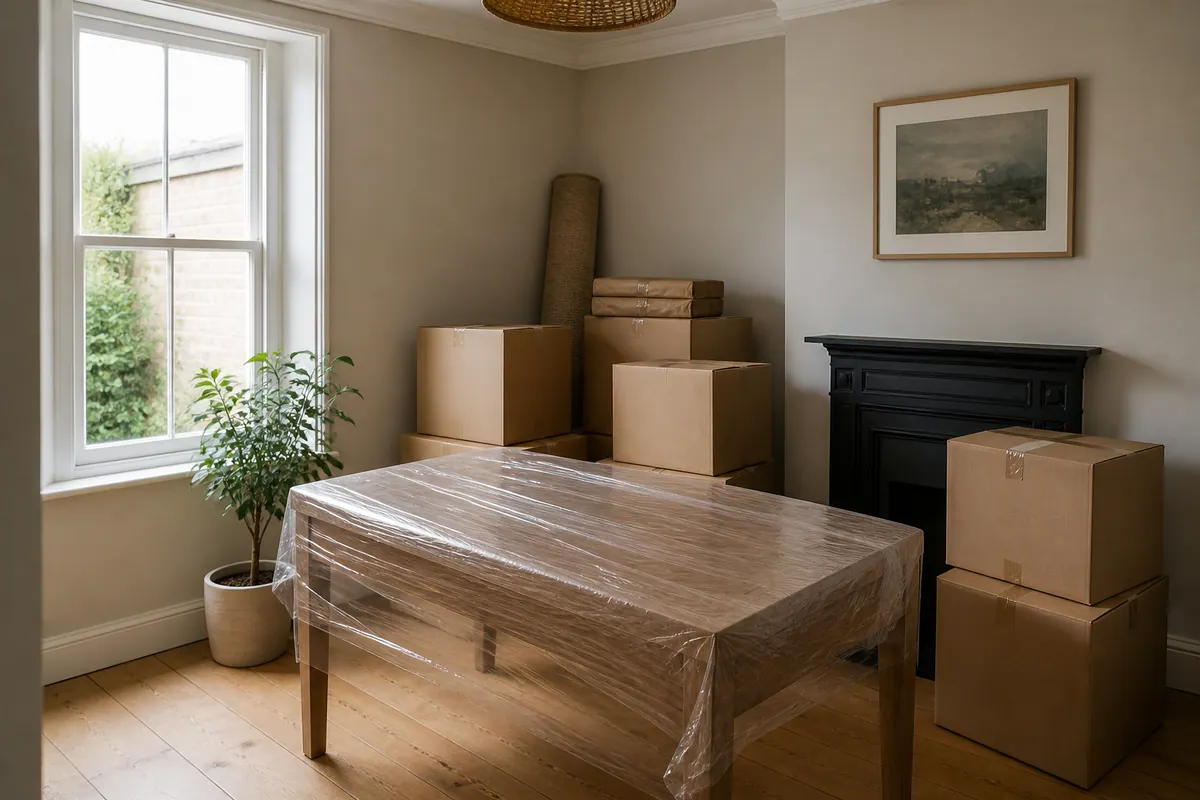
Hampstead, before collection day
For Hampstead furniture storage, the construction of a dresser or glass-fronted cabinet can be as important as its size. State what is loose, vulnerable or already marked rather than leaving condition to be inferred from a wide room photo.
Upholstered seating and glazed furniture may need different preparation. Ask about protection and suitability for the declared pieces; ordinary household coordination does not establish specialist conservation conditions.
The return room should be ready to receive the furniture through a workable route. A finished decorating programme and a confirmed delivery are separate matters.
Plan the route out of your property ↓Dimensions before estimates
Protection and vulnerable surfaces can affect how pieces are arranged. Gross furniture dimensions are useful but do not prove safe stackability.
One vulnerable piece needs an individual assessment.
Describe the selected furniture’s surfaces and construction.
Keep condition notes associated across room inventories.
Allow the assessment to consider protection and stacking limits.
Specialist conservation requirements are not established here. Declare them before assuming a household arrangement is suitable.
Collection is part of the storage plan
Show the route with the cabinet’s width and vulnerable glazing in mind.
Describe loose joints or panels before any handling plan is agreed.
Record the seating’s assembled shape and fixed projections.
Clarify who can answer condition and preparation questions during collection.
Photograph loose panels, glass and existing marks before agreeing handling.
Flats and apartments: record vulnerable surfaces along the route. Mansion blocks: check shared handling access for glazed pieces. Houses: show the starting rooms and condition concerns. Rental or managed properties: name a contact able to clarify the furniture notes.
Plan the return before the departure
Return delicate furniture when the room and access are ready, not simply when an estimated work date arrives. Keep each piece’s notes connected to its inventory identity.
Need earlier
Need later
Keep irreplaceable records and valuables separately. Selected release and its handling, notice and cost must be confirmed for the arrangement.
Any earlier carton request should use references that distinguish it from the protected furniture.
Do not treat wrapped fragile pieces as supports for other goods; discuss grouping and protection.
Later furniture returns still need confirmed notice and receiving access.
Choose your starting point
Choose furniture, then explain the specific condition concerns in the enquiry rather than relying only on category guidance.
Inventory focus
Explain the contents and fragility of Hampstead cartons alongside the protected furniture list. Keep material-sensitive objects identifiable and avoid assuming one preparation suits every piece.
Add this to your inventory ↓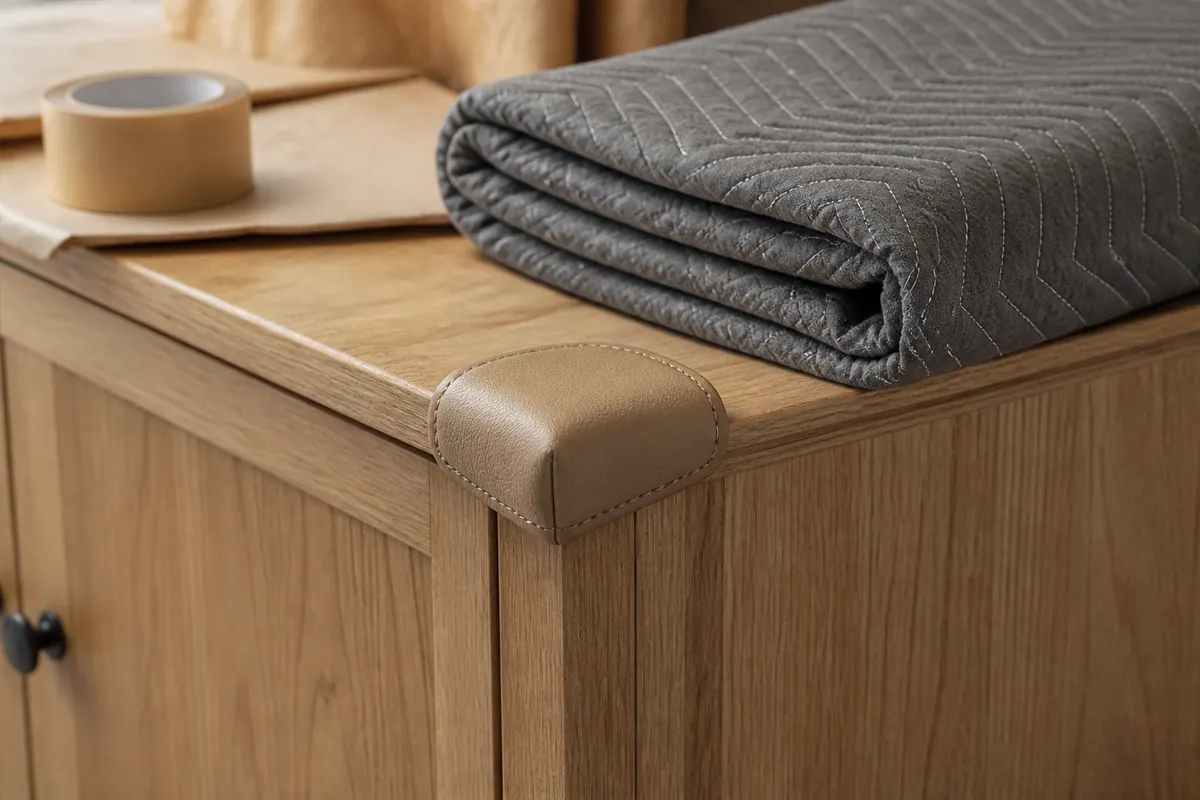
A useful first conversation
Add dimensions together with condition details, glazing and loose sections. The counters cannot represent a material sensitivity on their own.
What changes at home?
A renovation clearance should identify the fragile pieces leaving and the everyday furniture staying in use.
Retained furniture awaiting a new room layout still needs an agreed duration and release plan.
If a condition concern emerges during preparation, have it reviewed rather than hiding it under wrapping.
Where a piece requires specialist treatment, seek explicit confirmation instead of assuming household storage covers it.
One connected arrangement
Record Hampstead furniture condition alongside dimensions.
Check the route for glazing and vulnerable sections.
Agree material-appropriate protection before handling.
Confirm collection of the specifically assessed pieces.
Review the proposed environment and contractual conditions.
Arrange return when the receiving room is ready.
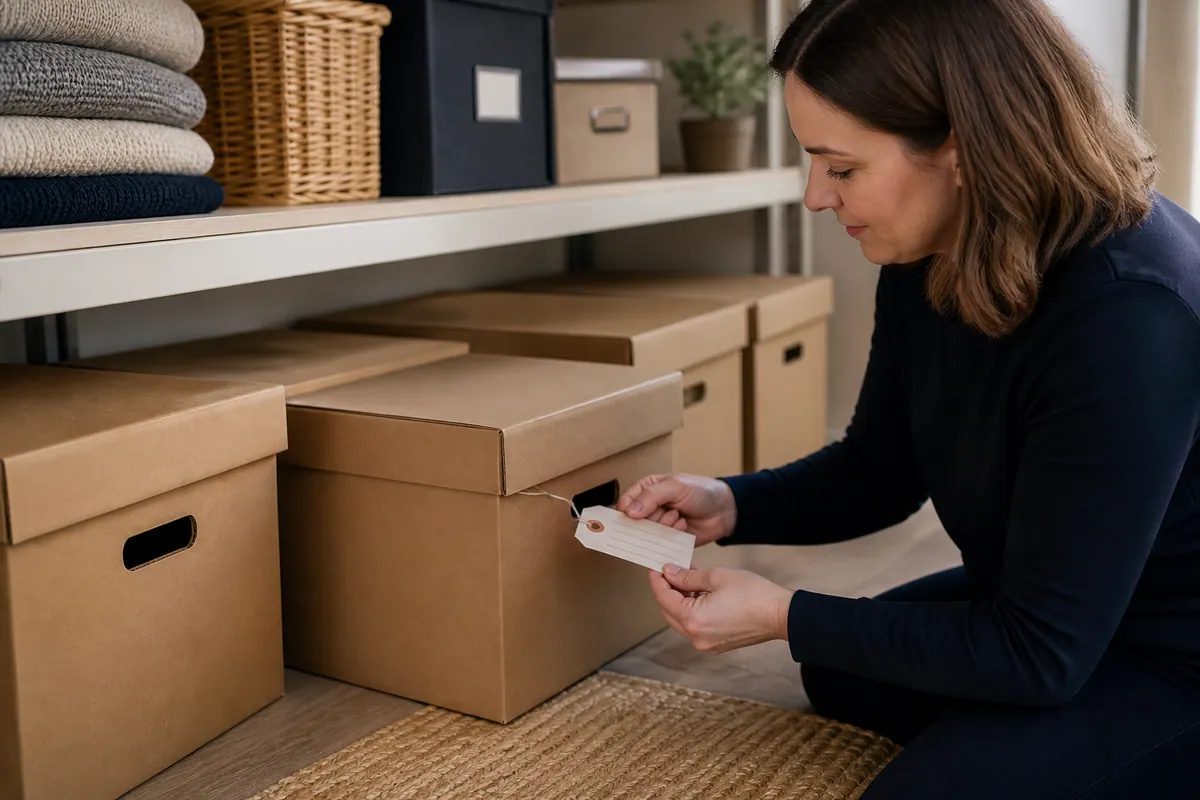

The timetable can change
| Planning point | A shorter gap | A longer arrangement |
|---|---|---|
| Typical purpose | A short furniture clearance with known material needs | An extended wait requiring careful suitability review |
| Preparation | Protect the declared glazing and surfaces for handling | Check preparation against the actual duration and sensitivity |
| Retrieval | Return pieces when the room and route are usable | Identify any separate earlier carton requirement |
| Duration | Confirm a term appropriate to the assessed goods | Discuss extensions before changing the holding period |
| Quotation | Quote named protection and transport work | Clarify additional term or specialist requirements |
Confirm duration and suitability together, with notice and insurance conditions reviewed. No preservation guarantee follows from a general storage booking.
Scope first. Quote second.
Ask how the named protection and handling requirements are included. Neither insurance coverage nor specialist conditions should be inferred from a general storage total.
| Service scope | Price approach | Main factors |
|---|---|---|
| Volume & access assessment | Assessment of the declared furniture and condition | Dimensions, glazing, loose sections and material needs |
| Collection & placement | Handling quote after reviewing the route | Protection tasks, preparation and carrying constraints |
| Ongoing storage | Price the proposed furniture interval | Confirmed suitability and expected duration |
| Final retrieval / delivery | Return to a ready receiving space | Access and the specific pieces being released |
Check what protection and handling the quote includes. Insurance choices and specialist conditions require explicit agreement, not assumptions based on careful-looking packaging.
Keep the move connected
Connect protected furniture storage with a household move where needed.
Discuss transport suitable for the declared vulnerabilities.
Agree preparation that addresses glazing, surfaces and loose sections.
Plan return handling after the destination room and route are ready.
Alesta customer feedback / Furniture removal & packing
“I used Alesta Services for furniture removal and packing when I moved houses. The team was incredibly careful with my belongings and made the whole process seamless.”
James W. · Existing Alesta review, not a storage testimonial for Hampstead.
Direct answers before you book
Dimensions, construction, relevant condition and the route through the property.
Record them clearly before agreeing handling, linked to the correct item.
No guarantee is made; discuss suitable preparation and conditions for the material.
Declare glazing and loose parts so suitability and handling can be reviewed.
They are not established by this household page and require explicit confirmation.
Different materials may need different preparation; ask about the actual pieces.
Mention it before collection rather than relying on wrapping to conceal the issue.
Confirm room readiness and then arrange delivery under the agreed process.
Clarify available choices, conditions and exclusions in writing.
Do not assume that; fragile surfaces and safe grouping need consideration.
No. It shows area context, not an asserted local warehouse.
Hampstead / Service area
For Hampstead, share the collection address together with condition and route details when enquiring about Storage Services.
Discuss a suitable holding arrangement for the declared materials. The receiving room and route should be confirmed before delivery is requested.
A little space. A clear next step.
Discuss Hampstead furniture storage with clear notes on glazing, joints and finishes so preparation and suitability can be considered together.
