
The upstairs room clears
Clearing an upstairs room calls for an internal route description even where vehicle access looks uncomplicated.
Highgate / Storage with Internal Stairs in Mind
The internal staircase is part of the collection.
Plan Highgate household storage with upstairs furniture, landing clearance and the full exit route described alongside your item list.
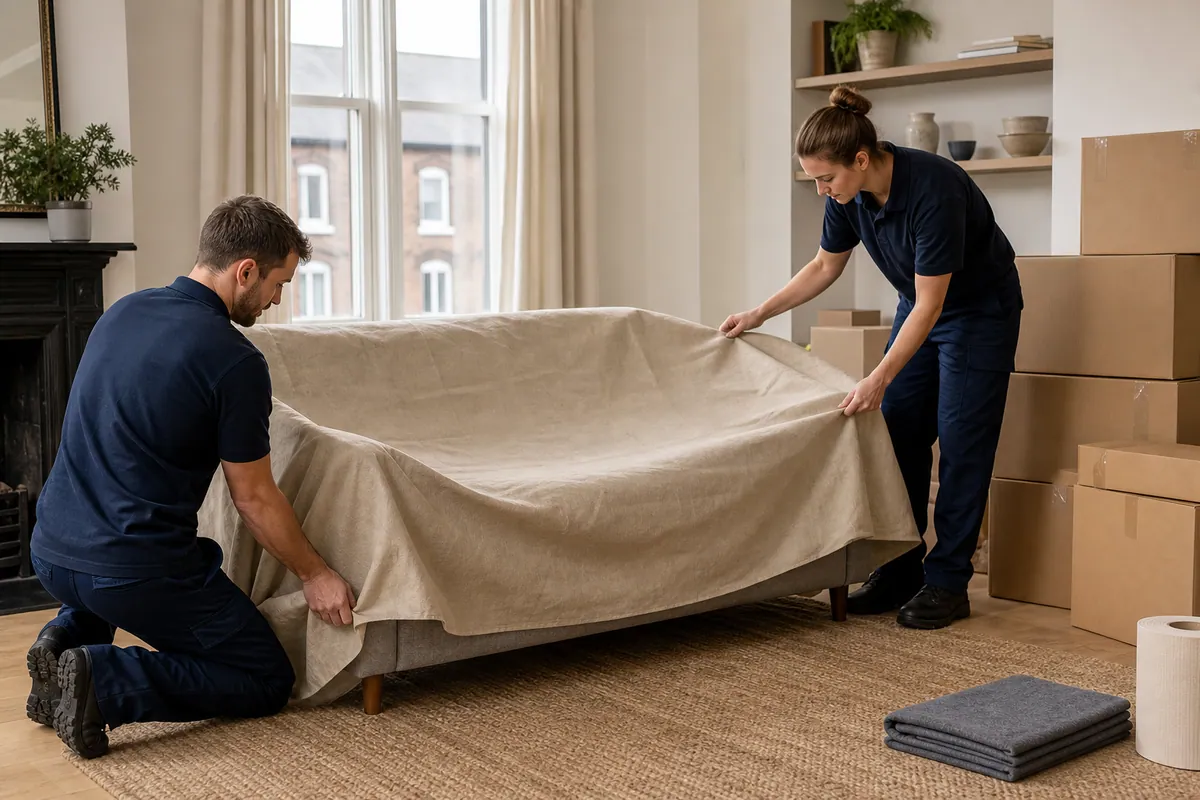
What changes at home?
Clearing an upstairs room calls for an internal route description even where vehicle access looks uncomplicated.
If the reading room will stay in use, identify which belongings remain outside the stored group.
A change to stair access or fixed fittings should prompt a revised assessment before collection.
A staged return can prioritise bedroom furniture while other cartons wait, subject to an agreed process.
Collection is part of the storage plan
Photograph the staircase turns and note the narrowest landing space.
State the starting floor of each substantial piece, not just the property’s number of storeys.
Describe furniture assembled in the room and any genuine detachable components.
Follow the route through to the loading point, including known external restrictions.
Show the turns on the internal staircase and the landing clearance.
Flats and apartments: describe internal turns as well as the front entrance. Mansion blocks: check the full shared route where applicable. Houses: record each upstairs piece’s starting floor. Rental or managed properties: confirm who can explain current access.
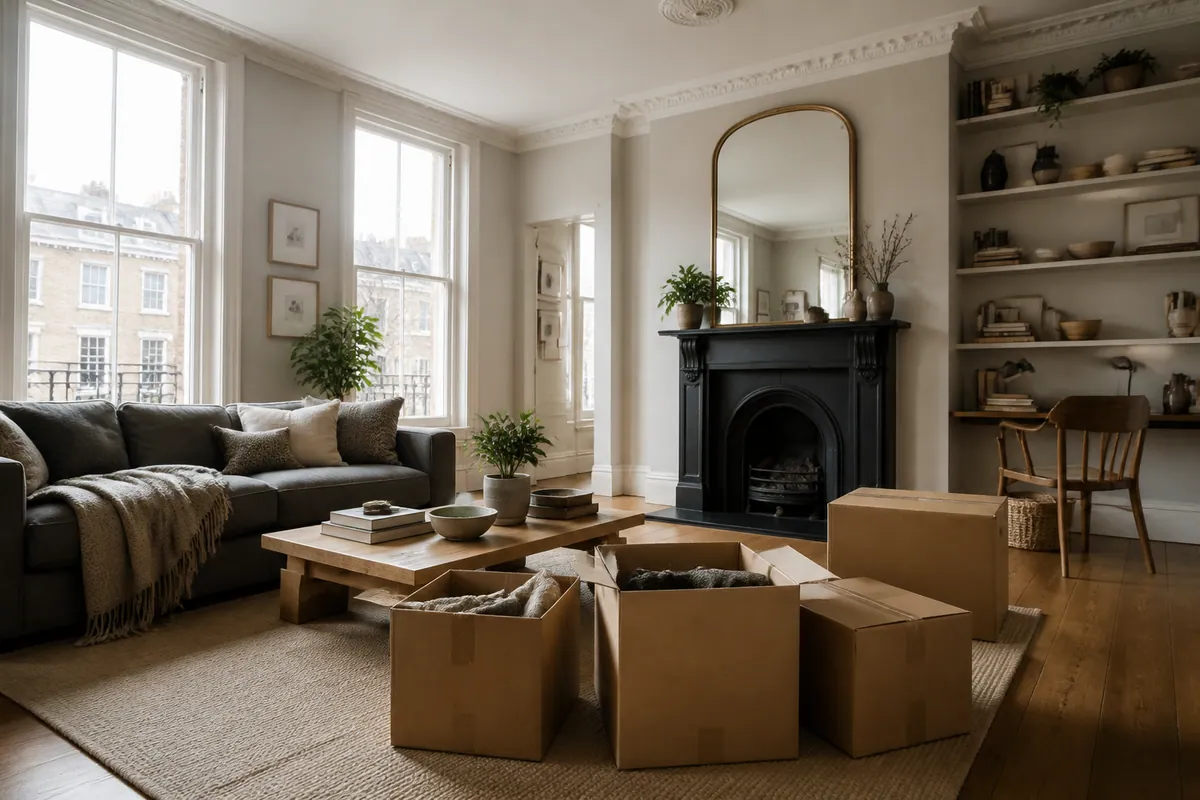
Highgate, before collection day
Easy access at the front of a Highgate property does not describe an upstairs bedroom collection. Internal stairs can shape the handling plan long before the goods reach the entrance.
List the reading chair and bedroom furniture with their starting rooms. If a piece was assembled upstairs, mention that as useful context, but do not assume its earlier arrival proves the current exit is straightforward.
Book cartons should remain separately counted and prepared. Their weight and contents require a clear description rather than being hidden within the room’s furniture total.
Plan the route out of your property ↓Choose your starting point
Choose the household objects first, then use the enquiry to explain their internal route through the property.
Inventory focus
Record Highgate book cartons by count and starting floor. Mention handling concerns while keeping the reading-room group separate from belongings requested for the first bedroom return.
Add this to your inventory ↓
A useful first conversation
Add floor information and staircase concerns to the item notes. A room name is useful only when the route behind it is understood.
Dimensions before estimates
Upstairs location affects handling, while dimensions and protection affect storage. Keep those factors distinct when describing the load.
Measure the upstairs chair rather than counting it only.
Describe the selected bedroom furniture and cartons.
Keep floor information with each room’s inventory.
Separate the load’s dimensions from its handling route.
Upstairs location concerns handling, not automatic suitability. Unusual contents still require declaration and acceptance.
Plan the return before the departure
The first returning furniture must also negotiate the destination’s route. Identify the receiving floor before requesting a delivery, especially if the room changes.
Need earlier
Need later
Keep essential papers and valuables outside the ordinary inventory. Separate returns require agreed notice and pricing, not presumed access.
Keep reading-room cartons referenced separately from the immediate bedroom needs.
Associate detachable furniture parts with their original item.
Later boxes need the same agreed notice and access process as the larger goods.
One connected arrangement
List Highgate furniture by its starting floor.
Show internal stair turns and landing clearance.
Agree preparation for the actual upstairs route.
Confirm the accepted load and collection access.
Check the period and conditions for the household goods.
Supply the receiving floor before booking return.
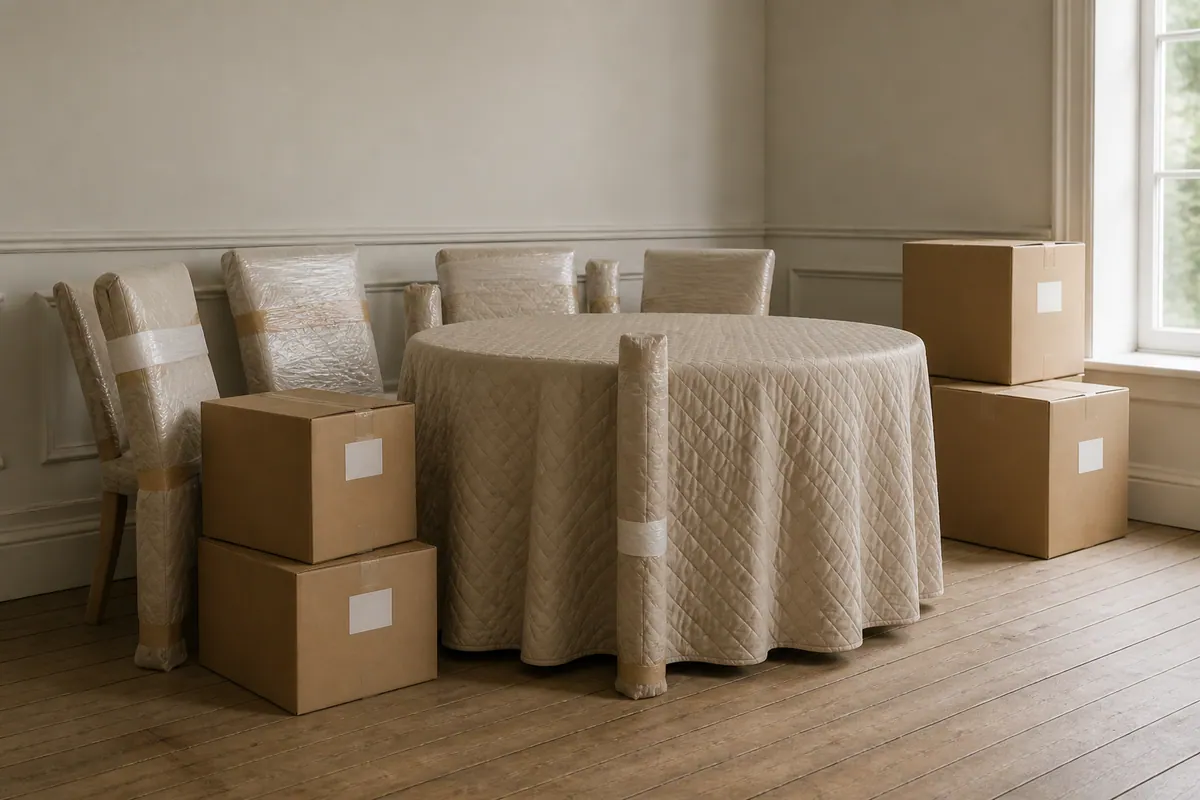
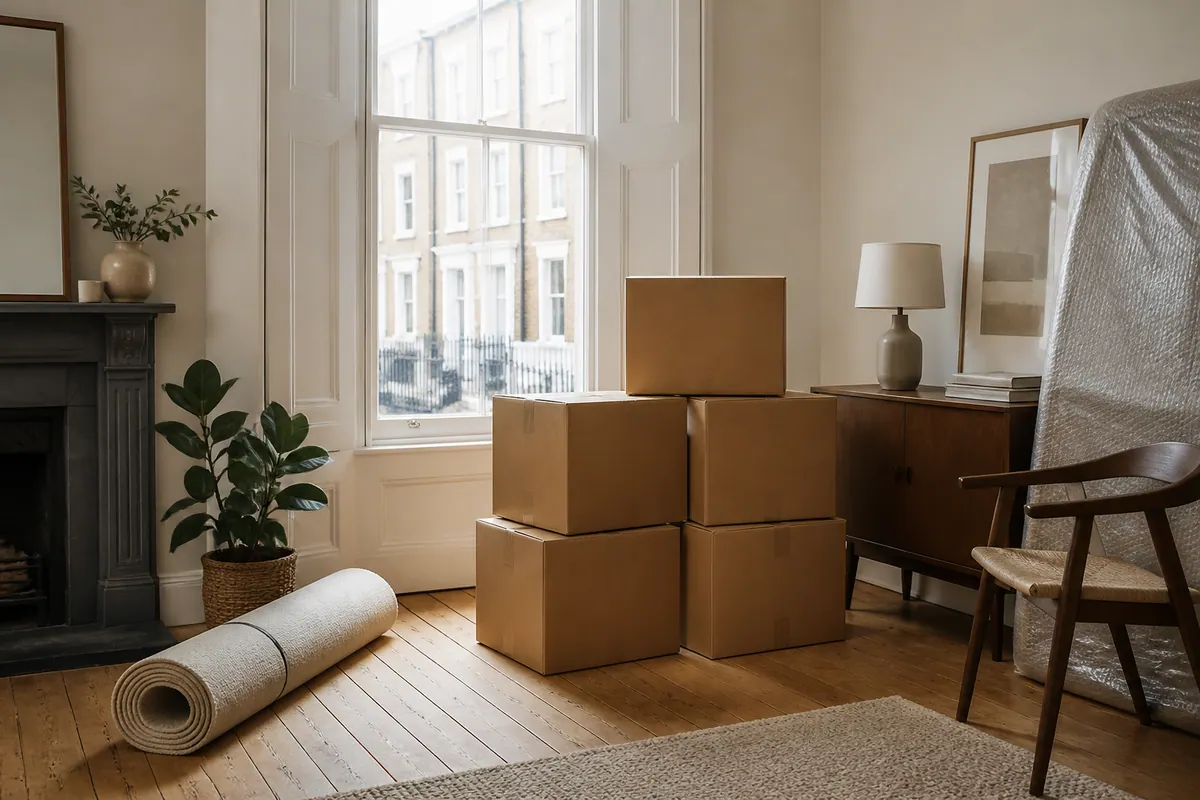
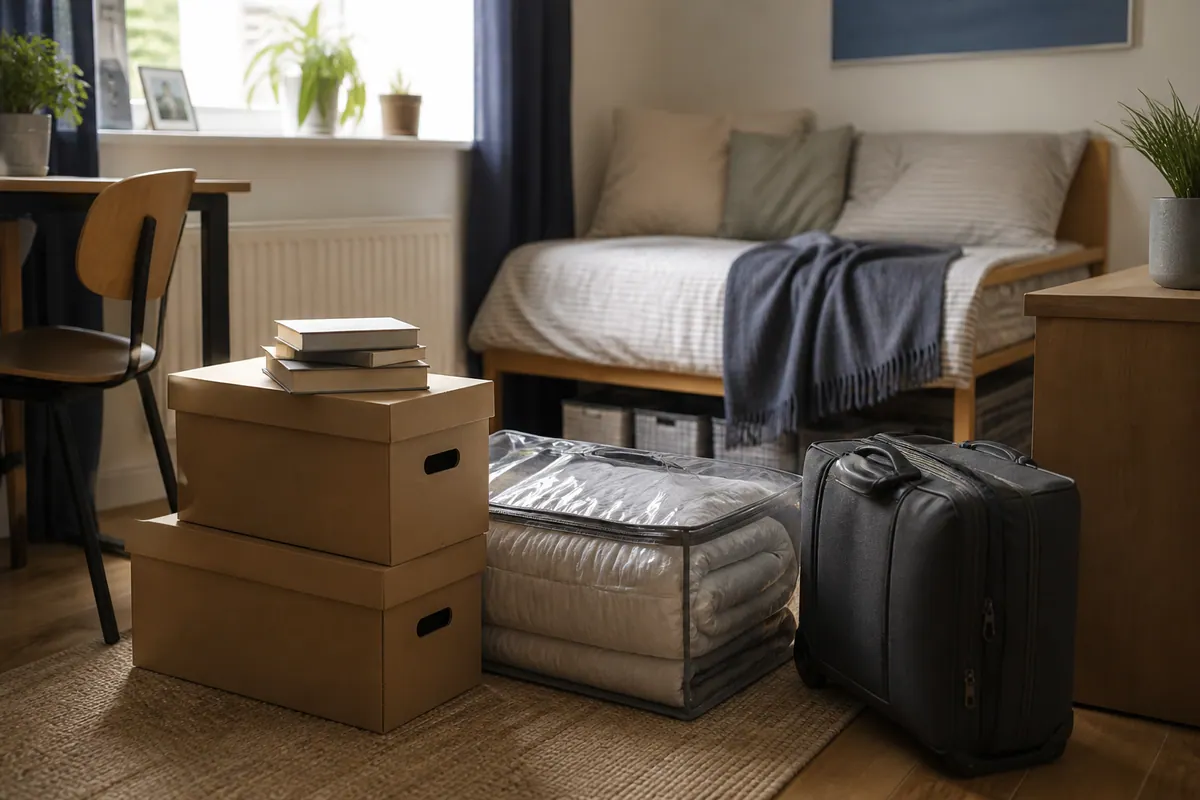
The timetable can change
| Planning point | A shorter gap | A longer arrangement |
|---|---|---|
| Typical purpose | A defined upstairs-room clearance | Furniture waiting through a longer household change |
| Preparation | Prepare the pieces for internal stairs and transport | Review protection for the intended waiting interval |
| Retrieval | Return bedroom goods when the receiving route is ready | Discuss reading-room cartons as a separate request |
| Duration | Agree dates independently of a room-clearance estimate | Check notice if household plans extend |
| Quotation | Quote the assessed load and stair handling | Clarify extra release and extended holding |
Internal access does not determine the storage term. Confirm duration, extension procedure, notice and coverage separately.
Scope first. Quote second.
Ask what assumptions the quote makes about stairs, preparation and crew. An accessible front door alone should not stand in for the full handling brief.
| Service scope | Price approach | Main factors |
|---|---|---|
| Volume & access assessment | Assess the selected upstairs household load | Furniture dimensions and prepared carton count |
| Collection & placement | Quote collection using the complete internal route | Floors, turns, preparation and the loading approach |
| Ongoing storage | Price the proposed storage interval | Accepted goods and suitable conditions |
| Final retrieval / delivery | Return after checking the receiving route | Destination floor and any staged item request |
Check stair handling and preparation assumptions, then review the term, return and insurance provisions. An easy front entrance does not describe the whole job.
Direct answers before you book
Describe internal stairs, landings, starting floors and the route to the vehicle.
No; the furniture may need to travel through more difficult internal spaces.
Yes, but the present condition and route still require review.
Give their count and relevant contents or handling concerns separately from furniture.
Keep it excluded from the initial load unless a later collection is agreed.
Provide measurements and photographs before handling is planned.
No, construction and any required work must be discussed.
Request the sequence and confirm partial-release terms and transport.
Yes, provide it when arranging the return.
Have additions or removals confirmed because they may alter the scope.
No; confirm suitability and terms for the proposed arrangement.
Keep the move connected
Coordinate the household move with internal routes recorded at both ends.
Discuss transport and handling for the actual upstairs load.
Prepare furniture and cartons for the assessed stair route.
Arrange furniture delivery with the destination floor clearly stated.
Alesta customer feedback / Furniture removal & packing
“I used Alesta Services for furniture removal and packing when I moved houses. The team was incredibly careful with my belongings and made the whole process seamless.”
James W. · Existing Alesta review, not a storage testimonial for Highgate.
Highgate / Service area
Provide the Highgate postcode and internal staircase information with the household scope outlined under Storage Services.
The receiving floor may differ from the departure floor. Confirm that route and the proposed holding location as distinct parts of the arrangement.
A little space. A clear next step.
Plan Highgate household storage with upstairs furniture, landing clearance and the full exit route described alongside your item list.
