
Frequently occupied room
Explain practical access and room-use constraints.
PEST CONTROL / WIMBLEDON
Planning around an occupied family home.
The household belongs in the planning conversation.
Preparation can be difficult when rooms are in constant use or occupants cannot simply move elsewhere. For a Wimbledon enquiry, explain those practical conditions alongside the pest findings. Children, pets and room-use restrictions should be disclosed before a method is agreed, not after the visit is arranged.
04 / AT A GLANCE
05 / PROPERTY BRIEF
Explain practical access and room-use constraints.
Disclose their presence before preparation and the method are agreed.
Describe normal access so instructions can be discussed.
Say so rather than assuming belongings or occupants can be relocated.
Keep practical circumstances and evidence together in the enquiry.
Discuss your homeCheck suitability and requirements separately; this residential guide does not confirm every premises type.
Check the premises requirements01 / START WITH THE EVIDENCE
The occupants affect preparation, not the identification of the pest.
Damage or marks in a household storage area.
Mice controlA larger rodent observation with a precise location.
Rats controlPhysical findings around sleeping furniture.
Bed bug treatmentRecurring insects near kitchen equipment.
Cockroaches controlDescribe the actual evidence and room use. Do not move suspect contents into another occupied area to create access.
Give the sighting location and practical restrictions. Keep people and animals away from suspect material without approaching the animal to investigate.
Describe physical evidence separately from symptoms, and explain the sleeping arrangement when preparation is discussed.
Name the fitting and previous products. Everyday room use does not determine whether a method can be used without restrictions.
WIMBLEDON / PROPERTY CONTEXT
A general instruction may need discussion if a room has no alternative use space or an occupant cannot follow an assumed routine. Raise that before selecting the method.
A treatment’s odour, appearance or another customer’s experience is not a basis for deciding how your household should use the area. Obtain the instructions for the actual booking.
Describe animals, children and relevant practical constraints clearly. Do not treat their presence as an automatic suitability guarantee or omit relevant practical concerns.
Ask for clear preparation, access and re-entry guidance. If a required step cannot be followed, raise it before attendance rather than improvising another arrangement.
07 / SCOPE BEFORE A QUOTE
A starting figure is not a promise that every method suits every occupancy arrangement. Confirm the proposed scope and practical requirements before accepting it.
from £120
See published service pricingfrom £150
See published service pricing| Service | Pricing basis | Price |
|---|---|---|
| Mice control | Mouse concern and suitable scope | Assessment-led quotation |
| Rat control | Rat findings and agreed programme | Scope-based price |
| Proofing / repairs | Additional tasks beyond treatment | Separate agreement |
Guides checked on 27 August 2026 provide starting amounts. Confirm Wimbledon availability and method requirements rather than relying on a generic household assurance.
03 / OBSERVATION CHECKLIST
Give the position and explain how the room is normally used.
Keep people and animals away from suspect contamination and do not disturb it for photographs.
Name the actual finding and the room’s normal use.
Describe physical signs separately from a symptom report.
Keep the event and prior-product history.
Explain the practical limitation without moving someone else’s belongings independently.
Describe where animals normally go as a planning detail, not a treatment assurance.
Disclose known products and dates before another method is selected.
06 / SIGNS → LOCATION → NEXT STEP
| Pest problem | Signs to describe | Areas to mention | Next step |
|---|---|---|---|
| Mice | Mouse-like marks | Household storage position | Ask for assessment and suitable preparation advice. |
| Rats | Larger rodent seen | Actual location | Describe access without approaching it. |
| Bed bugs | Physical bed signs | Occupied resting position | Explain sleeping use after describing evidence. |
| Cockroaches | Recurring insects | Kitchen fitting and previous products | Discuss use restrictions for the chosen method. |
MAKE THE ENQUIRY SPECIFIC
Explain the real constraint before relying on a proposed approach.
Give that information so the instructions address the actual household.
Raise it before attendance rather than substituting an improvised step.
Update the booking contact rather than assuming prior arrangements automatically still fit.
08 / THE CONTROL PLAN
The findings and household conditions need to be considered together.
The room report and accessible signs guide assessment while occupancy information informs the practical discussion.
Preparation and re-entry requirements should be clear for the actual areas and people or animals affected.
Later observations or household changes should be raised when discussing further attendance rather than assuming earlier arrangements still fit.
09 / FROM FIRST CONTACT
Expand the sequence to raise practical issues before attendance.

Give room and position before discussing a desired method.
Disclose occupants, animals and practical access limitations.
Ask for the method-specific preparation and re-entry requirements.
Do not improvise around a requirement that cannot be followed.
Keep the new room position and date for review.
Mention occupancy or use changes before another intervention is planned.
10 / PROBLEM → TREATMENT → CONTROL
The household should follow the specific method instructions and review plan, not judge the result from smell, appearance or convenience.
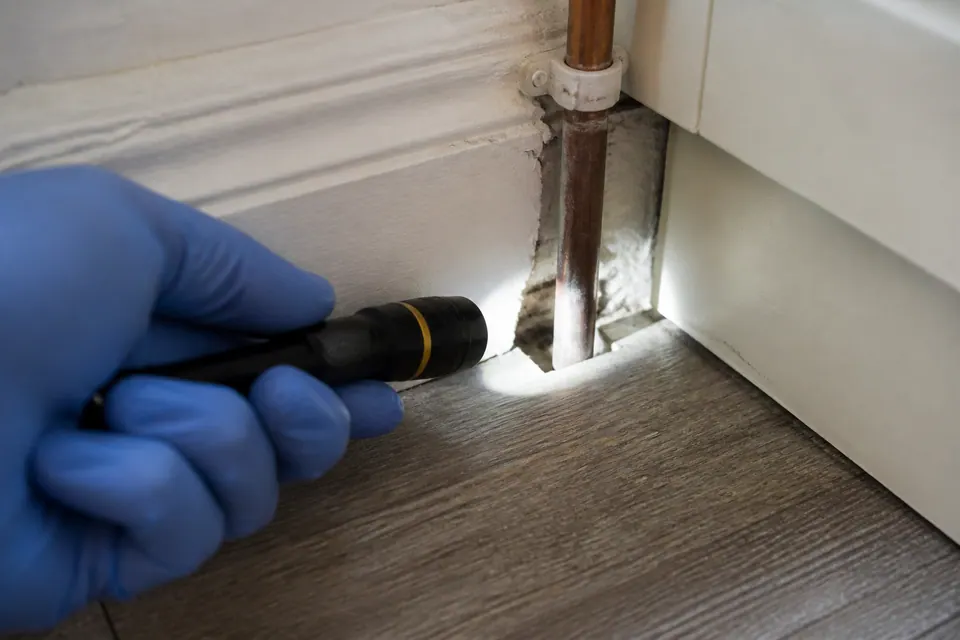
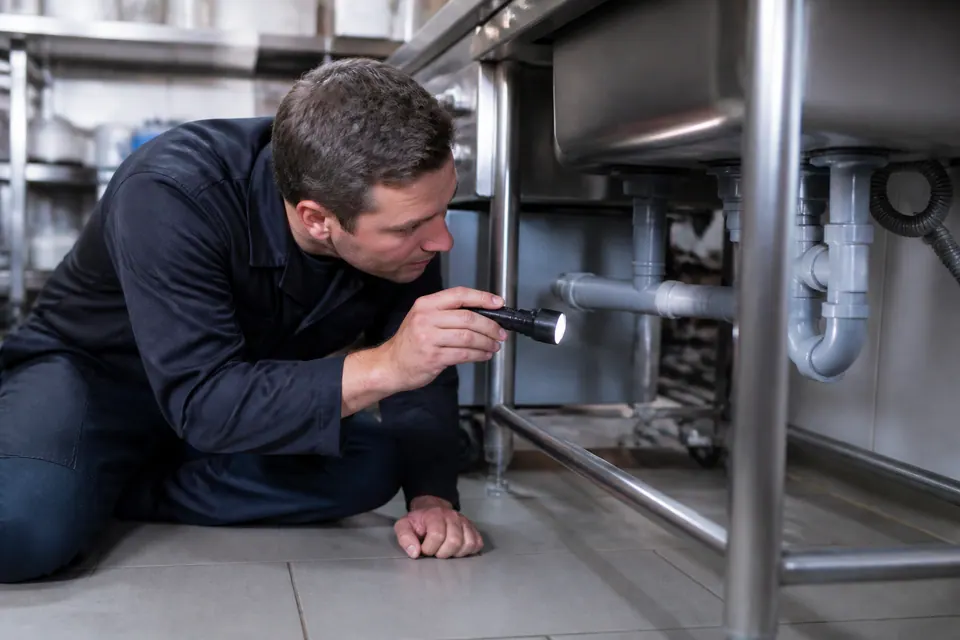
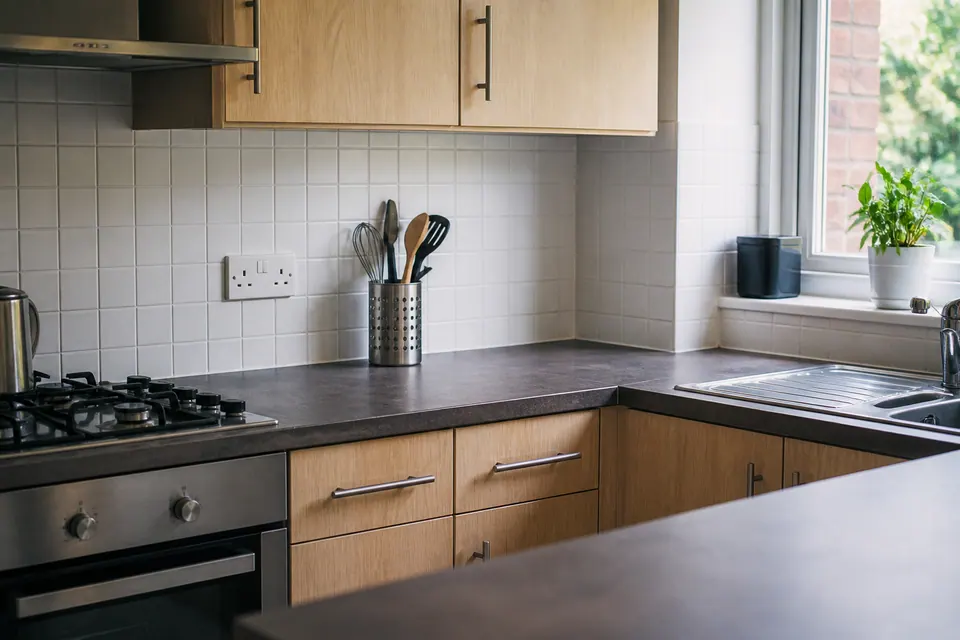
Generated scenes illustrate assessment, not a Wimbledon household’s treatment suitability or outcome.
13 / CLEAR EXPECTATIONS
Disclose relevant practical constraints before method selection.
Obtain requirements tied to the actual booking.
Raise any step that cannot be followed rather than improvising.
ADDRESS AND AVAILABILITY
Supply the postcode and the household contact available to discuss preparation.
Check availability before changing routines. The area map does not establish a particular method or a blanket suitability claim.
Open Wimbledon in Google Maps ↗WIMBLEDON / QUESTIONS
Mention them at the initial discussion so the method and preparation can account for the household.
Explain the practical constraint before relying on a proposed method; do not assume a different corner is sufficient.
No. Follow the specific instructions rather than deciding unrestricted use from odour.
Ask for method-specific preparation and re-entry guidance for the actual area and occupants.
Raise the difficulty before attendance and ask how the proposal should be handled.
Do not transfer another customer’s experience automatically. The method and household requirements may differ.
Describe which areas animals normally access and obtain instructions rather than using a guessed waiting period.
Keep its relevant position, date and room use with the report so review can consider it.
Update the household information before another intervention is agreed.
No. Practical circumstances matter in planning, but findings and response determine whether further action is needed.
15 / TAKE THE NEXT STEP
Call with actual evidence and practical restrictions. Confirm an achievable preparation plan before arranging attendance.
