
Single-room accommodation
Explain the overlap between sleeping, living and storage areas.
PEST CONTROL / ANGEL
Compact flats and preparation.
Preparation needs a practical plan.
Emptying every cupboard in a compact flat can block the only route through it. For an Angel enquiry, explain the usable space and furniture restrictions before moving contents. The preparation should fit the suspected pest and proposed method, not an assumed whole-home clear-out.
04 / AT A GLANCE
05 / PROPERTY BRIEF
Explain the overlap between sleeping, living and storage areas.
Mention furniture that blocks access without assuming it can be moved safely.
Identify fixed equipment and the working route through the room.
Say so before a preparation plan assumes contents can be relocated.
Discuss who uses the space and any method-related occupancy restrictions.
Discuss your homeConfirm suitability separately; a residential assessment does not establish a commercial treatment plan.
Check the premises requirements01 / START WITH THE EVIDENCE
The pest evidence should guide preparation, not the size of the flat alone.
Damage or droppings in a storage position.
Mice controlA larger rodent sighting or assessed signs.
Rats controlPhysical findings near a bed or sleeping sofa.
Bed bug treatmentRecurring insects around kitchen equipment.
Cockroaches controlDescribe the affected cupboard and what blocks access. Do not empty suspect contents across the room to make the edge visible.
Provide the actual sighting and access restriction without assuming a route or moving heavy furniture.
Identify the bed or sleeping sofa and physical evidence. Ask before shifting bedding into the kitchen or another room.
Name the fitting and fixed equipment. Preparation needs to account for safe space and previous products, not simply clear every surface.
ANGEL / PROPERTY CONTEXT
A small room may serve several purposes, and spare floor space may be limited. Describe how the home is actually used instead of assuming belongings can move into an unaffected room.
Ask which cupboards or items require preparation for the proposed assessment or method. Moving everything at once can obstruct access without improving the evidence.
Tell the booking contact about heavy furniture, fixed appliances and the only walking route. Do not attempt unsafe movement to create more working space.
Discuss household occupancy and any animals early. The chosen method and instructions should account for the actual accommodation rather than an imagined spare room.
07 / SCOPE BEFORE A QUOTE
The evidence, reachable areas and selected method define the proposal. Ask what preparation the price assumes and whether any separate movement or repair task is excluded.
from £120
See published service pricingfrom £150
See published service pricing| Service | Pricing basis | Price |
|---|---|---|
| Mice control | Mouse evidence and reachable spaces | Assessment-led quote |
| Rat control | Rat concern and agreed programme | Scoped quotation |
| Proofing / repairs | Furniture work or building repairs | Separately agreed tasks |
The guides checked on 27 August 2026 provide starting figures. Confirm Angel coverage and the full scope rather than assuming a small home has a fixed one-visit price.
03 / OBSERVATION CHECKLIST
A clear description may avoid unnecessary movement.
Do not spread suspect material or shift heavy connected equipment for a photograph.
Name the cupboard and affected shelf before moving contents.
Explain which object prevents safe viewing and whether it is fixed.
Identify the resting position and physical signs separately from symptoms.
Give the fitting and event history, including products already tried.
Describe the passage needed to reach the reported area.
Keep its findings separate rather than moving belongings there on the assumption it is clear.
06 / SIGNS → LOCATION → NEXT STEP
| Pest problem | Signs to describe | Areas to mention | Next step |
|---|---|---|---|
| Mice | Damage in a cupboard | Shelf and access obstruction | Ask what preparation helps assessment. |
| Rats | Larger rodent sighting | Actual location and narrow route | Avoid unsafe furniture movement. |
| Bed bugs | Physical signs near a bed | Resting position and available space | Seek advice before relocating bedding. |
| Cockroaches | Recurring kitchen insects | Fitting and fixed-equipment constraints | Provide event and previous-product details. |
MAKE THE ENQUIRY SPECIFIC
Say so before instructions assume belongings can be stored elsewhere.
Describe it and ask for safe preparation advice rather than attempting a difficult move alone.
Explain the overlap so the preparation does not simply transfer contents between reported areas.
Discuss the actual situation when method and restrictions are considered.
08 / THE CONTROL PLAN
Preparation is part of the plan, not a clearance exercise before it.
Accessible evidence and the actual layout help define the concern and any areas that cannot be reached safely.
Discuss what needs to move, where it can remain and how occupants should use the home under the instructions.
A reorganised room can change where signs are noticed. Record new positions alongside the original account rather than assuming relocation equals control.
09 / FROM FIRST CONTACT
Expand the stages before emptying cupboards or moving the bed.
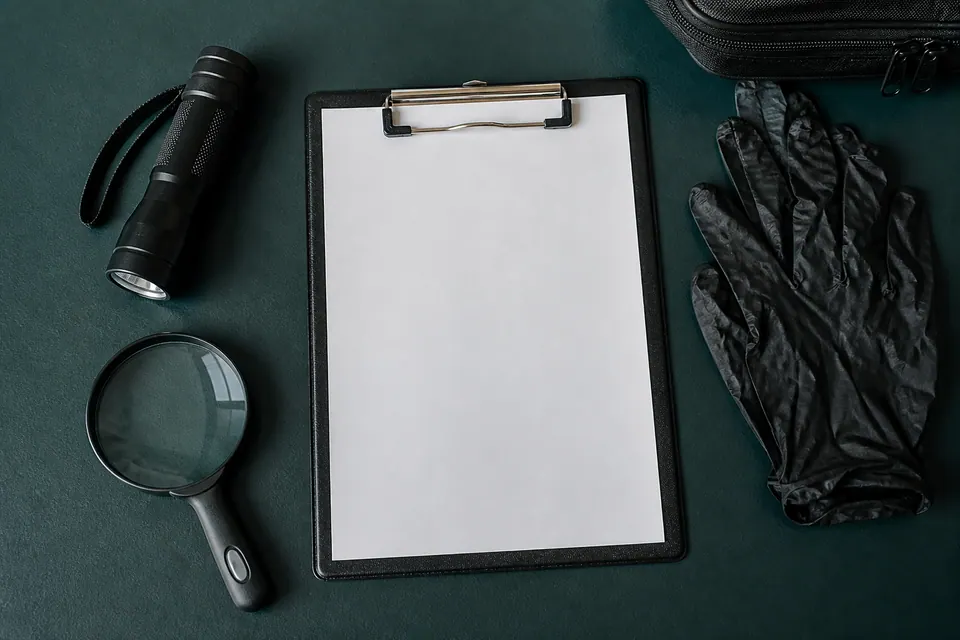
Explain the affected room and the route through it.
Mention heavy or connected items and where access is blocked.
Do not replace method-specific advice with a general whole-home clear-out.
Keep access usable and observe the household restrictions supplied for the method.
State the exact position, including if belongings have been rearranged.
Use the new evidence to clarify review or additional work rather than treating tidiness as a result.
10 / PROBLEM → TREATMENT → CONTROL
Rearrangement can make a room easier to inspect, but treatment outcomes still depend on evidence and review. Do not confuse a practical layout change with clearance.
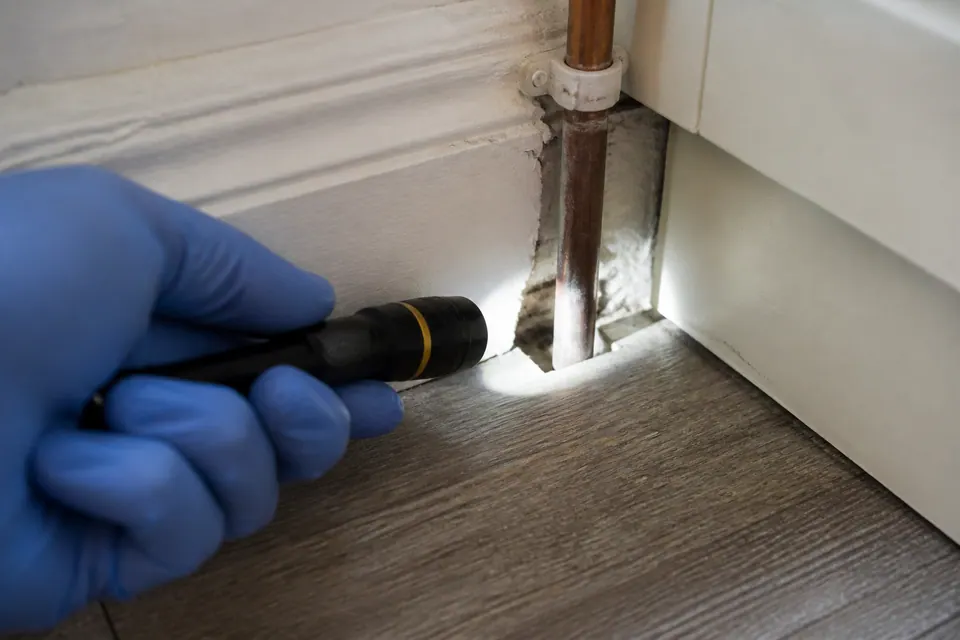
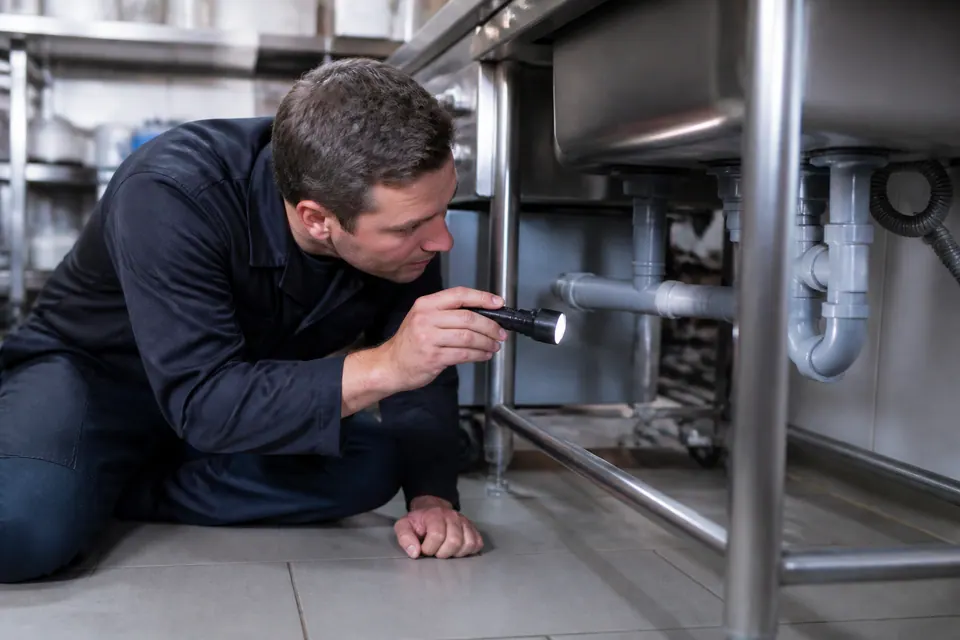
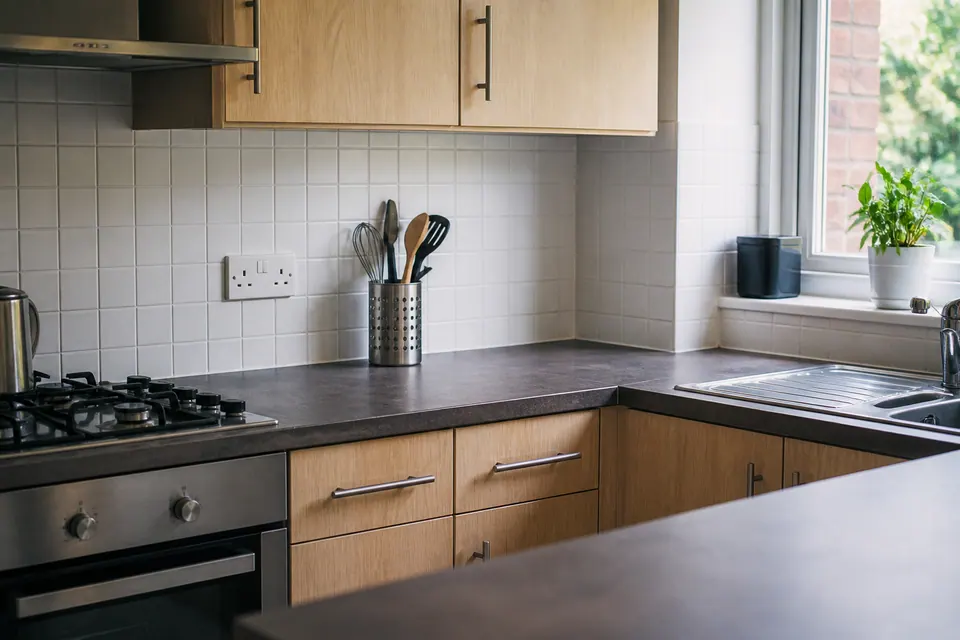
Generated scenes illustrate assessment and are not an Angel compact-flat treatment record.
13 / CLEAR EXPECTATIONS
Ask what actually needs preparation instead of assuming every cupboard must be emptied.
Fixed or heavy items should be disclosed, not shifted on guesswork.
Room size does not replace instructions for the selected method and household.
ADDRESS AND AVAILABILITY
Give the postcode and explain any narrow entrance or internal route relevant to the appointment.
Check availability before reorganising the accommodation. The area map does not imply a local office or an agreed treatment method.
Open Angel in Google Maps ↗ANGEL / QUESTIONS
Explain that no spare space is available and ask how the preparation can be arranged for the proposed method.
Not automatically. Describe the finding and wait for specific preparation advice.
Mention the obstruction and whether it can be moved safely. Do not create a lifting risk simply to prepare.
Give the sleeping position and physical signs; keep that evidence separate from assumptions based on the furniture’s dual use.
Do not assume another corner is outside restrictions. Obtain instructions for the actual method and areas involved.
No. Identification, concealed activity and later findings can affect the programme in any property size.
Explain which areas contain findings and ask before transferring contents between them.
Include children, animals and anyone whose use of the space affects preparation or restrictions.
Clarify the original and new positions. Rearrangement may change where something is noticed without showing when it began.
Follow the booking’s instructions for use, cleaning and re-entry rather than judging from appearance or odour.
15 / TAKE THE NEXT STEP
Call with the room layout, access obstructions and household needs. Agree preparation before moving belongings around a compact home.
