
Mice
Damaged packets or material found while unpacking.
Mice controlPEST CONTROL / ACTON
Pest reports during a tenancy change.
Describe when it was found, not who caused it.
A tenancy change can expose corners that were previously hidden and introduce belongings at the same time. If signs appear during an Acton move, record what was seen before unpacking and what was discovered later. Assessment needs that chronology, not an unsupported attribution to either household.
01 / START WITH THE EVIDENCE
Select the concern while keeping its timing and origin open to assessment.
Damaged packets or material found while unpacking.
Mice controlA larger rodent observed at a defined position.
Rats controlPhysical signs around a bed or introduced furniture.
Bed bug treatmentInsects noticed in kitchen recesses after access changed.
Cockroaches controlSay whether the mark was on a fixed fitting or an item brought into the home. Those are different observations even if discovered together.
Describe the actual sighting and access point. Removal activity or an open door is context, not proof of a route.
Provide the furniture and luggage timeline with physical signs. Do not diagnose bed bugs from irritation or blame a particular item without evidence.
Give the position and first observation date. Ask about prior products where records exist, without assuming a previous occupant arranged treatment.
ACTON / PROPERTY CONTEXT
The key date, first occupancy and unpacking date may differ. Keep them separate where they explain when rooms became accessible.
A mark revealed behind moved furniture may pre-date the move, but its age may also be unknown. Record that uncertainty rather than writing a conclusion into the enquiry.
If an agent or owner has a treatment record, ask what was done, where and when. A statement that the home was cleaned is not a pest-treatment history.
Agree which person can authorise the scope while keys are changing hands. The person attending a handover may not be the person commissioning additional work.
03 / OBSERVATION CHECKLIST
Keep original dates rather than reconstructing a certain start time.
Do not disturb suspect residues or move belongings between rooms to investigate.
Identify marks noticed while the rooms were still empty or largely clear.
State whether evidence was on an introduced object or a fixed feature.
Explain which furniture movement made the position visible.
Record physical findings and arrival dates independently of any skin symptoms.
Name the unit and whether previous product information is available.
Say which rooms could not be checked before the tenancy began.
04 / AT A GLANCE
05 / PROPERTY BRIEF
Explain which rooms are genuinely accessible; empty does not automatically mean every recess can be inspected.
Identify blocked spaces and objects introduced before the findings were noticed.
Confirm collection or admission arrangements instead of assuming a key is available to the assessor.
Separate each person’s account and establish who can approve the work.
Discuss the intended occupancy and the household arrangements relevant to the selected method.
Discuss your homeCheck service suitability separately. A residential handover enquiry does not cover a commercial conversion.
Check the premises requirements06 / SIGNS → LOCATION → NEXT STEP
| Pest problem | Signs to describe | Areas to mention | Next step |
|---|---|---|---|
| Mice | Damage on stored material | Fixed cupboard or introduced item | Explain where it was before discovery. |
| Rats | A larger rodent sighting | Actual observed position | Keep door-opening history as context only. |
| Bed bugs | Bed-joint marks | Existing or newly arrived furniture | Seek identification before moving it again. |
| Cockroaches | Insects in a kitchen gap | Named unit and first discovery date | Supply any reliable previous-treatment information. |
07 / SCOPE BEFORE A QUOTE
An empty property is not automatically a fixed-price pest programme. Establish the evidence, accessible rooms and chosen service before relying on a guide.
from £120
See published service pricingfrom £150
See published service pricing| Service | Pricing basis | Price |
|---|---|---|
| Mice control | Mouse evidence and move-in access | Assessed quotation |
| Rat control | Rat findings and agreed programme | Price after assessment |
| Proofing / repairs | Handover repairs or proofing | Separate work and authorisation |
The service guides checked on 27 August 2026 are starting figures. Confirm Acton availability and a written scope rather than treating them as a whole-home clearance certificate.
08 / THE CONTROL PLAN
The move date should inform planning without becoming an assumed cause.
The assessor considers accessible evidence and the information available about earlier interventions, while leaving unknown history explicit.
Preparation, access and household restrictions follow the proposed method, not simply whether the tenancy has begun.
Later observations should retain their room and date. They can be compared with the original findings and any new belongings or access changes.
09 / FROM FIRST CONTACT
Open the stages before agreeing work against a handover deadline.

Give key handover, first access and unpacking dates where relevant.
Share reliable treatment details if available; state when history is unknown.
Identify the person commissioning the assessment and the person admitting the technician.
Ask before moving bedding or furniture through the home to clear space.
Keep newly observed positions distinct from marks already documented at handover.
Clarify ownership and scope without interpreting a pest recommendation as a tenancy-liability decision.
10 / PROBLEM → TREATMENT → CONTROL
Cleaning and treatment records are different. Assessment and later evidence, not the appearance of an empty room, inform control decisions.
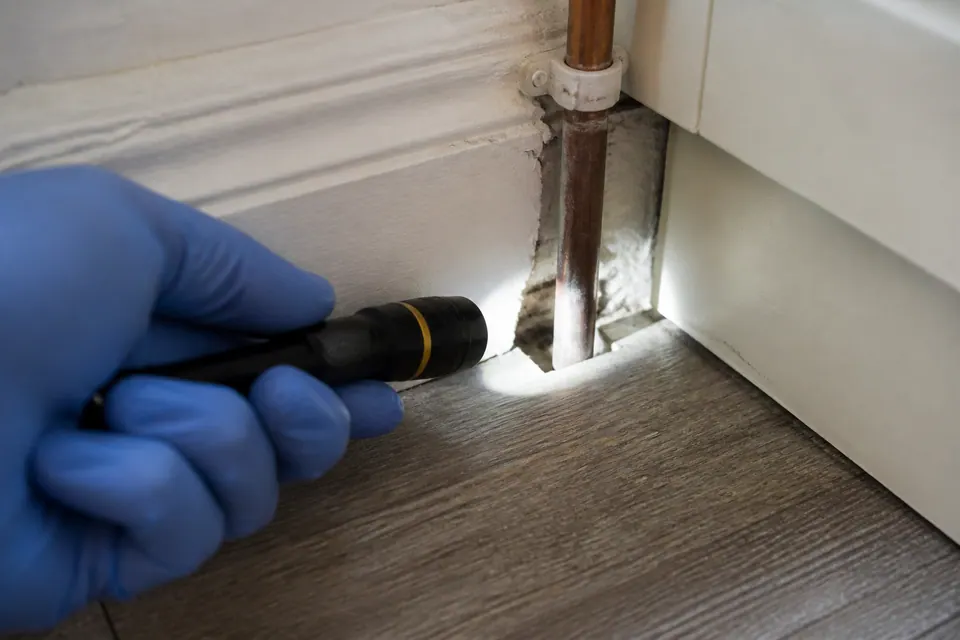

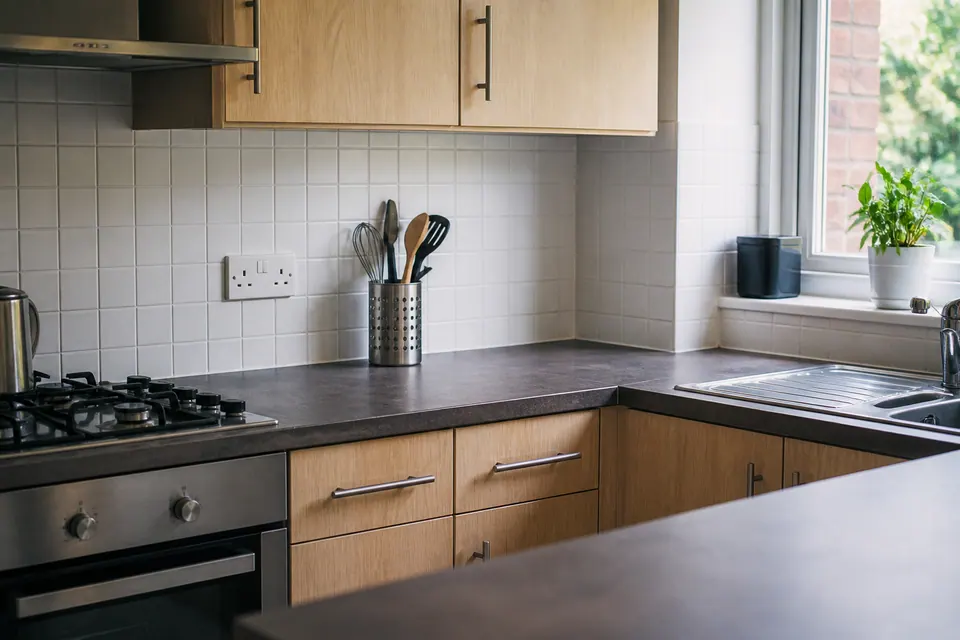
Generated scenes are not an Acton inventory record or proof that a tenancy was pest-free.
MAKE THE ENQUIRY SPECIFIC
Retain the dated record without making unsupported claims about how long it existed.
Explain its earlier location and movement rather than automatically assigning the room as the source.
Ask for the scope and date if a record exists. Avoid treating a vague assurance as a complete treatment history.
Mention that practical deadline when enquiring, while checking availability instead of assuming attendance.
ADDRESS AND AVAILABILITY
Give the postcode and who currently controls access during the move.
Check attendance before coordinating agent and household diaries. The location view is not a service guarantee or a local branch marker.
Open Acton in Google Maps ↗13 / CLEAR EXPECTATIONS
A finding’s location and date do not always establish where or when it began.
Describe documented earlier work distinctly from hearsay or a cleaning statement.
The pest enquiry should focus on findings, scope and practical next steps.
ACTON / QUESTIONS
Use the date it was first noticed and explain that the age is unknown. Avoid assigning it to an earlier occupant without supporting information.
Keep the original photograph and its context. It can support chronology without necessarily identifying the species.
State whether the finding was on the object itself or the fixed room around it, together with the move date.
Ask for the date, areas and nature of the earlier work where a record is available. Say clearly if the details cannot be confirmed.
No. Cleaning may be part of a handover, but it does not establish pest treatment or the absence of concealed activity.
Identify who can approve the proposed scope and who can provide access. Those roles may sit with different people.
Follow the preparation advice for the suspected concern before moving it through other rooms.
Not automatically. Access, evidence and method still determine assessed scope and cost.
Ask for method-specific preparation and re-entry instructions, taking the planned occupants and animals into account.
Provide the new position and date while retaining the handover findings. Do not overwrite the original history with the later discovery.
15 / TAKE THE NEXT STEP
Call with the known dates, room evidence and current access contact. Confirm the assessment before making assumptions about cause or arranging a handover repair.
