
Mice
Chewing or suspected traces noticed after the area was checked.
Mice controlPEST CONTROL / UXBRIDGE
Recurring activity after a quiet period.
Keep the quiet interval in the account.
A quiet interval is useful information but does not prove the previous issue ended. Explain the length of the gap, what was monitored and how the current evidence differs from earlier observations.
01 / START WITH THE EVIDENCE
An earlier concern may provide history, but an interval without sightings does not identify the current problem.
Chewing or suspected traces noticed after the area was checked.
Mice controlA sighting or larger traces with a specific date and position.
Rats controlPhysical spotting or insects around sleeping furniture.
Bed bug treatmentRecurring insects at recorded kitchen locations.
Cockroaches controlExplain when that exact position was last observed. The date you noticed a mark may not establish when it appeared.
Distinguish an animal actually seen from a repeated sound. Keep indoor and outdoor observations in separate entries.
Give the current room and physical signs, including any changes to furniture or sleeping arrangements. A skin reaction alone is not identification.
Record individual sightings rather than describing the whole interval as continuous activity. Mention products or cleaning between them.
09 / FROM FIRST CONTACT
A useful timeline can acknowledge missing information without filling it with guesses.

Give the date and position you can substantiate.
Explain whether the area was checked, unused or inaccessible.
Keep its date and location separate from the earlier history.
Name known treatments or products and state where details are unavailable.
Follow preparation and room-use guidance for the actual method being proposed.
Add later findings as advised instead of replacing the history with a general impression.
08 / THE CONTROL PLAN
The aim is a reliable history, not a story that makes every concern look uninterrupted.
The account distinguishes known sightings, uncertain marks and changes to room use. Accessible evidence then supports the assessment.
The proposal should address the identified concern and current circumstances. An old label or a quiet interval is not enough to choose a generic intervention.
Subsequent observations are considered alongside the initial record. Further action depends on findings rather than a promise about one attendance.
05 / PROPERTY BRIEF
Say when it was last examined rather than calling the interval evidence of clearance.
Distinguish absence from regular observation without findings.
Record which surfaces became newly visible and when.
Keep the provider, known dates and instructions separate from assumptions about the current concern.
Explain the household’s present use so preparation and assessment can be discussed accurately.
Discuss your homeCheck commercial suitability separately; residential guidance does not confirm a business monitoring or documentation service.
Check the premises requirementsUXBRIDGE / PROPERTY CONTEXT
An interval can mean that a room was regularly observed without findings, or simply that nobody used it. Those are different histories.
State the last recorded sign, the latest finding and any checks in between. If a room was closed, storage moved or occupants away, include that context without assigning it as a cause.
Keep earlier treatment details where available and identify uncertainty about dates or methods. Do not assume that a previous pest identification automatically explains the new evidence.
Confirm coverage and discuss the appropriate next step. The duration of a quiet interval does not itself establish a need for a particular treatment or guaranteed urgent attendance.
07 / SCOPE BEFORE A QUOTE
A price should be based on the current evidence and proposed work, not simply the number of days since the last sign.
from £120
See published service pricingfrom £150
See published service pricing| Service | Pricing basis | Price |
|---|---|---|
| Mice control | Activity, access and programme | Quote after assessment |
| Rat control | Internal / external routes and visits | Quote after assessment |
| Proofing / repairs | Surveyed openings and separate work | Quoted separately |
Guides checked 27 August 2026. Confirm current pricing, address coverage and any review terms. Earlier work does not automatically establish the cost or inclusions of a new enquiry.
06 / SIGNS → LOCATION → NEXT STEP
| Pest problem | Signs to describe | Areas to mention | Next step |
|---|---|---|---|
| Mice | Possible fresh traces or newly noticed chewing | The position and last known check | State whether freshness is established or uncertain |
| Rats | An occasional sighting or repeated noise | Specific indoor or external location | Keep direct evidence separate from inferred activity |
| Bed bugs | Physical signs around a bed after an interval | Room, furniture and any changed use | Do not diagnose from a skin reaction alone |
| Cockroaches | Sightings on separate dates near equipment | Each fitting and changes between observations | Disclose products and cleaning during the gap |
04 / AT A GLANCE
03 / OBSERVATION CHECKLIST
The strength of the account comes from distinct observations, not from making the history sound continuous.
Avoid handling suspect contamination or disturbing concealed areas to test whether activity continues.
State when the position was last examined and whether the newness of the mark is certain.
Explain what was moved and which surface had been hidden. Newly visible does not necessarily mean newly created.
Record the time and room without treating sound alone as a species identification.
Name the fitting or surface and distinguish the sighting from earlier events.
Describe spotting or insects around the bed separately from irritation or a remembered earlier concern.
Keep the outside location and date distinct from any household findings.
10 / PROBLEM → TREATMENT → CONTROL
A quiet period is part of the evidence. Its meaning depends on what was observed, the programme and the later findings.
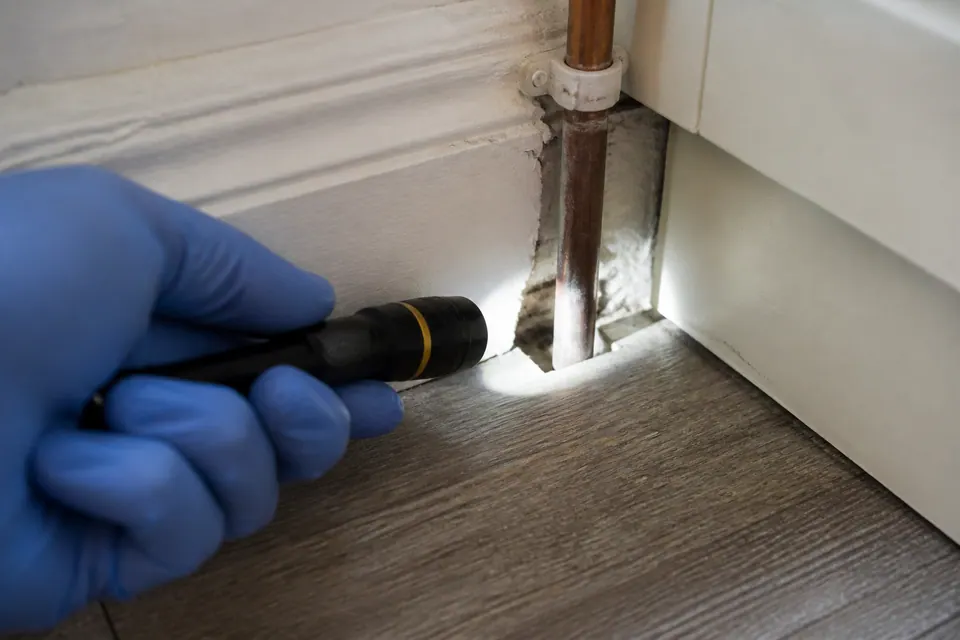

These illustrations are not an Uxbridge treatment history or proof of clearance after an interval.
MAKE THE ENQUIRY SPECIFIC
Describe the period as unobserved rather than saying no activity occurred.
Explain that repeated photographs may show the same finding instead of separate events.
Give the date it moved so the discovery is not automatically treated as new damage.
Name the new location and ask how it relates to the original concern rather than assuming the same route or scope.
ADDRESS AND AVAILABILITY
Supply the full postcode and identify whether the earlier concern involved the same dwelling.
Check availability for the current property and scope. A historical visit or a period without signs does not reserve a new appointment.
Open Uxbridge in Google Maps ↗13 / CLEAR EXPECTATIONS
Approximate periods should remain labelled as approximate.
Separate sightings should retain their individual context.
The interval and later findings need interpretation alongside the actual programme.
UXBRIDGE / QUESTIONS
No universal conclusion follows from the interval alone. Explain what was observed and any relevant programme or checks.
Say that it was unobserved rather than describing it as clear.
Yes. Identify whether the material changed or simply remained visible.
Use an approximate period and say so. False precision can make the account harder to reconcile.
Not necessarily. Describe its position and timing and keep identification uncertain where evidence is lacking.
Explain the movement and previously hidden surfaces. Newly noticed evidence may predate the move.
Do not attempt to provoke or test activity that way. Describe the evidence and disclose any products already used.
Check the actual terms and proposed scope rather than assuming inclusion.
Keep the two accounts separate unless assessment supports a connection.
Add its date, exact location and any relevant change since the last check, following the review guidance supplied.
15 / TAKE THE NEXT STEP
Call with the latest finding and what is known about the gap. Confirm coverage and the appropriate assessment without turning uncertainty into a continuous infestation claim.
