
A sound is reported above a sighting
Keep the two observations separate until evidence supports a relationship.
PEST CONTROL / HEMEL HEMPSTEAD
Do not force every
floor’s observation into one explanation.
A kitchen sighting and a bedroom ceiling sound may be related, but the enquiry should preserve both accounts separately. Give each level its own evidence and access details, then check coverage and the proposed assessment.
MAKE THE ENQUIRY SPECIFIC
Keep the two observations separate until evidence supports a relationship.
Use consistent floor and room labels in the enquiry.
Disclose the limitation before expecting it to be examined.
Record its original storage position and movement without assuming the destination is affected.
06 / SIGNS → LOCATION → NEXT STEP
| Pest problem | Signs to describe | Areas to mention | Next step |
|---|---|---|---|
| Mice | Droppings in storage | Specific floor and cupboard | Describe direct evidence |
| Rats | Possible rodent movement | Separate indoor or outside reference | Avoid an assumed route between levels |
| Bed bugs | Spotting near a bed | Named bedroom | Request relevant physical assessment |
| Cockroaches | Recurring kitchen insect | Specific appliance location | Disclose dates and earlier products |
09 / FROM FIRST CONTACT
A simple list is enough to orient the conversation.

Provide the postcode and the affected floor names.
Record sightings, sounds and second-hand accounts separately.
Resolve room permissions and access before agreeing scope.
Follow preparation for the specific method and included areas.
Give later findings their own dates and room references.
Clarify any separate maintenance recommendation and its responsible contact.
08 / THE CONTROL PLAN
A shared explanation should be supported, not imposed at the start.
Accessible findings are compared with the distinct accounts from each level.
The agreed method and zones reflect the supported pest and actual scope.
Later observations remain located by room so review can recognise changes accurately.
05 / PROPERTY BRIEF
Name the affected rooms rather than treating the staircase as a proven route.
Explain how the levels connect and any inaccessible space.
Clarify whether the area belongs in the same requested programme.
Permission and preparation may need the occupant and owner involved.
The home brief should distinguish findings and access on each level.
Discuss your homeCommercial suitability needs a separate discussion; one address does not make every space a residential booking.
Check the premises requirementsADDRESS AND AVAILABILITY
Send the complete postcode and explain the entrance to the relevant dwelling.
Coverage and attendance need confirmation. Include separate access arrangements for any floor in the proposed scope.
Open Hemel Hempstead in Google Maps ↗07 / SCOPE BEFORE A QUOTE
A quote should identify which levels or rooms are included. A targeted starting guide is not automatically a programme for every floor.
from £120
See published service pricingfrom £150
See published service pricing| Service | Pricing basis | Price |
|---|---|---|
| Mice control | Activity, access and programme | Quote after assessment |
| Rat control | Internal / external routes and visits | Quote after assessment |
| Proofing / repairs | Surveyed openings and separate work | Quoted separately |
Guides checked 27 August 2026. Confirm postcode coverage, total price and any review or additional-visit arrangements.
HEMEL HEMPSTEAD / PROPERTY CONTEXT
Confirm coverage for the postcode first. Then name the levels and rooms where observations occurred, without assigning a hidden route between them.
An upstairs sound belongs against the room where it was heard. A downstairs sighting needs its own time and direct description.
Locked bedrooms, separate entrances or obstructed stairs can affect what is accessible. Include these practical limits before the scope is agreed.
Where different occupants supplied the reports, retain their sources. A combined summary should not remove the distinction between seeing, hearing and being told.
03 / OBSERVATION CHECKLIST
The floor reference makes each finding easier to understand.
Avoid unsafe searching or disturbing suspect material to complete the account.
Droppings or tracks need the level and exact storage location.
Scratching is an audible observation with a time and room reference.
Gnawed packaging should be described where stored, not where later moved.
Bed-frame spotting or shed material is distinct from skin irritation.
Repeated appliance insects need their own room and product history.
Outside movement or nesting material should be recorded separately and checked for suitability if unknown.
01 / START WITH THE EVIDENCE
Different locations can require different questions; these links do not establish one pest across the whole home.
Droppings or packet damage on a named level.
Mice controlPossible rodent evidence in a specific area.
Rats controlPhysical signs around an identified bed.
Bed bug treatmentRecurring insects beside particular equipment.
Cockroaches controlFor suspected mice, list actual storage findings by floor rather than describing assumed movement through the house.
Rat-related reports should keep exterior, lower-floor and upper-floor observations separate.
A bed bug discussion needs physical bedroom evidence where available; skin irritation alone is insufficient.
Recurring appliance insects should retain their kitchen reference even if other noises occur on another floor.
04 / AT A GLANCE
10 / PROBLEM → TREATMENT → CONTROL
Review the relevant findings across the agreed areas. A single room’s appearance or silence should not stand in for the whole programme.
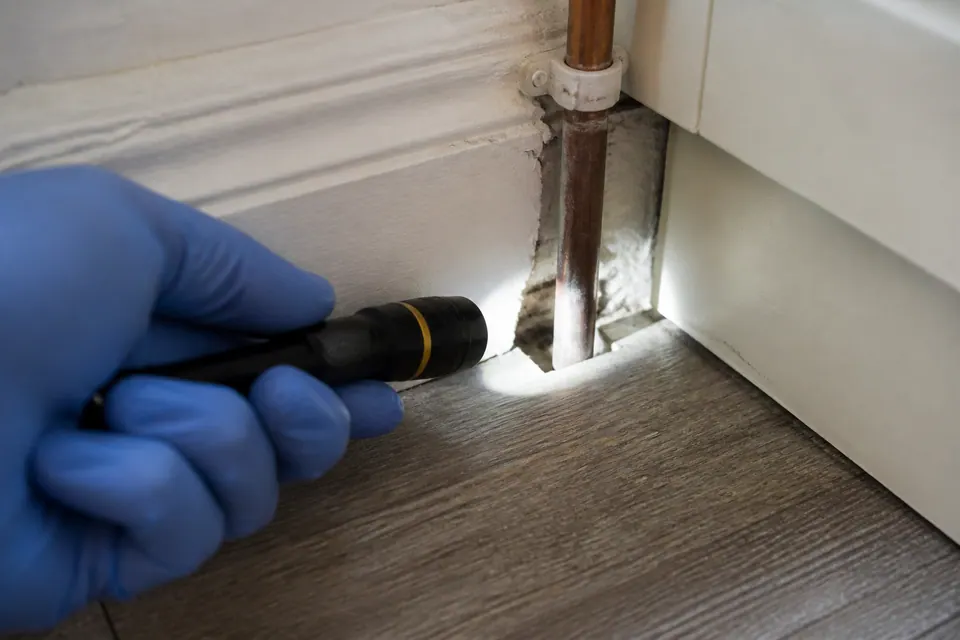
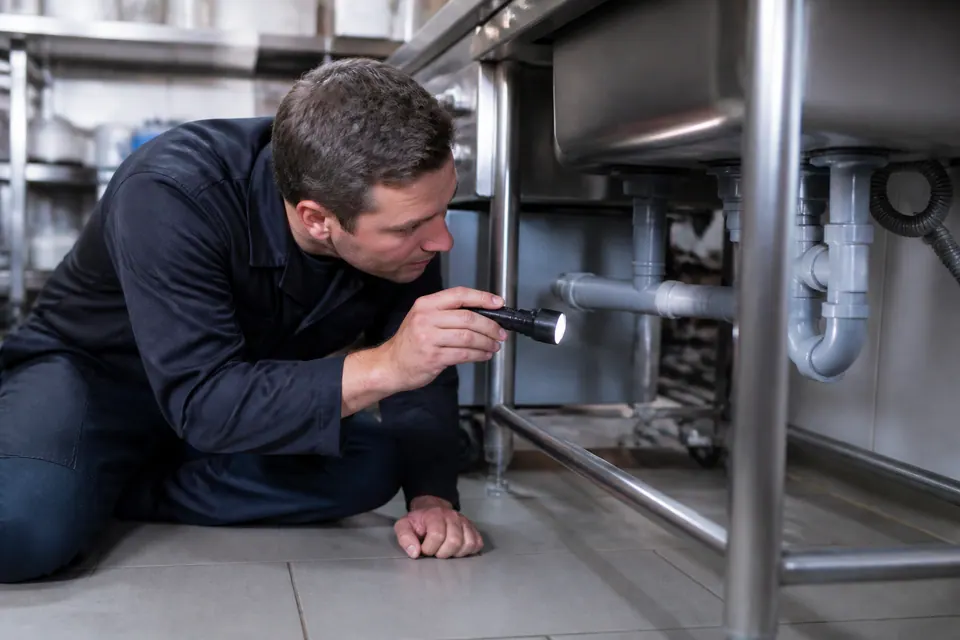
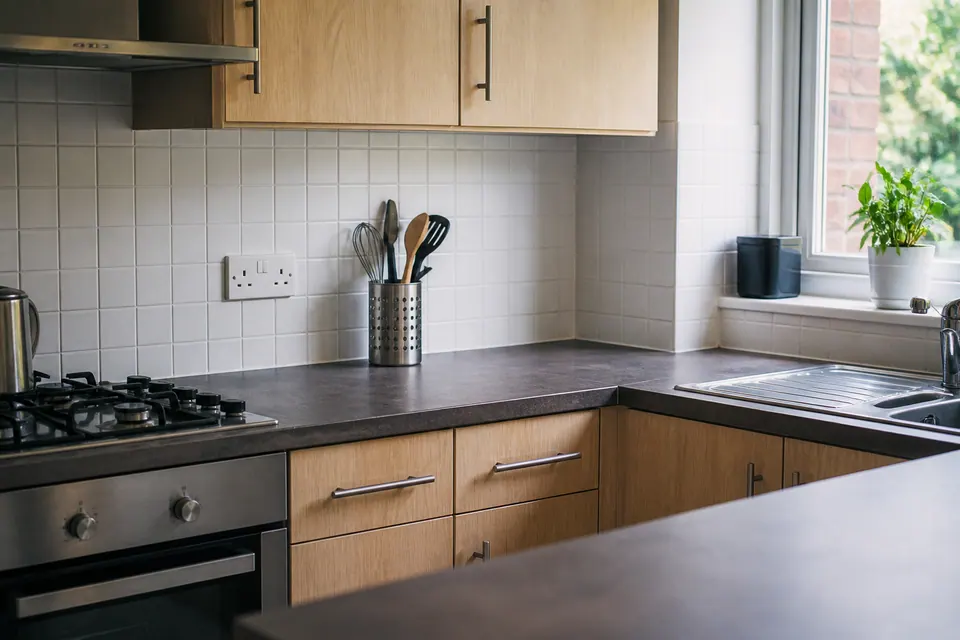
The scenes are illustrative, not a Hemel Hempstead multi-level case or verified outcome.
13 / CLEAR EXPECTATIONS
The report should retain what the observer actually saw.
An audible account does not become species identification.
A room outside the scope should not be treated as examined.
HEMEL HEMPSTEAD / QUESTIONS
Not automatically. Preserve each observation for assessment.
Name the room where heard, position and approximate time.
Mention its status and access; do not assume it has been examined.
Only expressly agreed areas should be expected.
Avoid speculative transfer; follow the preparation for the suspected pest and agreed method.
Attribute the direct observation accurately rather than presenting it as several sightings.
A visible gap is not proof of use. Discuss findings before proofing.
They can affect access and scope, so explain them early.
Yes. Give the product, timing and location where available.
Provide the floor, room, date and finding so the programme can be reviewed.
15 / TAKE THE NEXT STEP
Check coverage using the postcode and separate observations for each level. Agree the relevant assessment without forcing all reports into one diagnosis.
