
Mice
Material damage inside the home near a visible gap.
Mice controlPEST CONTROL / COULSDON
External openings and repair decisions.
Start with a clear account.
A visible opening may need maintenance, but its role in a pest problem still requires assessment. Share accessible evidence and existing repair plans before deciding on a control or proofing sequence.
01 / START WITH THE EVIDENCE
Keep the building feature separate from the evidence used to identify a pest or route.
Material damage inside the home near a visible gap.
Mice controlAn animal observed outside beside the building.
Rats controlPhysical traces around a resting place.
Bed bug treatmentRepeated insects near a kitchen fitting.
Cockroaches controlName the damaged item rather than treating the nearest opening as a confirmed explanation.
Describe the actual sighting and position without assuming the animal used a particular gap.
The opening does not diagnose a bedroom concern; resting-area evidence needs independent assessment.
Give dates and fitting details, keeping a suspected connection qualified.
09 / FROM FIRST CONTACT
These steps do not prescribe a repair method or guarantee that one closure resolves the concern.
Use a safe viewpoint and fixed reference rather than probing the feature.
Keep sightings or damage under their own dates and locations.
Mention other trades and planned alterations before assuming the sequence.
Clarify what can be considered without structural opening.
Distinguish treatment, recommendations and commissioned repairs.
Record changes to the feature when comparing subsequent observations.
08 / THE CONTROL PLAN
The enquiry should not assume that closing the nearest gap is automatically the right first action.
Record the feature and actual signs independently.
Accessible findings help determine what the opening may mean, with uncertainty retained where appropriate.
Any proposed building change should be coordinated and authorised rather than treated as an unrequested part of treatment.
05 / PROPERTY BRIEF
Describe what is visible from a safe position without treating it as a proven route.
Keep its condition unknown unless appropriately assessed; do not open it for the report.
Identify the responsible contact before wider work is considered.
Provide the relevant plan and timing as separate maintenance information.
Disclose occupants and practical restrictions before a method is selected.
Discuss your homeCheck suitability directly rather than applying domestic service information automatically.
Check the premises requirementsCOULSDON / PROPERTY CONTEXT
A visible defect can deserve maintenance without proving its role in a pest concern. Describe its position alongside actual sightings or damage, not as an established route.
Confirm the Coulsdon postcode and appropriate service directly. A pest enquiry does not automatically commission proofing, repairs or structural investigation.
Mention work already planned by the owner or another trade. Its timing may need discussion alongside the assessment rather than being assumed the first step.
Keep access limits explicit. Do not open the building fabric or approach unsafe positions to investigate the feature for the enquiry.
07 / SCOPE BEFORE A QUOTE
A Coulsdon proposal should distinguish pest work from changes to the building rather than combine them under an unexplained total.
from £120
See published service pricingfrom £150
See published service pricing| Service | Pricing basis | Price |
|---|---|---|
| Mice control | Activity, access and programme | Quote after assessment |
| Rat control | Internal / external routes and visits | Quote after assessment |
| Proofing / repairs | Surveyed openings and separate work | Quoted separately |
Confirm inclusions directly. Guides checked 27 August 2026; structural opening, repairs and proofing are not automatically covered by targeted treatment figures.
06 / SIGNS → LOCATION → NEXT STEP
| Pest problem | Signs to describe | Areas to mention | Next step |
|---|---|---|---|
| Mice | Material damage near a building edge | Actual damaged item and separate gap position | Ask what evidence supports the proposed route |
| Rats | Animal sighting outside | Observed position rather than an assumed entry | Discuss assessment before choosing the repair sequence |
| Bed bugs | Physical bedroom evidence | Resting-area finding independently located | Avoid explaining it through an unrelated opening |
| Cockroaches | Insects near a fitting | Sighting dates and visible equipment edge | Keep any hidden connection uncertain |
04 / AT A GLANCE
03 / OBSERVATION CHECKLIST
A clear account separates what the building looks like from what a pest was actually seen doing.
Do not disturb concealed spaces or close openings as an improvised diagnostic test.
Describe the gap or defect without declaring it the source.
Give sightings or damage their own date and position.
A safe reference can help locate the feature without measuring or probing it.
Explain proposed work and who is arranging it, keeping it separate from the pest request.
State what cannot be seen rather than guessing the condition behind it.
Record any alteration before later evidence is compared with the initial account.
10 / PROBLEM → TREATMENT → CONTROL
Review needs the relevant findings and subsequent activity, not appearance of the repaired feature alone.
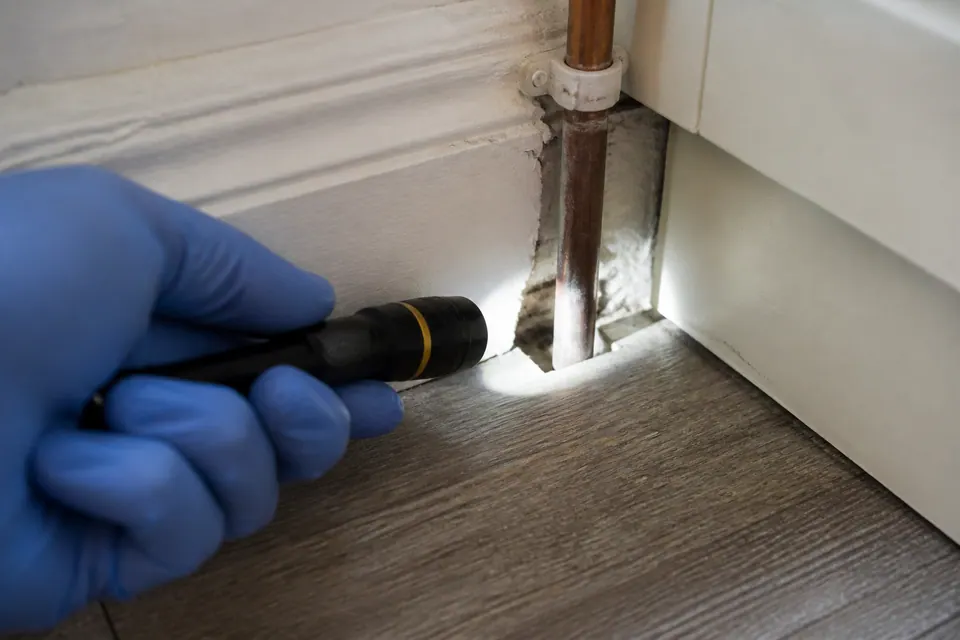
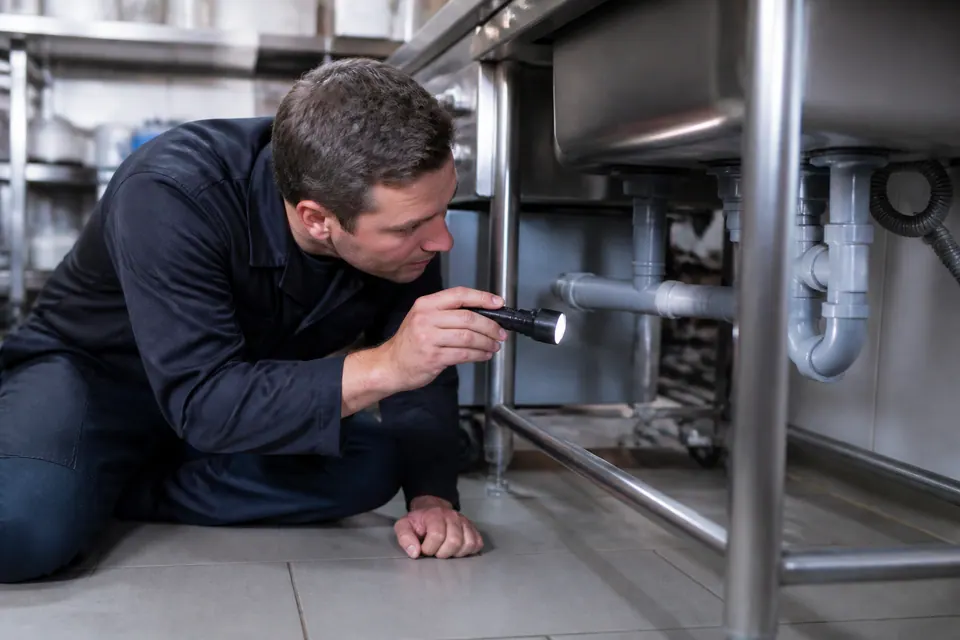
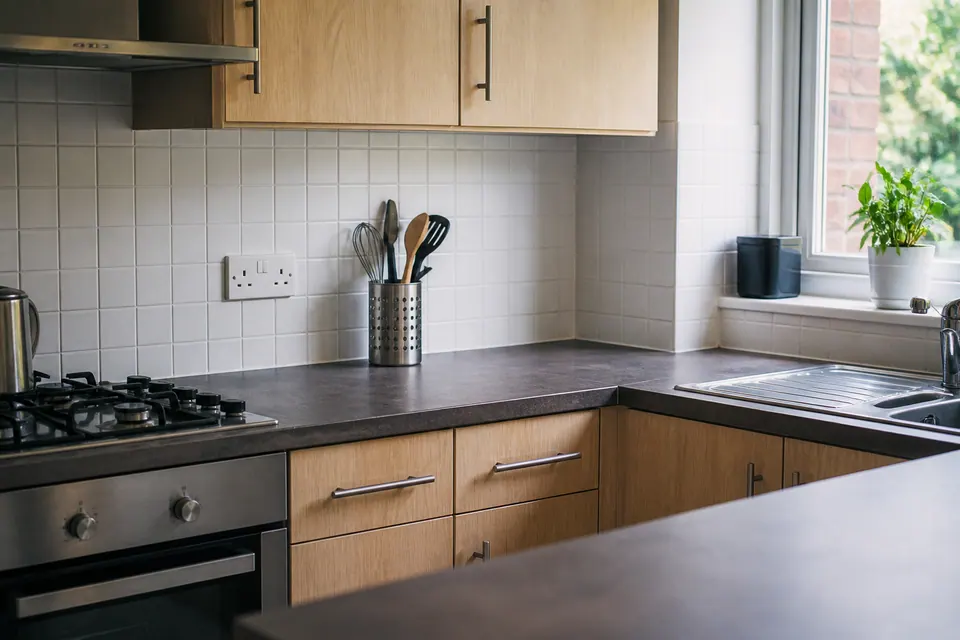
Illustrations are not Coulsdon repair records or proof of customer treatment results.
MAKE THE ENQUIRY SPECIFIC
Keep the feature and pest evidence separate until assessment supports a link.
Discuss the appropriate sequence instead of deciding from appearance alone.
Ask what is explicitly included and what belongs to another task.
Later observations still matter to the pest concern.
ADDRESS AND AVAILABILITY
Check the postcode and service, then describe the opening and independently observed signs.
The map cannot verify a route, building condition or repair scope.
Open Coulsdon in Google Maps ↗13 / CLEAR EXPECTATIONS
The visible defect should not become a confirmed source without supporting findings.
Separate building tasks need clear authorisation and scope.
A changed feature does not replace activity evidence in review.
COULSDON / QUESTIONS
No. Describe it separately from actual pest observations.
Discuss the evidence and appropriate sequence rather than assuming closure should be first.
Yes, as maintenance context distinct from the pest service request.
Do not assume inclusion; ask what is agreed and what is only recommended.
Do not open concealed spaces for the enquiry. Explain the access limit.
Identify the responsible contact and relevant permission.
A photograph can show a feature without proving unseen movement through it.
Not by itself; review should consider subsequent evidence.
The responsible party must agree the relevant task rather than assuming residential treatment covers it.
Keep dates and note any alteration to the feature between observations.
15 / TAKE THE NEXT STEP
Provide the visible opening, actual signs and existing work plans as separate facts so assessment can guide the next decision.
