
Ground-floor finding
Name the room and actual position.
PEST CONTROL / BROMLEY
House-wide observations.
Keep the floor detail in a house-wide report.
A description such as in the house can combine an upstairs mark with a separate kitchen sighting. For a Bromley enquiry, give each observation its floor, room and date. Explain unexamined areas and visible connections without turning them into a proven route.
BROMLEY / PROPERTY CONTEXT
The floor reference can help organise evidence while still leaving the connection between observations uncertain. Use the actual layout rather than a general property description.
If a room is closed or rarely entered, state that its condition is unknown. Lack of a report does not prove it is unaffected.
Describe an accessible connection where one is known, but do not open floors or panels to search for one. A possible route is not an established finding.
Ask which levels the proposed assessment covers. A house address should not leave room access and exclusions implicit.
03 / OBSERVATION CHECKLIST
Keep physical findings and direct sightings separately dated.
Avoid opening structures or disturbing suspect material to connect the reports.
Name the room and actual position.
Give its discovery date and known history.
State it has not been checked rather than declaring it clear.
Record where the animal or insect was observed.
Explain any transfer between floors.
Describe what is visible without claiming a proven route.
06 / SIGNS → LOCATION → NEXT STEP
| Pest problem | Signs to describe | Areas to mention | Next step |
|---|---|---|---|
| Mice | Mouse-like storage marks | Floor, room and item | Separate events from moved contents. |
| Rats | Larger rodent seen | Actual sighting position | Avoid extending it across the house. |
| Bed bugs | Physical bed evidence | Specific bedroom and bed | Seek identification from that finding. |
| Cockroaches | Recurring insects | Fitting and event record | Keep different-floor reports distinct. |
08 / THE CONTROL PLAN
A connected building does not prove a connected pest route.
Accessible observations can be considered while unexamined areas and uncertain connections remain explicit.
The method and household instructions should match the established concern and actual scope.
Later findings need their own level and position rather than a general statement about the whole home.
09 / FROM FIRST CONTACT
Expand the stages before moving items or opening panels.
Name the actual rooms with evidence.
Separate discovery from direct events.
Keep unknown conditions visible in the brief.
Follow advice without redistributing contents between floors.
Use the same floor and room references.
Another level or room may need an explicit scope discussion.
01 / START WITH THE EVIDENCE
Findings on different floors do not automatically identify one connected problem.
Damage or marks at specific storage positions.
Mice controlA larger rodent directly observed.
Rats controlPhysical signs around a named bed.
Bed bug treatmentRecurring insects near a fitting.
Cockroaches controlKeep the cupboard and date for each finding. Do not count a moved object as independent evidence on two floors.
State the actual position and any uncertainty rather than extending it to the whole house.
Describe physical findings at each bed separately from symptoms or reports elsewhere.
Give the fitting and earlier products, keeping upper-floor observations independently recorded.
07 / SCOPE BEFORE A QUOTE
Confirm which reported levels can be assessed and what is excluded. A whole-house phrase should not replace a clear area list.
from £120
See published service pricingfrom £150
See published service pricing| Service | Pricing basis | Price |
|---|---|---|
| Mice control | Mouse evidence in agreed rooms | Assessed quotation |
| Rat control | Rat concern and programme | Scope-specific quote |
| Proofing / repairs | Further structural or other tasks | Separate agreement |
Guides checked on 27 August 2026 provide starting amounts. Confirm Bromley coverage and included levels before relying on a whole-home price assumption.
05 / PROPERTY BRIEF
Keep each reported position identifiable.
Describe physical findings at their sleeping areas.
Explain the gap in observation.
Mention the practical limitation before scope is agreed.
Check suitability separately rather than folding it into a residential house description.
Check the premises requirements04 / AT A GLANCE
MAKE THE ENQUIRY SPECIFIC
Mention that observation gap.
Keep its earlier position so it is not counted twice.
Describe only what is known without opening structures.
Clarify the remaining reported areas before accepting a whole-house interpretation.
10 / PROBLEM → TREATMENT → CONTROL
The assessed evidence and agreed review define the next step. Rooms not examined remain limitations rather than assumed results.
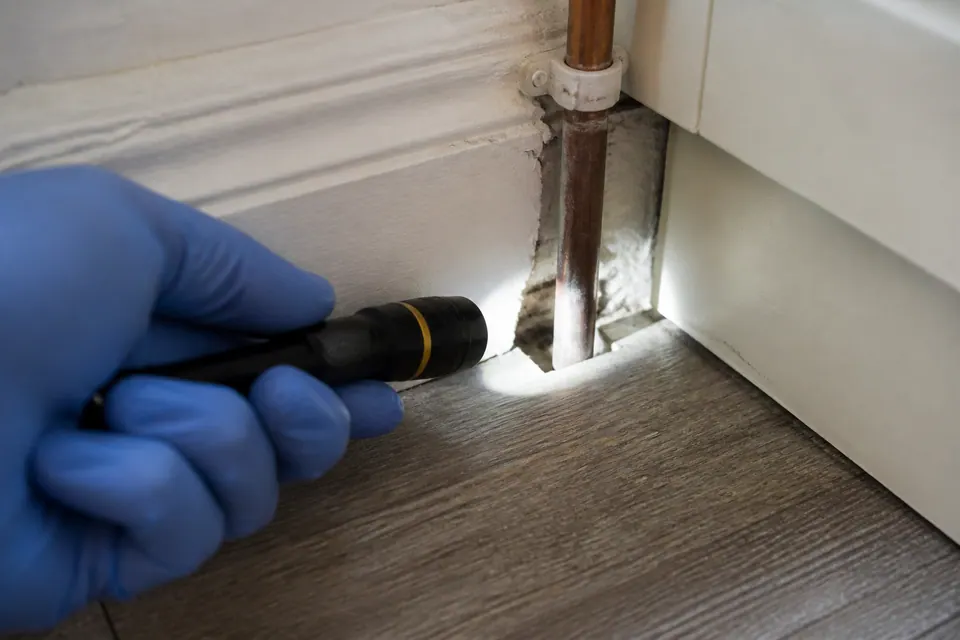
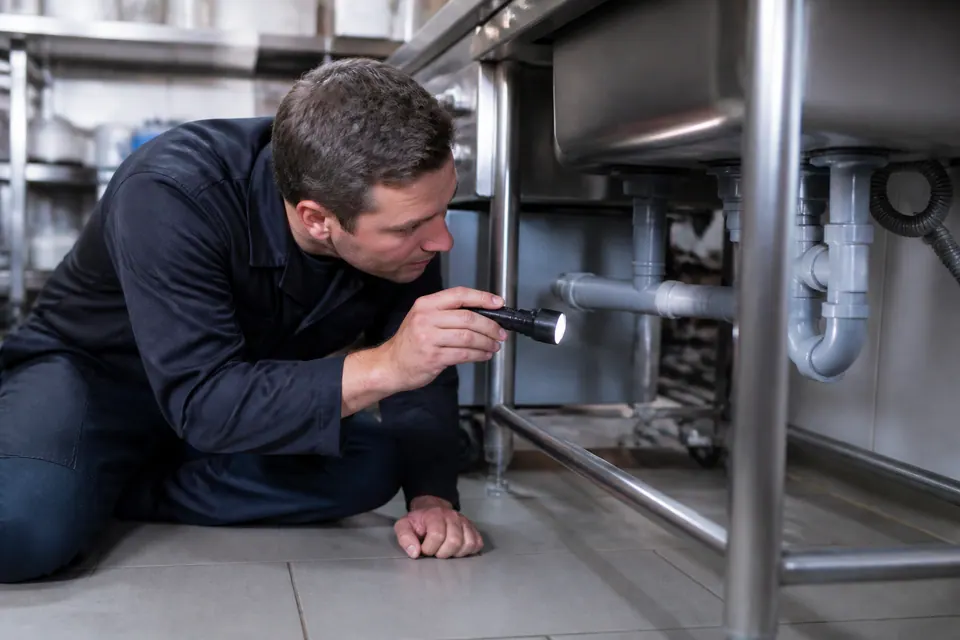
Generated scenes are not a Bromley multi-level survey or proof of household clearance.
ADDRESS AND AVAILABILITY
Provide the postcode and explain access to the rooms actually mentioned.
Check availability and scope before preparing other floors. The map is an area reference, not a local Alesta whole-house service guarantee.
Open Bromley in Google Maps ↗13 / CLEAR EXPECTATIONS
Which level and room has the finding?
Which areas have not been checked?
Which levels are actually included in the proposal?
BROMLEY / QUESTIONS
Give each its own floor, room and date rather than using only a whole-house description.
No. A possible connection needs assessment rather than being assumed from the address.
State it has not been checked and keep its condition unknown.
Record the earlier and current positions so the same item is not treated as independent evidence twice.
Do not open panels or floors simply to investigate a route theory.
Not automatically. Confirm the actual area list.
Keep it as a new dated event, distinct from an undated mark elsewhere.
Obtain method-specific household instructions for the areas involved, not a rule based on storeys.
Clarify the new room and access, then ask whether the proposal needs adjustment.
Use precise level and room references in later reports so evidence remains comparable.
15 / TAKE THE NEXT STEP
Call with the room list and known observation gaps. Confirm the actual assessment area before assuming whole-home treatment.
