
Mice
Small droppings or packet damage may prompt a mouse enquiry.
Mice controlPEST CONTROL / EDGWARE
The same shelf can tell
a different story on different days.
Marks discovered after a cupboard has been cleaned can raise concern about continuing activity. Record what changed and when, including products already applied, without handling suspect material or testing another treatment yourself.
01 / START WITH THE EVIDENCE
Food storage can supply useful evidence, but one mark does not identify every pest.
Small droppings or packet damage may prompt a mouse enquiry.
Mice controlLarger signs require assessment rather than a size-based guess.
Rats controlBed-related physical traces need a separate account.
Bed bug treatmentInsects returning near kitchen equipment merit identification.
Cockroaches controlFor suspected mice, describe both the packet damage and any distinct sighting. Avoid presenting one as proof of the other.
A possible rat report should include relevant outside or basement observations without opening covers or disturbing waste.
A cupboard report alone does not establish bed bugs. Physical evidence around resting furniture belongs in a separate assessment discussion.
For recurring kitchen insects, note their position relative to appliances, moisture and food storage, plus earlier products.
09 / FROM FIRST CONTACT
Keep the observation history available as the enquiry progresses.

Provide the postcode, shelf location and first known discovery.
Add safe photographs and distinguish observed activity from assumptions about old marks.
List previous cleaning and products before the scope and method are agreed.
Follow the preparation and working restrictions given for that booking.
Use dates to describe new findings rather than declaring every remaining mark fresh activity.
Discuss any storage or entry-point recommendations without assuming separate repairs are included.
08 / THE CONTROL PLAN
A timeline helps the stages connect without turning guesswork into a diagnosis.
The available signs and discovery history are considered together, including any material already removed.
The selected method reflects the supported pest and occupants rather than simply repeating an earlier unverified product.
Later observations should use the same location reference and follow the monitoring advice provided.
05 / PROPERTY BRIEF
Identify whose observations are first-hand and keep separate discoveries dated.
Fixed panels and inaccessible rear edges should be disclosed before their examination is assumed.
The occupant can provide the sequence while the landlord may need to approve work beyond the cupboard.
A private household booking does not authorise examination of a shared store.
The residential discussion should cover the affected storage, evidence and daily users.
Discuss your homeCommercial stock and food-premises requirements need a suitability check rather than a residential treatment assumption.
Check the premises requirementsEDGWARE / PROPERTY CONTEXT
Check coverage using the full postcode. The useful property detail is then the actual storage location and sequence of discoveries, not an assumption about pest prevalence in the area.
A label such as “lower shelf beside the sink” lets later reports refer to the same place. “The kitchen again” leaves too much uncertainty.
Separate the date a mark was noticed from the date it was believed to appear. If its age is unknown, say so.
Any cleaning, spray or other intervention belongs on the timeline. It can change what remains visible and is relevant to the next assessment.
07 / SCOPE BEFORE A QUOTE
Repeated marks do not establish which programme is appropriate. A quote should follow the identification and agreed extent rather than the number of times the cupboard was cleaned.
from £120
See published service pricingfrom £150
See published service pricing| Service | Pricing basis | Price |
|---|---|---|
| Mice control | Activity, access and programme | Quote after assessment |
| Rat control | Internal / external routes and visits | Quote after assessment |
| Proofing / repairs | Surveyed openings and separate work | Quoted separately |
Starting figures checked 27 August 2026. Confirm postcode coverage, inclusions and the review arrangement before agreeing a total.
06 / SIGNS → LOCATION → NEXT STEP
| Pest problem | Signs to describe | Areas to mention | Next step |
|---|---|---|---|
| Mice | Small material or packet damage | Exact food-storage shelf | Report the discovery sequence |
| Rats | Possible larger-animal signs | Relevant internal and external locations | Arrange assessment without handling waste |
| Bed bugs | Marks around resting furniture | Bedroom reference separate from kitchen | Seek identification from physical evidence |
| Cockroaches | Insects returning near equipment | Appliance edge and nearby storage | Include intervening products and cleaning |
04 / AT A GLANCE
03 / OBSERVATION CHECKLIST
Several observations can support assessment better than one undated photograph.
Do not handle droppings or suspect food simply to compare findings.
Droppings or tracks should be recorded by shelf and discovery date.
Scratching nearby is a distinct observation; its timing may differ from visible signs.
Gnawed packets need their storage location and an honest account of when the damage was noticed.
Spotting or shed material near a bed should not be folded into a kitchen report; bites alone are insufficient.
Insects repeatedly seen beside an appliance need dates and positions, including any product use between sightings.
Outdoor movement or nesting material is another account, observed without disturbance and checked for service suitability.
10 / PROBLEM → TREATMENT → CONTROL
Cleaning changes appearance. Review concerns changes in activity and the findings considered under the agreed programme; those are not interchangeable measures.
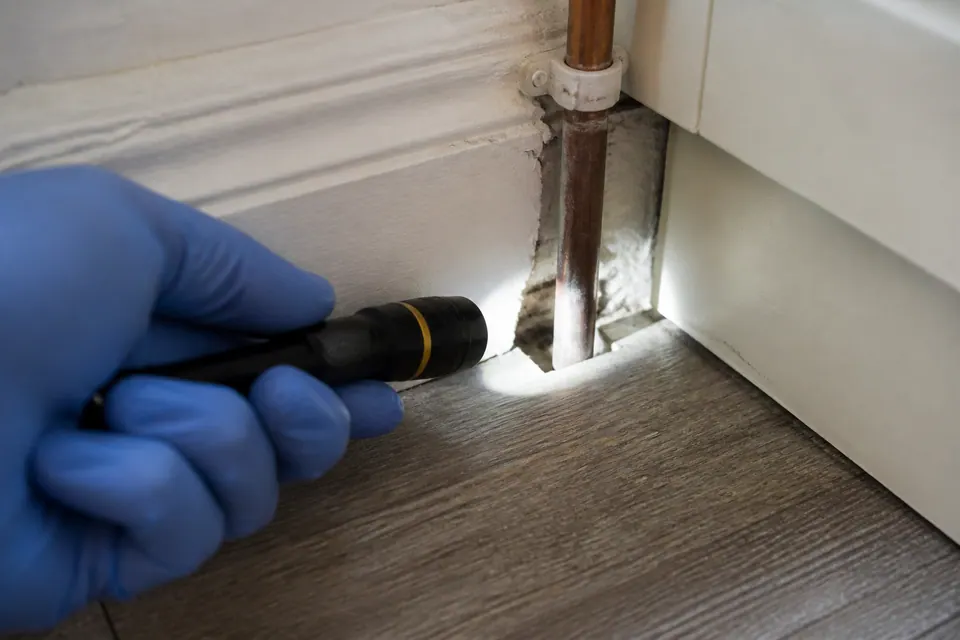
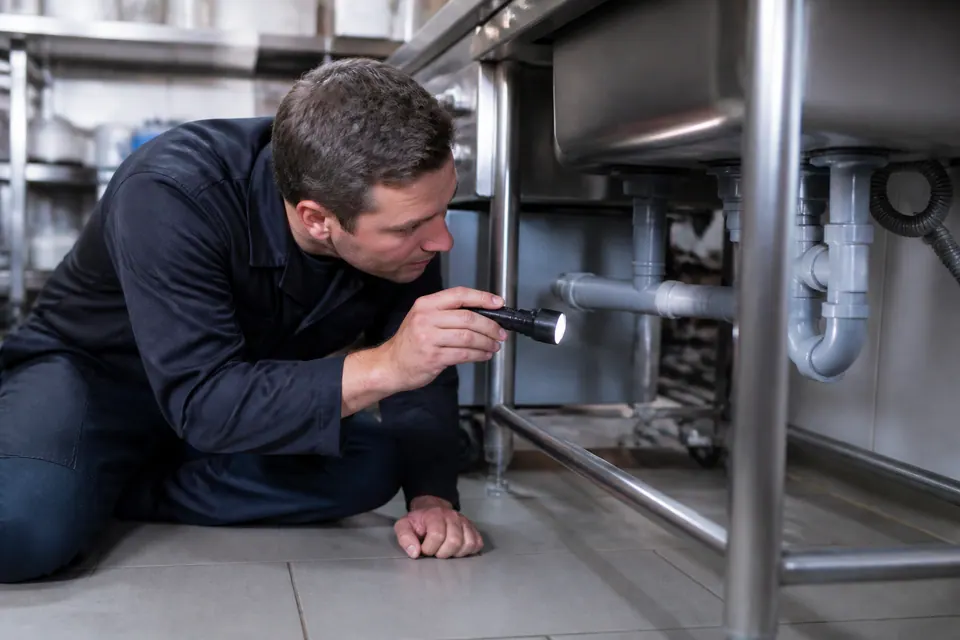
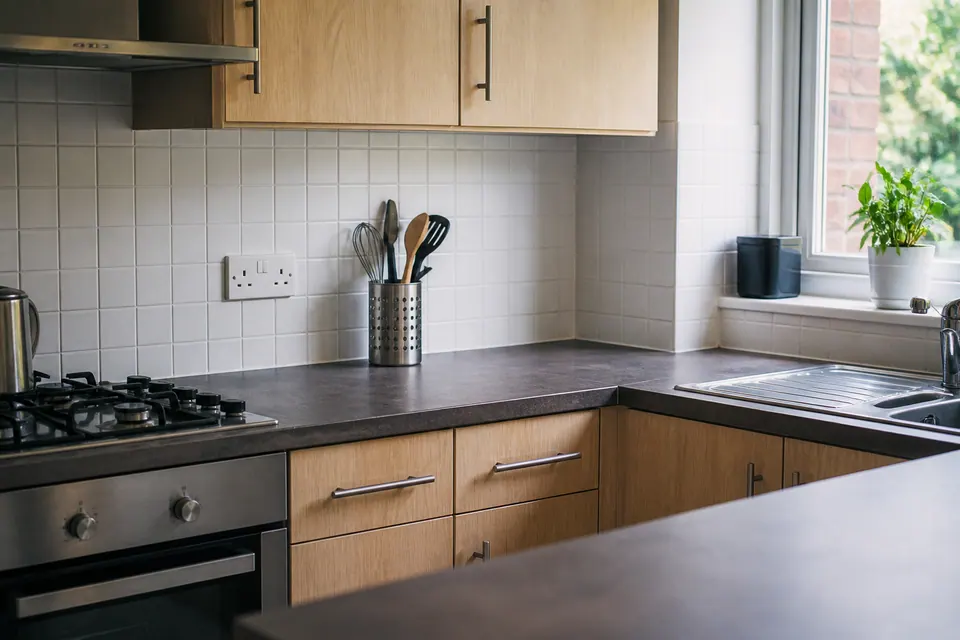
These are explanatory inspection scenes, not evidence of an Edgware customer’s result.
MAKE THE ENQUIRY SPECIFIC
Give that date alongside the new discovery so the sequence is clear.
State the uncertainty. An assumed age should not become evidence of continuing activity.
Create a separate room entry and notify the team; the scope may need review.
Supply their details and timing rather than trying another product to see whether it works.
ADDRESS AND AVAILABILITY
Use the property postcode and entrance details when discussing attendance.
The cupboard history helps scope the enquiry, but location coverage and an appointment still need confirmation.
Open Edgware in Google Maps ↗13 / CLEAR EXPECTATIONS
Discovery and cleaning dates help avoid confusion over what changed.
Packet damage, sightings and unknown marks are related questions, not identical evidence.
The handover should explain how later observations are reported.
EDGWARE / QUESTIONS
Yes, discovery time and origin time can be different. State what is known rather than assigning an unsupported age.
Do not handle suspected contamination to create a comparison. Explain the observation and use a photograph only if it can be taken safely.
Disclose what was done and when, along with any earlier photographs or observations.
Damage alone does not establish a species. Other signs and assessment help determine the appropriate response.
Dated images can help, provided they are taken safely and refer to the same clearly identified location.
Avoid experimenting to test a theory. Give the team the existing treatment history and request appropriate advice.
No. Keep people and animals away from suspected contamination while the cause is assessed; a concern about stored food does not name the pest.
Separate each person’s direct observations and agree one clear location reference for the record.
Appearance alone cannot demonstrate that activity has ended. Follow the monitoring and review guidance.
Give its date, exact shelf or room and the type of finding, including anything changed since the previous report.
15 / TAKE THE NEXT STEP
Bring the dated observations and intervention history to the enquiry. Check coverage, then agree the appropriate assessment rather than repeating a speculative treatment.
