
Noise over a different room
Locate the sound from the room where you heard it; transmitted noise can be hard to place.
PEST CONTROL / ENFIELD
Heard overhead does
not mean identified.
Scratching above a bedroom and damage downstairs may have different explanations. Keep those reports separate until accessible evidence supports a connection; avoid entering a loft to prove a theory.
MAKE THE ENQUIRY SPECIFIC
Locate the sound from the room where you heard it; transmitted noise can be hard to place.
State when the photograph was taken rather than presenting it as today’s condition.
Record its discovery date separately; it does not prove the timing of the damage.
Attribute that account to the neighbour and avoid assuming both reports share one cause.
06 / SIGNS → LOCATION → NEXT STEP
| Pest problem | Signs to describe | Areas to mention | Next step |
|---|---|---|---|
| Mice | Food packaging damage | Storage below the reported ceiling | Describe the damage separately |
| Rats | Possible exterior activity | Accessible building edge | Report without opening covers |
| Bed bugs | Shed material by a headboard | Sleeping area rather than loft | Request bed-related assessment |
| Cockroaches | Repeated insect appearance | Warm equipment downstairs | Keep an independent sighting record |
09 / FROM FIRST CONTACT
Each step should narrow uncertainty rather than conceal it.
Give the room, approximate timing and duration of each audible episode.
Show the accessible findings without combining them into a preselected diagnosis.
Ask what can be inspected safely and what will remain outside the agreed work.
Follow the preparation given for the supported pest and chosen method.
Report further sounds with dates, including whether physical signs have also changed.
Discuss relevant prevention only after routes and responsibilities have been considered.
08 / THE CONTROL PLAN
A noise-led enquiry begins with uncertainty.
The assessor compares the account with accessible physical findings and records any unexamined area.
A method follows supported identification, not the assumption that all scratching requires the same intervention.
Further observations can help refine the picture, while any building work remains a separately defined task.
05 / PROPERTY BRIEF
Find out whether the space above belongs to the flat or is controlled by building management.
Explain the hatch location without promising safe entry that has not been established.
Ask who can authorise access to any locked storage or roof area.
A private-room appointment is not permission to open a communal void.
Start with the audible report and accessible signs within the home.
Discuss your homeCommercial premises and specialist access requirements need confirmation before a booking is assumed suitable.
Check the premises requirementsADDRESS AND AVAILABILITY
Give the property postcode and the entrance used to reach the affected room.
Ask about coverage before attendance is assumed. Include any roof-space permission or key that must be arranged.
Open Enfield in Google Maps ↗07 / SCOPE BEFORE A QUOTE
An overhead report does not establish the species, method or extent. Confirm what accessible inspection the quote includes before assuming a treatment price applies.
from £120
See published service pricingfrom £150
See published service pricing| Service | Pricing basis | Price |
|---|---|---|
| Mice control | Activity, access and programme | Quote after assessment |
| Rat control | Internal / external routes and visits | Quote after assessment |
| Proofing / repairs | Surveyed openings and separate work | Quoted separately |
Starting service guides checked 27 August 2026; verify Enfield coverage, scope and the price of any separately required specialist work.
ENFIELD / PROPERTY CONTEXT
First check attendance for your postcode. For the inspection brief, a simple description of the room below the noise can be more useful than calling it a loft infestation.
Say whether the noise seems stationary or moves across the ceiling. Record the occasion without claiming a particular hidden route.
Mention whether anyone has safely seen inside the loft previously and whether that information is current. Do not turn an old recollection into a new finding.
A locked hatch, no safe access or stored belongings can limit examination. Explain these before the visit so the proposed scope acknowledges them.
03 / OBSERVATION CHECKLIST
Separate records allow an assessor to test whether reports belong together.
Never enter an unsafe roof space or disturb a possible nest for evidence.
Name the cupboard containing droppings or tracks, even if the sound was upstairs.
Note the ceiling position and approximate time of scratching; it cannot identify the species on its own.
Describe gnawed material without assigning teeth marks to a species.
Record bed-frame spotting or shed material separately from a skin reaction.
Recurring insect sightings need their own room and timing.
Observe exterior movement or nesting material only from a safe position without disturbing it.
01 / START WITH THE EVIDENCE
Use the relevant service as a discussion point, not a diagnosis made from noise.
Small marks beside stored food merit examination.
Mice controlHeavier movement is not enough to identify rats.
Rats controlBed-frame traces need their own assessment.
Bed bug treatmentRecurring appliance-side insects need identification.
Cockroaches controlA suspected mouse report is stronger with locations of physical signs than a description of volume alone.
For possible rats, include exterior observations but do not lift drain covers or enter unsafe voids.
An overhead noise does not establish bed bugs. Report bedroom traces independently of anything heard above the ceiling.
An insect seen in a kitchen may be unrelated to loft movement. Keep the sighting history distinct.
04 / AT A GLANCE
10 / PROBLEM → TREATMENT → CONTROL
Noise may be intermittent. Review the account alongside physical findings instead of treating silence or a tidy loft photograph as proof.
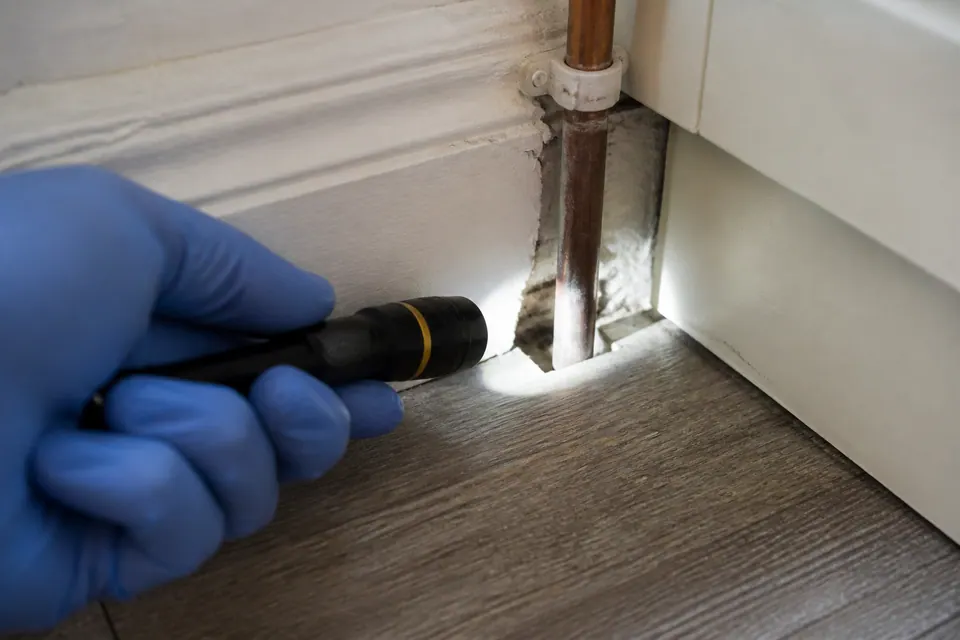
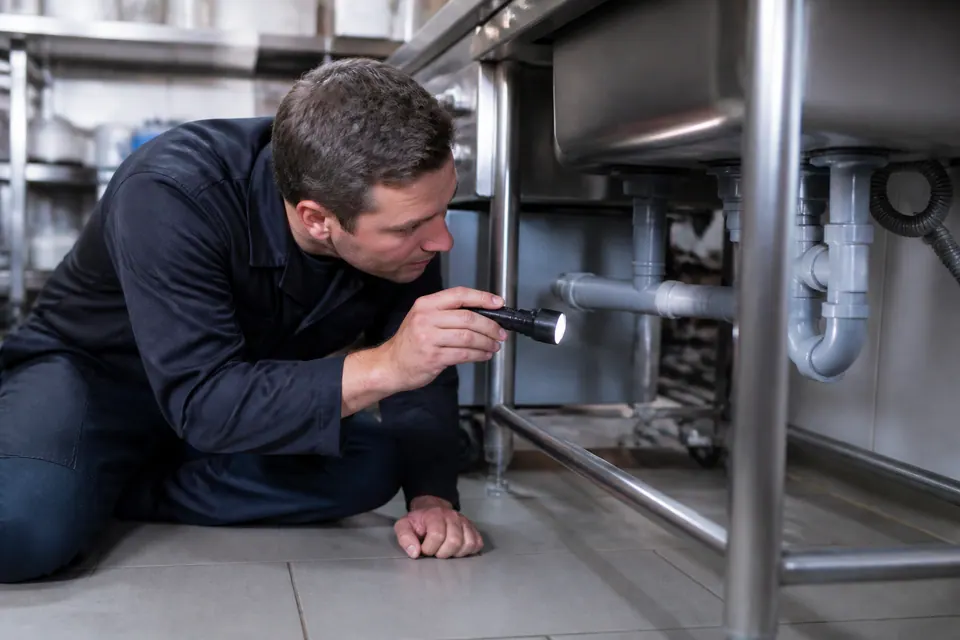
Illustrations show inspection concepts, not a diagnosed Enfield roof-space case.
13 / CLEAR EXPECTATIONS
A species should not be presented as certain solely from an audio description.
Any inaccessible hatch or concealed space belongs in the scope discussion.
The proposed intervention should follow the findings available.
ENFIELD / QUESTIONS
A recording can accompany the time and room description, but it cannot guarantee species identification.
Volume alone is not a dependable identification. Explain the circumstances and any physical signs.
Do not enter or disturb the space merely to prepare on assumption. Ask for advice appropriate to the planned inspection.
Structural opening is not automatically part of pest control. Any such work needs a separately agreed scope.
Arrange permission through the responsible person; your own booking does not authorise entry elsewhere.
The verified links are for four named pest services, not all wildlife. Check suitability for an unknown or suspected bird.
Explain when and where the image was taken. Older material does not by itself establish current activity.
Do not undertake speculative sealing. Discuss the route and appropriate sequence before changes are made.
No repair should be assumed included. Ask who would assess and price any building defect separately.
Provide the update. Intermittent sound and the earlier physical evidence can still be discussed together.
15 / TAKE THE NEXT STEP
A precise account helps start the right conversation. Send the postcode, room below the noise and any independent physical findings, then check the available assessment.
