
Traces near the threshold
Describe the visible surface and its position relative to the cupboard door.
PEST CONTROL / HAYES
Utility cupboards and inaccessible pipework.
Describe the accessible evidence, not the unseen equipment.
A utility cupboard can contain equipment that should not be disturbed for a pest enquiry. Describe accessible signs and fixed obstructions so the inspection can be planned without unsafe disassembly.
03 / OBSERVATION CHECKLIST
The account can acknowledge a limited view without trying to remove the limitation yourself.
Do not open technical equipment, enter restricted spaces or handle suspect waste for the enquiry.
Describe the visible surface and its position relative to the cupboard door.
Name the object and where it was stored. Damage alone cannot identify a particular pest.
Record the timing and direction while keeping the source uncertain.
Note where it appeared and whether it has recurred at the same accessible point.
Describe the known maintenance issue separately from the pest observation.
Keep each room’s evidence distinct rather than assuming an unseen service route connects them.
HAYES / PROPERTY CONTEXT
Explain whether the cupboard is part of the dwelling’s ordinary storage or contains equipment controlled by a manager or specialist. The distinction affects what can be assumed about access.
State which signs can be seen without opening panels. A photograph is optional and should not require reaching into equipment or a potentially contaminated recess.
If a key or authorised person is needed, identify that requirement before attendance is discussed. An unlocked door does not automatically authorise work on the equipment inside.
Confirm postcode coverage and the proposed residential scope. Pest assessment, equipment servicing and alterations to building systems remain separate tasks unless explicitly agreed.
04 / AT A GLANCE
08 / THE CONTROL PLAN
The aim is to understand the pest concern without assuming authority to work on the building’s equipment.
The report and accessible evidence support the assessment. Unknown areas should remain clearly described.
The method must suit the identified problem, household and agreed scope. A panel or service connection is not altered simply because it is nearby.
Further observations may indicate another step or a need for separately arranged access. Monitoring and equipment maintenance should remain distinct.
10 / PROBLEM → TREATMENT → CONTROL
Access may answer an inspection question, but it does not alone establish identification or control. Progress depends on the relevant findings.
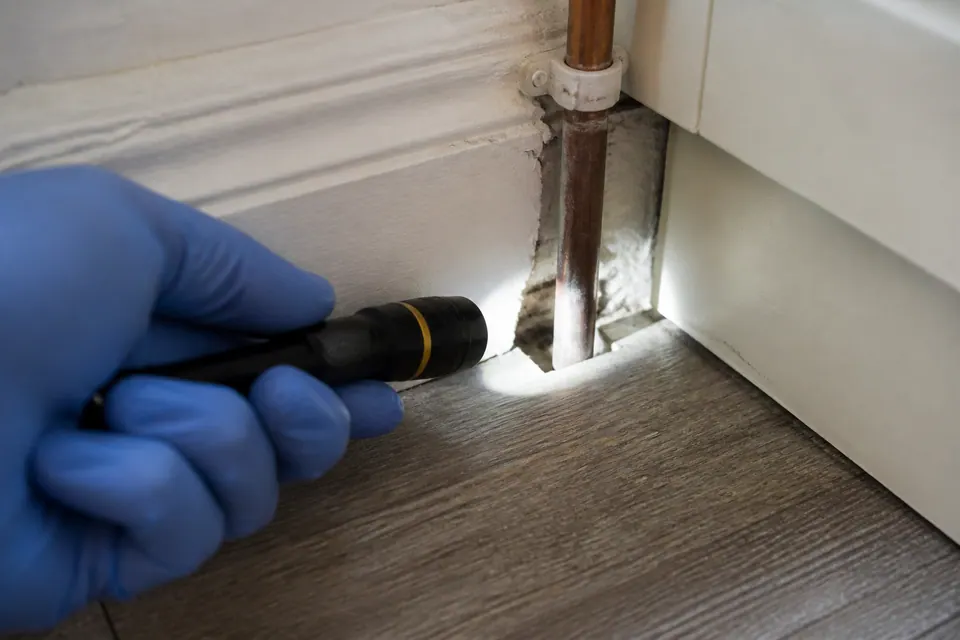
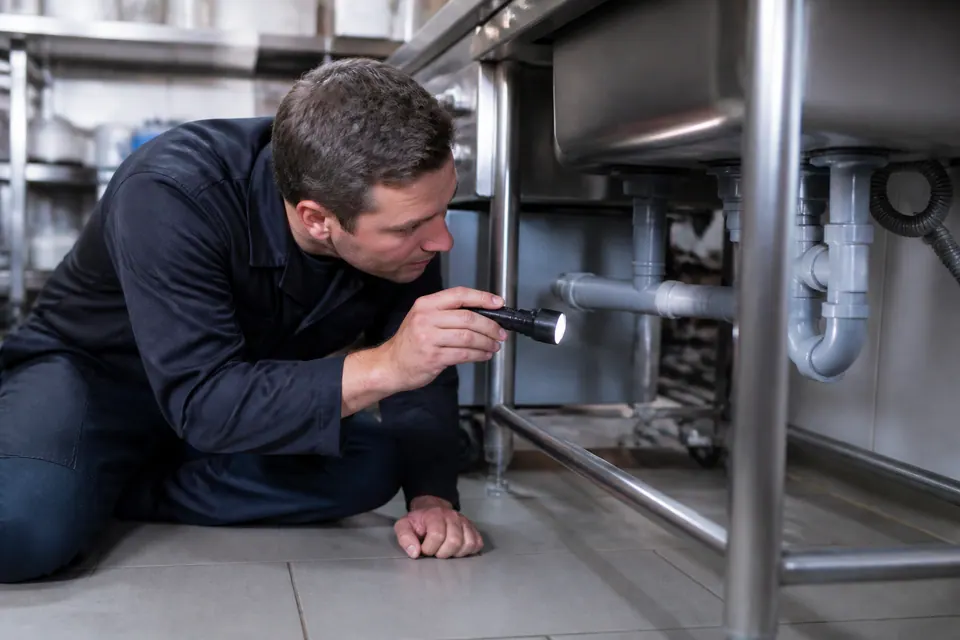
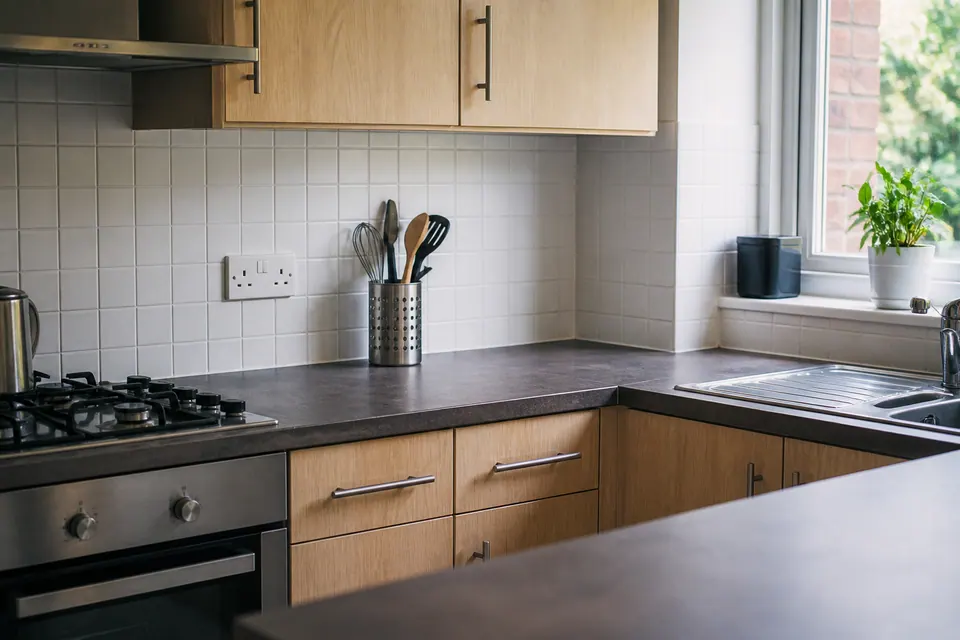
The illustrations are not a Hayes equipment inspection, customer result or claim that concealed activity has ended.
07 / SCOPE BEFORE A QUOTE
A pest quote should identify what can be assessed and any excluded technical work. A service cupboard is not an automatic appliance or systems-repair package.
from £120
See published service pricingfrom £150
See published service pricing| Service | Pricing basis | Price |
|---|---|---|
| Mice control | Activity, access and programme | Quote after assessment |
| Rat control | Internal / external routes and visits | Quote after assessment |
| Proofing / repairs | Surveyed openings and separate work | Quoted separately |
Guides checked 27 August 2026. Confirm current prices and address coverage. Equipment opening, electrical or plumbing work and wider building services require separate clarification.
01 / START WITH THE EVIDENCE
A service cupboard can limit access, but its contents do not by themselves identify the pest or source.
Possible traces beside a cupboard or pipe entry.
Mice controlA sighting or sound that needs a precise description.
Rats controlPhysical signs associated with sleeping furniture.
Bed bug treatmentRepeated insects near an accessible fitting.
Cockroaches controlGive the room and exact edge containing the finding. Do not remove equipment covers to establish what lies beyond it.
Keep sounds separate from animals actually observed. An inaccessible space should remain an uncertainty rather than a species diagnosis.
Describe any bedroom findings independently. A service-cupboard concern does not establish bed bugs elsewhere in the home.
Note the position and recurrence, including known moisture and earlier products. Technical equipment should not be disturbed to follow an insect.
05 / PROPERTY BRIEF
Describe its equipment and visible findings without assuming everything inside can be inspected.
Identify the responsible contact and keep it separate from the private dwelling’s scope.
Mention the restriction before attendance. Technical authorisation is not created by a pest booking.
Distinguish ordinary stored items from controlled equipment when explaining obstructions.
Supply household and room-use details relevant to preparation.
Discuss your homeCheck commercial suitability directly; residential guidance does not confirm a service for business systems or premises.
Check the premises requirements06 / SIGNS → LOCATION → NEXT STEP
| Pest problem | Signs to describe | Areas to mention | Next step |
|---|---|---|---|
| Mice | Possible traces beside a cupboard edge | Visible threshold or nearby room surface | Report the finding without opening equipment |
| Rats | A sound or directly observed animal | Exact position and whether it was actually seen | Retain uncertainty about concealed activity |
| Bed bugs | Physical signs around bedroom furniture | The separately reported sleeping area | Do not infer a diagnosis from the service-space concern |
| Cockroaches | Recurring insects at an accessible fitting | Named position and any known moisture | Disclose products and controlled-access limits |
MAKE THE ENQUIRY SPECIFIC
Explain that dependency before assuming the space can be included.
Keep the internal restriction in the report; the outer door does not define technical permission.
Describe the proposed work and timing without assuming it includes pest assessment.
State the visible position accurately. Proximity does not establish that the equipment space is the source.
09 / FROM FIRST CONTACT
A useful report does not require the resident to become an equipment inspector.

Give the position and date of the sign without reaching into the restricted area.
Explain which doors or panels require a specialist or management approval.
Provide relevant keyholder details with permission where needed.
Ask what can be examined and what remains outside the appointment.
Do not add products or dismantle fittings in an attempt to prepare the hidden space.
Keep subsequent signs dated and distinguish them from the original limited observation.
13 / CLEAR EXPECTATIONS
Visible findings should support the pest enquiry without a confident claim about hidden systems.
The proposed inspection must reflect the permissions actually available.
Technical work should be distinguished from treatment and any review arrangements.
ADDRESS AND AVAILABILITY
Supply the full postcode and explain where the cupboard sits relative to the occupied rooms.
Confirm coverage and relevant access arrangements before attendance. The map identifies the area, not permission to inspect controlled equipment.
Open Hayes in Google Maps ↗HAYES / QUESTIONS
No such preparation should be assumed. Describe the visible evidence and the restriction without opening technical equipment.
Yes. Give the timing and position while keeping the species and source uncertain.
No. Clarify the equipment restrictions and the actual agreed scope.
Report it as a known maintenance issue, not a diagnosis or proof of source.
Only where appropriately authorised and expressly included. Keep it distinct from the private home scope.
Clarify the responsible contact and separate arrangements; do not assume a pest booking commissions technical work.
Not automatically. Ask for any separate recommendation or exclusion to be made clear.
Do not assume it is appropriate. Disclose products already used and follow the selected service’s instructions.
Report it as a single observation with its position. Do not turn it into a claim of established hidden activity.
It may allow another question to be considered, but the findings and proposed next step still need assessment.
15 / TAKE THE NEXT STEP
Call with the visible signs and controlled-access details. Confirm the available scope without assuming equipment opening or repair is part of pest treatment.
