
Mice
Droppings or gnawed packaging within the flat.
Mice controlPEST CONTROL / BARKING
A shared refuse concern does not
define the finding inside your flat.
Keep indoor observations clear and separate from reports about the building’s waste facilities. A private appointment cannot authorise communal treatment; identify the manager or responsible contact if access beyond the dwelling may need discussion.
01 / START WITH THE EVIDENCE
These links cover four pest services. A concern about refuse does not itself identify the cause of an indoor sign.
Droppings or gnawed packaging within the flat.
Mice controlPossible rodent signs in a specified location.
Rats controlPhysical traces around sleeping furniture.
Bed bug treatmentRecurring insects near kitchen equipment.
Cockroaches controlFor suspected mice, retain the cupboard or room where the sign was found instead of replacing it with a general building report.
Rat-related exterior observations should be attributed and located. Do not enter restricted refuse facilities or open covers to investigate.
Bed-related physical findings need their own assessment; they should not be inferred from shared waste arrangements.
Recurring appliance-side insects merit a direct sighting history, including products already used inside the flat.
09 / FROM FIRST CONTACT
Keep the resident and building contact informed for the parts they can actually authorise.
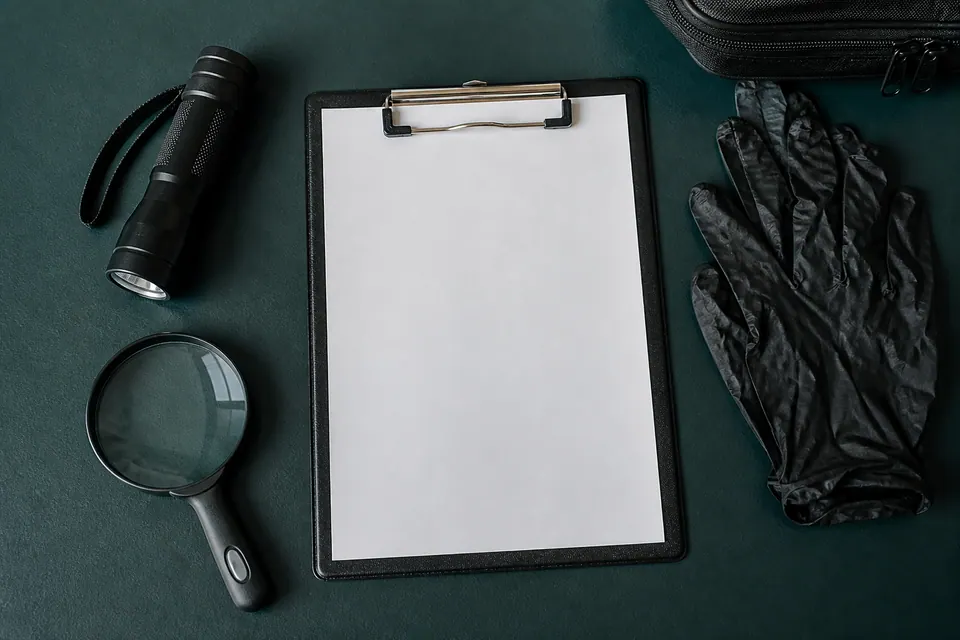
Provide the flat postcode and direct indoor observations.
Add communal reports with their location, date and source.
Confirm private access and the manager responsible for any wider permission.
Follow the preparation for the agreed residential treatment.
Report subsequent findings from the flat accurately under the review guidance.
Refer separate communal recommendations to the responsible management contact.
08 / THE CONTROL PLAN
The assessment should not lose the private evidence inside a general building concern.
Accessible findings in the agreed areas are considered alongside clearly attributed background reports.
The programme states the areas and method authorised for the appointment, with communal work distinguished.
Review and prevention recommendations can identify further discussions without implying unexamined shared spaces have been treated.
05 / PROPERTY BRIEF
The room list and resident’s evidence establish the starting private enquiry.
Entry or work needs the responsible party’s agreement, not only a resident’s concern.
Common access routes should be distinguished from the dwelling’s treatment boundary.
Describe visible observations safely and confirm who controls the land and facility.
The home programme should state what it includes and what remains outside the private appointment.
Discuss your homeBusiness premises and their waste facilities require suitability and scope discussed separately from residential work.
Check the premises requirementsBARKING / PROPERTY CONTEXT
Check the postcode is covered, then identify the flat’s observations first. Communal information can be added without presenting the whole building as an assessed infestation.
A resident may know the location of a refuse room but lack permission to open or treat it. Identify the manager responsible rather than promising access on their behalf.
If a caretaker or neighbour supplied the exterior account, keep that source clear. Your own indoor finding should retain its date and exact location.
A wider programme requires its own discussion of areas, authority and work. The fact that several homes use a facility does not make it part of one private booking.
07 / SCOPE BEFORE A QUOTE
Ask the quote to identify the dwelling’s included areas. Wider access, shared-facility work and building repairs require explicit agreement rather than an assumption that one appointment covers them.
from £120
See published service pricingfrom £150
See published service pricing| Service | Pricing basis | Price |
|---|---|---|
| Mice control | Activity, access and programme | Quote after assessment |
| Rat control | Internal / external routes and visits | Quote after assessment |
| Proofing / repairs | Surveyed openings and separate work | Quoted separately |
Guides checked 27 August 2026. Confirm postcode coverage, inclusions and the person who can authorise any separate communal proposal.
06 / SIGNS → LOCATION → NEXT STEP
| Pest problem | Signs to describe | Areas to mention | Next step |
|---|---|---|---|
| Mice | Cupboard droppings in the flat | Named private storage | Request assessment of indoor signs |
| Rats | Possible exterior rodent report | Precisely identified shared area | Provide its source and manager contact |
| Bed bugs | Spotting near resting furniture | The affected bedroom | Keep physical evidence independent |
| Cockroaches | Recurring insects beside equipment | Flat’s kitchen appliance | Supply dates and previous interventions |
04 / AT A GLANCE
03 / OBSERVATION CHECKLIST
A useful account distinguishes where the evidence was actually seen.
Do not enter restricted stores or disturb suspected waste to improve the report.
Droppings or tracks inside the flat need a precise room reference.
Scratching should be described by time and position, without assuming it originates from the refuse area.
Gnawed packaging should retain its storage location rather than becoming a general communal complaint.
Bed-frame spotting or shed material requires a separate bedroom account; irritation alone is not identification.
Repeated insects near an appliance need dates and any previous product details.
Exterior movement or nesting material should be safely observed, attributed and checked for suitability if the animal is unknown.
10 / PROBLEM → TREATMENT → CONTROL
The private programme should be reviewed through relevant findings and monitoring. Changes to a shared facility may be useful context without proving the home’s activity has ended.
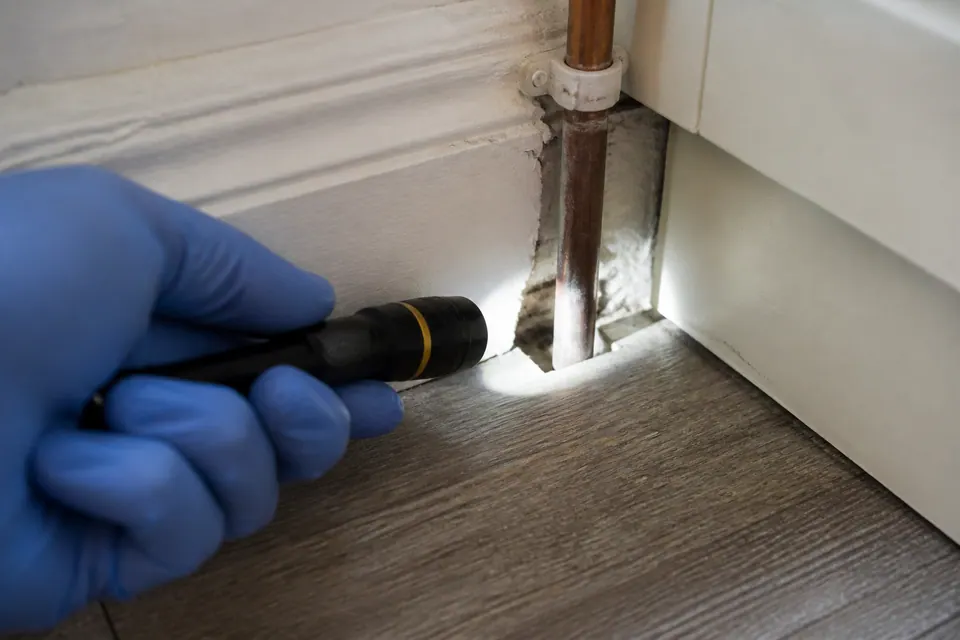
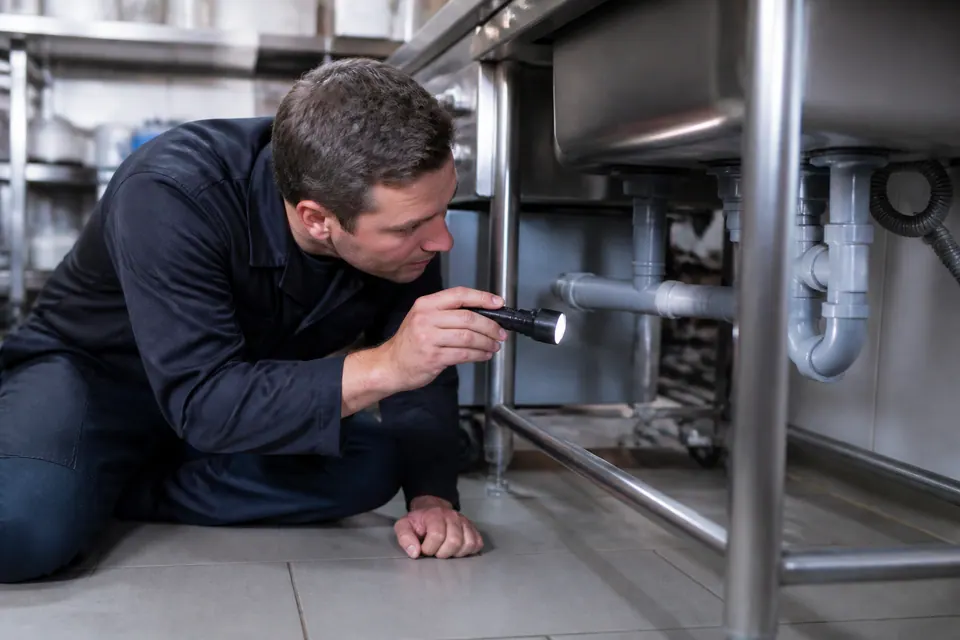
Illustrations explain a service process, not a Barking building case or verified result.
MAKE THE ENQUIRY SPECIFIC
Provide the responsible contact rather than trying to enter a restricted space.
Attribute the account and retain its date without presenting it as your own inspection.
Start with that finding; do not label other homes affected without evidence.
A wider programme needs appropriate authority, access and assessment, not merely an extension of a private booking.
ADDRESS AND AVAILABILITY
Supply the full postcode and flat number with the normal entry arrangement.
Coverage and appointment availability need confirmation. Mention who controls shared facilities if they are relevant to the enquiry.
Open Barking in Google Maps ↗13 / CLEAR EXPECTATIONS
The resident’s finding should retain its room and date.
Knowledge of a facility’s location does not establish permission to enter.
A recommendation is not the same as an accepted communal treatment contract.
BARKING / QUESTIONS
No. Keep the indoor findings and communal observations distinct until an assessment supports a relationship.
Check the responsible management authority. Your private appointment does not automatically grant that permission.
Do not enter restricted areas or disturb waste to obtain images. Describe safely available observations.
Retain its source, location and date so it is not confused with direct evidence from your home.
Only explicitly agreed areas should be expected. Ask for the boundary to be stated clearly.
They can provide useful information, but each first-hand account should remain separately located and attributed.
No. Other dwellings need appropriate authority, access and an agreed scope.
Waste removal should not be assumed part of pest treatment. Any separate task needs clarification.
State that access limitation during the enquiry rather than promising unavailable communal entry.
Give the source, date and exact location, keeping it separate from the flat’s own review record.
15 / TAKE THE NEXT STEP
Check coverage and supply the indoor findings, then identify any communal account and its responsible contact. That keeps the proposed appointment clear and properly authorised.
